Learn more about your pain


Foot massagers: what are they, and what are they like to use day to day?
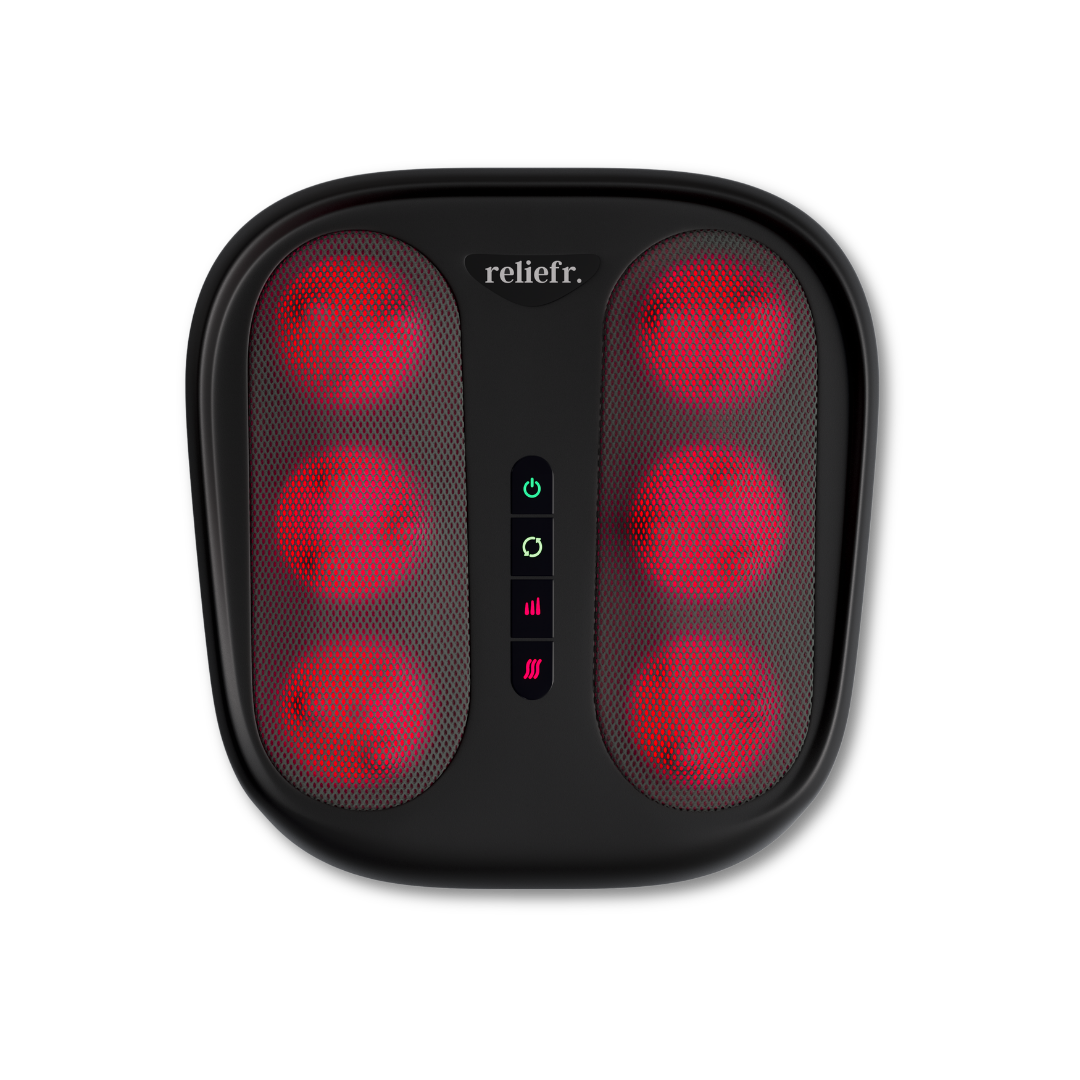
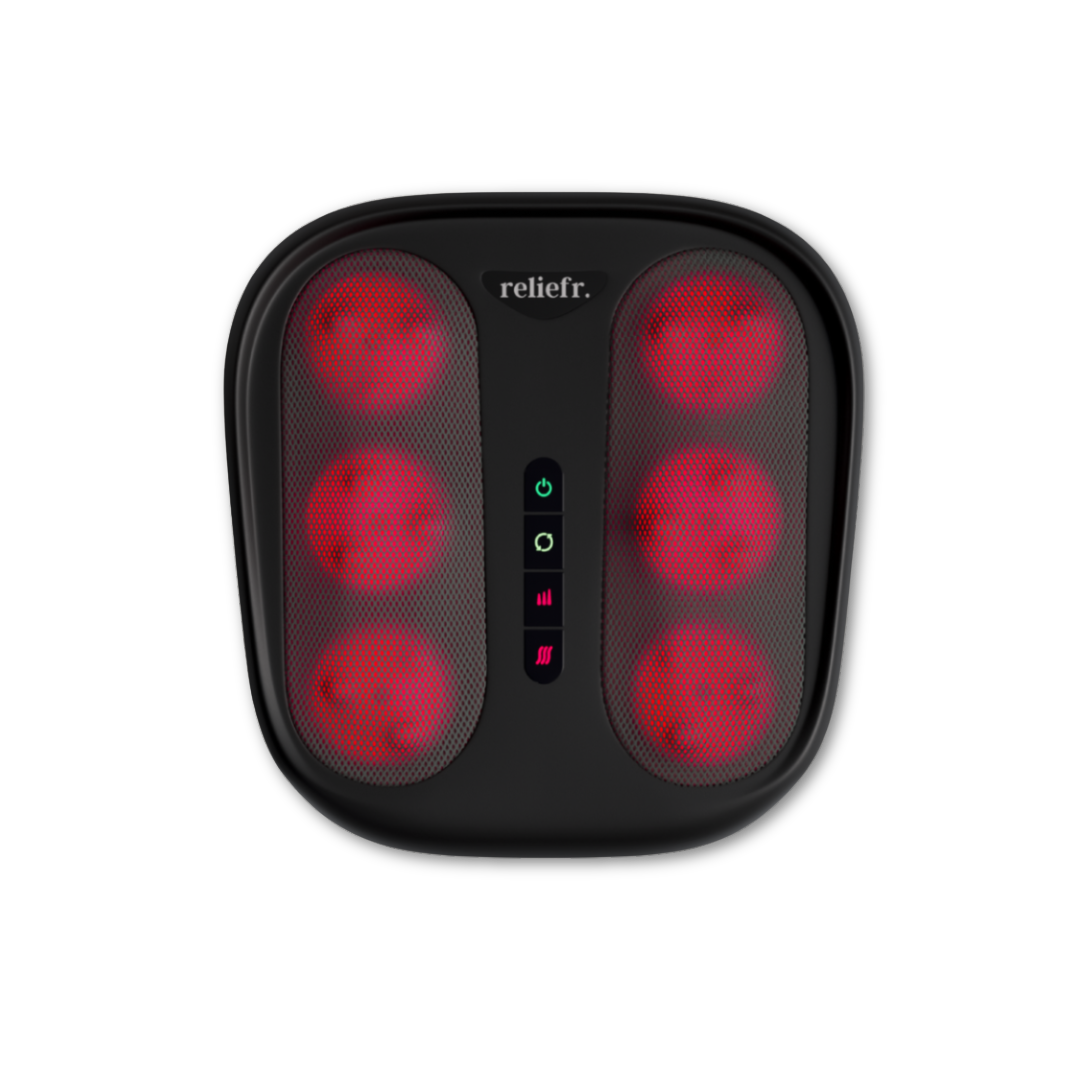
For many people, tired, aching or tense feet are simply part of everyday life, especially after long spells of standing at work, walking on hard surfaces or doing the same movements again and again. The discomfort can show up as a general soreness, tension in the sole of the foot or an overall tiredness that affects how comfortable you feel for the rest of the day. That is why more and more people want to know what a foot massager is and how it is usually used. Once you have a clear picture of how a foot massager fits into daily routines, it becomes easier to describe what you feel and what you can expect from using one.What is a foot massager?A foot massager is designed to stimulate the feet through movement, pressure or vibration. You usually use it sitting down, and it works on areas such as the sole, the heel and the arch. Many people link it with a feeling of relaxation and short-term relief from tension, but the experience varies depending on how much strain your feet have been under and what you personally prefer.A foot massager is often part of a quiet break in the day, when the focus moves from being active to recovering. For some it is a fixed part of their evening routine, while others use it now and then, during periods when their feet work harder than usual.What it typically feels likePeople describe it in different ways, but some of the most common sensations are: A pressing or pulsing feeling in the sole of the foot Short-term relief from tension in the feet and ankles A warm or relaxed feeling afterwards How you react often depends on how tired your feet are, and on how long and how often you use the massager.How a foot massager fits into everyday lifeIn everyday life, people often reach for a foot massager when their feet have been under strain for a long time, for example after work, a long walk or exercise. For others it is simply a quiet break: you sit down and give your feet some attention without putting any more weight on them.Changes in daily routinesUsing a foot massager can change the way you think about breaks and rest. Some people find they notice more during the day how their feet are doing, while others mainly use the massager as a set moment of calm. Over time, it can make you more aware of how your daily activities affect the way your feet feel.How common are foot massagers?Foot massagers are used both by people who sit at work and by people with physically demanding jobs. They are used across all ages and activity levels, and the need often changes over time. Periods with more standing or new routines can make people more interested, while at other times they may use one less often.What can affect the experienceSeveral things can affect how a foot massager feels. How much your feet have already done that day, your shoes, the surfaces you walk on and how long you use the massager can all play a part. Tight calves and ankles can also change how the pressure and movement feel. That is why the experience can differ from one day to the next.How the experience can change over timeThe experience can change over weeks or months. Some people feel the massage clearly in particular areas of the foot, while others feel a more general sense of relaxation. It may feel stronger after a long day and gentler on quieter days. It is normal for it not to feel the same every time.Everyday comfort and reliefA foot massager often goes hand in hand with other habits aimed at comfort and relief. Switching between sitting and standing, choosing the right shoes and taking short breaks during the day can all work well alongside it. Many people also add gentle ankle and toe movements to vary the load on their feet.What to look out for in everyday lifeSmall things you notice day to day can give you a better idea of how your feet respond to a foot massager. It helps to look for patterns that repeat, rather than single occasions.Examples of things to notice The times of day when your feet feel most tired Differences in how your feet feel depending on your shoes How the surfaces you walk on affect tiredness in your feet Whether both feet feel the same Changes in how your feet feel over time Putting these observations together makes it easier to see how your daily habits are connected to the way your feet feel..
Learn more
Heel spur exercises: which work best in everyday life?
Many people get pain under the heel, especially in the morning, and it can quickly make everyday life less comfortable. When it starts, it is natural to look for information online, and many people want to know whether exercises can help ease the pain. Simple exercises you can do at home are getting more and more attention as a way to reduce the discomfort and make everyday life easier. The problem is often caused by overload: repeated strain and tight tendons in the foot lead to pain you can clearly feel, especially after you have been still for a while.When your heel hurts, it can be hard to find the right balance between staying active and resting. The pain can vary during the day, and many people find that simple exercises bring some relief. This article gives an overview of heel spur and how it usually feels in everyday life, where both activity and rest play a part. It looks at the daily challenges many people face when their heel hurts, and at how a few home exercises can be one part of a wider approach to easing the pain.What is heel spur?Heel spur is a condition caused by overloading the plantar fascia under the foot, and it is often linked to repeated strain. It is less about a specific diagnosis and more about how overworked tendons can lead to tenderness and pain. People often notice: Sharp pain around the heel, especially right after resting Lingering discomfort that can make everyday activities less comfortable A feeling of tight tendons, linked to repeated strain The pain differs from person to person and often depends on what you do during the day. Long periods of strain on the foot can make it worse. Many people find that a few simple exercises at home can help ease the symptoms, without big changes to their daily routine. It is a common condition, and it leads many people to look for practical ways to ease the pain and feel better day to day.How does the pain feel in everyday life?Pain under the heel can feel sharp or throbbing and is usually most noticeable after rest. It can vary during the day and make everyday things like walking, climbing stairs or standing for a long time less comfortable. You may also feel it elsewhere in the body, for example in the feet, legs, back, neck or shoulders. That is because when you change the way you walk to compensate, the strain often shifts to other places.What often makes the pain worse?The symptoms are often linked to repeated strain and long periods of pressure on the foot, but also to footwear, the surfaces you walk on and the way you move. Walking on hard, flat surfaces or wearing shoes with poor support can make the pain worse. Tight calf muscles and stiff tendons can put more tension on the plantar fascia, which may be one reason the pain feels stronger after rest or after a long time on your feet.Exercises to ease pain and reduce muscle tensionThere are several kinds of exercises that aim both to ease pain and to release muscle tension around the foot and lower leg. Heel raises involve lifting the heel and then lowering it again in a controlled way, and many people find them helpful when they do the movement slowly and with care. Paying attention to both the lifting and the lowering can have a positive effect on the pain, because it changes how the area is loaded.Stretches that may feel goodStretches for the plantar fascia and calves can reduce the tension that often makes the pain worse. Gently pulling your toes towards your shin, or lowering your heel while standing on a sloping surface, can help you move more freely. Stretching often makes the most noticeable difference after long periods of rest.Strength and mobility in the foot and lower legStrengthening exercises for the ankle and lower leg muscles can change how your foot takes the load in everyday life. Using a resistance band or doing light balance exercises on a soft surface can help spread the load differently and reduce compensation in other parts of the body.Massage and rest breaks alongside exerciseSelf-massage with a small ball, or gently rolling the sole of your foot, can release local tension and give temporary relief. Taking the load off with short breaks from long periods of standing, or switching between sitting and standing, can reduce the strain and make everyday life easier to manage.What to look out for in everyday lifeSeveral things in daily life can affect how heel pain develops over time. Small, repeated movements, your choice of shoes and how varied the strain is can all affect how much discomfort you feel. Some of it shows up as more stiffness in the morning, while some feels like tiredness in the feet that builds up after long periods of standing.Small habits that can make a difference over timeSeveral daily routines and habits are often linked to how the area around the heel reacts. This is not about quick changes, but about patterns over weeks and months. If you work standing up, several short breaks may feel more important than one long one. Other people notice a difference when they change the surface they stand on during the day. Your choice of shoes and how much support they give can affect how the foot is loaded Standing for a long time on hard surfaces often leads to more discomfort Tight lower leg muscles often go hand in hand with more tension in the plantar fascia Changing the way you walk to compensate can shift the strain to other joints Factors that can make a difference over monthsSome factors only become clear when you look at a longer period. How varied your daily activities are, how often you put your feet under heavy strain and repetitive tasks at work can all affect how the pain feels. Stress and sleep can also affect how much discomfort you feel, because rest, recovery and how you feel emotionally are all part of your overall wellbeing.It helps to look at patterns rather than single events. Over time, repeated strain and daily habits usually matter more than one-off episodes. Getting this kind of overview can make it easier to work out which questions to ask yourself or look into further.Below we answer some of the most common questions people have about heel spur and coping with the pain day to day.Frequently asked questionsWhich exercises work best for heel spur?Many people look for exercises, and the ones mentioned most often are stretches and strengthening exercises for the foot and calf. Common methods in online guides focus on controlled movements and building up gradually over time.How long does it take to notice an improvement?It varies, but people often mention anything from several weeks to several months before they see a clear change. Sticking to your daily habits and doing the exercises regularly often affect how quickly things improve.Can massage help with heel spur?Massage is often mentioned as something to use alongside other measures. Many people find it soothing, as it can release local tension and affect circulation in the area. How well it works and how long the effect lasts vary from person to person..
Learn more
Pain in the forefoot when walking: what causes it and what can help?
Many people notice an unpleasant feeling in the front of the foot when they walk. The pain can come on suddenly during a walk in town, or creep into everyday routines at home or at work. Forefoot pain often affects both your pace and your quality of life, as it can make every step feel harder. It can also be worrying, and you may wonder whether your foot has been under too much strain, or whether something has changed in the way you move. This introduction gives an overview of what pain in the forefoot when walking can mean, and why so many people want to understand what lies behind it.What is forefoot pain when walking?Forefoot pain when walking is pain you feel in the front part of the foot as you walk. It can vary in intensity and often feels sharp or stabbing, which can get in the way of ordinary movement during the day. It is often linked to the way the foot is loaded when you walk – on short walks as well as longer distances, where the pressure on the foot gradually builds up.Forefoot pain can be felt in different ways, for example in these situations: When your feet are under strain for long periods When you wear shoes that do not give enough support When you suddenly change the way you walk or your pace Forefoot pain when walking is often linked to how the muscles and other structures of the foot react to repeated strain. It can be a mix of daily activity, changes in the surface you walk on and shoes that do not always follow the natural shape and movement of the foot. Many people look for information because they are unsure whether it is a temporary overload or a sign of a more lasting problem in everyday life.This overview gives you a basic understanding of what forefoot pain when walking involves, and why it keeps coming back for many people. Read on to learn more about how the pain usually starts and how it feels in everyday life.Common causes of forefoot painForefoot pain often comes from changes in strain or in the foot's ability to spread pressure. Being overweight can increase the strain on the forefoot when you walk and lead to more muscle tension in the lower leg. Inherited features in the shape of the foot can make some people more prone to uneven pressure, and weak muscles in the foot and lower leg can make it harder to keep the foot stable as you push off. This is often linked to long-lasting discomfort.Standing at work for long periods and taking many repeated steps change the way the soft tissues of the foot work, which can add to tension in both the foot and the calf. This does not only affect the feet. The body may start to compensate higher up, which changes the way you walk.How the pain usually shows in everyday lifeThe pain can feel different from person to person, but some patterns come up again and again. Some people feel a sharp or stabbing pain when there is pressure on the forefoot, others a more general soreness that gets worse on longer walks. More tension in the muscles around the foot and lower leg can feel like tightness or tiredness when walking. Pain when there is pressure under the toes or as you push off A tired forefoot after long periods of standing or walking Tight calf muscles along with the discomfort How common is the problem in everyday life?Forefoot pain is common among people who stand at work, people who walk long distances every day and people with a higher body weight. Older people may also notice changes in the tissues of the foot that make walking more uncomfortable. That is why many people look for everyday ways to ease pain and tension so they can stay mobile.Everyday movements and situations that can cause painCertain activities and situations in everyday life are often linked to more forefoot pain. Standing at work for long periods, walking on hard surfaces, lots of short walks with frequent changes of direction and carrying heavy bags can all change the strain on the foot. Shoes with a narrow toe area or too little support also change how pressure is spread and can cause more tension in the foot.Different types of forefoot painThe pain can range from sharp, stabbing pain as you push off to a more burning or throbbing soreness after walking for a long time. Some people find that tension in the feet, legs and even the back or shoulders is linked to a change in the way they walk, as the body tries to avoid pain. Telling these patterns apart makes it easier to find the right kind of relief and ways to take the strain off in everyday life.What to keep an eye on in everyday lifeOver the coming weeks, it can help to note how your forefoot feels in different situations, without changing your routines. The pain may change during the day and may feel like extra tension after certain repeated movements. Also notice where in the shoe you feel it, whether it moves between the toes and the middle of the foot, and whether the skin shows changes such as patches of hard skin or redness. How your shoes fit over time and how the material shapes itself Wear patterns on the sole and what they say about how your foot is loaded How often you feel stiffness or tingling at certain times of day Changes in the muscle tension you can feel under your foot or in your lower leg Habits and patterns that can matter over timeSome habits are often linked to gradual changes in the forefoot. Repeating the same movements, constant strain on the same part of the foot and always wearing the same kind of shoes can affect how tissues and joints adapt. Small changes in the way you walk, which usually go unnoticed, can also shift where the pressure lands over time and be felt as different kinds of discomfort.Gradual changes in the shape of the foot often show when familiar shoes start to feel different, or when the foot reacts differently after long periods of strain. These patterns can affect how the pain develops over the months.Massage and relief in everyday lifeMassage can be a way to ease tension in soft tissue and give temporary relief to tight muscles. In everyday life, paying regular attention to muscle tension and taking the strain off specific areas is often linked to changes in how you move and how you feel. At Reliefr, massage is often described as something that makes the foot feel more flexible and changes how the strain feels when you walk afterwards.Frequently asked questionsCan massage help with forefoot pain?Massage can be a way to ease local tension and increase blood flow in soft tissue, which many people describe as feeling more comfortable. The effect is often short-lived and depends on how firm the massage is and which areas are massaged.How can I make sense of changes in my foot over time?Changes may show as a wider forefoot, toes shifting position or hard skin appearing in new places. Such changes are often linked to long-term patterns of strain and can affect how your existing shoes feel.How quickly can pain when walking change?Pain can vary from hour to hour depending on activity and tiredness, but some patterns develop over weeks or months. It is normal for the pain to vary in strength and in how often it comes, and this can tell you which everyday factors play a part..
Learn more
Foot massager on offer: what should you look for?
Many people find that their feet feel tired and sore after a long day at work or doing everyday jobs. Often this leaves a general discomfort that makes it harder to relax in the evening. Our feet carry us through long hours of standing, walking and strain, and that can leave them feeling stiff and tired. That is why many people look for information on how a good massager can ease these symptoms and help them feel better. Looking for a foot massager on offer usually means you want an affordable way to make everyday life a little easier, with relief on busy days and after a long day. If you want both pain relief and good value for money, a foot massager is an obvious choice for getting the most out of your time to relax. Most people pay close attention to features such as heat, vibration, shiatsu massage and air compression, because together they can leave your feet feeling refreshed and release the tension that builds up in them. You can see this interest in the many offers on the market, where price often matters just as much as how well the massager brings the relief you are looking for.What is a foot massager?A foot massager is a device made to massage your feet and ease soreness and tiredness. Many models have features that can stimulate blood circulation and relieve the uncomfortable feeling that often comes after many hours of strain. Several techniques can be combined in one device, so you can adjust the massage to your own needs. Some of the most common features are: Heat – gives a gentle warmth that can help loosen tension in the muscles. Vibration – a technique that often feels soothing and can help boost blood circulation. Shiatsu massage – inspired by traditional techniques that focus on pressure points in the foot. Air compression – uses air pressure to give a firm, intense massage that can ease tiredness. It is the combination of these features that makes a foot massager so popular with people looking for pain relief and relaxation. Many people know how good a foot massage feels after a long day, and looking for a good foot massager on offer simply means wanting one that works well and is affordable. Seeing it this way also gives you an overview of the wide range of options on the market.How does a foot massager work?Foot massagers combine several movement and pressure techniques to bring relief. Rollers work along the foot and can give direct relief to the arch and heel. Shiatsu-style nodes press on specific points and can feel like targeted relaxation for the muscles. Air compression gives a pulsing pressure around the instep and the front of the foot, a gentle squeeze that can help release tension. Vibration creates movement in the tissue and can ease the feeling of stiffness. The heat function adds gentle warmth, which often plays a big part in feeling more relaxed and getting pain relief in the area being massaged.How the need shows up in everyday lifeDiscomfort in the feet often shows up as tiredness, soreness or stiffness after a working day or long spells of walking and standing. It is often linked to tension in the legs, back, neck and shoulders, because it affects your posture and the way you walk. Many people find that the symptoms are worse in the evening and make it harder to relax. At times like these, a foot massager can give an immediate sense of well-being and temporary pain relief.Which features affect pain relief?Each feature affects how much relief you feel in its own way. Heat can help you relax and make the muscles more supple, which many people find more comfortable. Adjustable intensity lets you go from a gentle massage to firmer pressure, so you can set it the way you like it. When rollers are combined with air compression or vibration, the relief can feel more complete, because several kinds of massage work at the same time.Practical things that make a difference Size and fit decide whether the massage reaches the right areas of your foot. Being able to adjust the intensity makes it easier to adapt the massage to soreness and muscle tension. The material and lining can matter for comfort when you use it for longer. What can affect your choice?Your choice depends on how often you will use the massager, how strong you want the massage to be and where in your body you would like to feel the effect. Think about whether your focus is mainly on your feet, or whether you would also like relief that spreads to your legs, back and shoulders. Heat and several types of massage can be important if you are looking for deeper pain relief and more well-being in everyday life.Everyday things to keep in mindIn everyday life, small things that come up again and again often affect how much relief and well-being you get. Noise from the massager, for example, can affect how natural it feels to use it in the living room or at the office, and where you keep it at home makes a difference to how easy it is to reach. Using it often can feel different depending on your other daily habits, such as how much you stand or walk during the day. These things often decide whether the massager becomes a regular part of your routine or only comes out now and then.Habits and how they matter over timeRepeated movements at work or at home can mean your feet and calves need relief more on some days than others. Long-standing habits around the shoes you wear, how long you stand and how you switch between busy and quiet periods can affect how and when you feel the need for a massage. Over time, these patterns can make some features of a massager more useful to you, while you use others less.Practical points at home Storage space can affect how often you use the massager. The noise level, with others in the household around, can make it more or less comfortable to use. The time of day you use it can affect how relaxing it feels. Materials and the outer finish can feel more or less pleasant over longer periods, so they are worth noting when you compare models. For some people, a durable, solid build is what gives them the confidence to use the massager regularly.At Reliefr, customers often ask us how a massager fits into their daily rhythm and what changes over time. Keeping these things in mind can give you a more rounded picture than looking only at individual features. Below you will find answers to common questions about choosing and using a foot massager.Frequently asked questionsDoes the noise level matter if I use it in a shared room?Noise can be disturbing in shared rooms, and in practice it affects how often the massager gets used in everyday life.How do the shoes I wear every day affect my need for massage?The shoes you wear affect how your feet take the strain, so changing shoes can change when you feel the need for a massage and how strong you want it to be.Does the size of the massager matter for storage in a small home?Size and shape affect how easy it is to find a place for the massager or put it away, which in turn can decide whether it becomes a regular part of everyday life.Can regular use change what you expect from a massager?Yes. Over time, your expectations can change as your habits and needs develop, and some features may become more or less important to you..
Learn more
Heel pain: what causes it and how can you ease it?
Many people have heel pain, whether it comes on suddenly or lingers for a long time. It can affect everyday life and make simple things like walking and running harder. Heel pain often appears after a period of hard activity, but it can also build up when the heel has been under the same strain again and again over time. Whether the pain comes and goes or stays, it can be worrying and make everyday movement more awkward. Knowing what heel pain involves makes it easier to understand how the strains of daily life can show up as pain in the heel.The pain can range from mild soreness to a distinct, sharp feeling that gets worse when you put weight on the foot. Many people read up on this because they want to know why their heel hurts and what might be behind it. With a clearer picture of heel pain, it is easier to judge whether changes to your daily habits, such as your choice of shoes or how you spread out your activities, could help ease the discomfort.What is heel pain?Heel pain is pain felt in and around the heel, and it can have a number of different causes. It often comes as a reaction to strain and can appear when tissue such as the plantar fascia is put under too much stress or overloaded. Heel pain can feel different from person to person, for example: Mild soreness at rest that gets worse when you move Sharp, cutting pain when you put weight on the foot, for example when walking or running A feeling of stiffness, especially in the morning For many people, heel pain can be traced back to repeated strain or small imbalances in the way the foot is built. The pain can be seen as a sign that your feet need a little more care and perhaps some changes in your daily routine. If you have this discomfort, it may be reassuring to know that heel pain is often linked to physical strain that varies from day to day and can be eased by adjusting your daily activities.Heel pain often starts as a mild, nagging feeling which, if the strain continues, can gradually turn into a sharper, more persistent pain. Knowing the typical signs makes it easier to judge whether your habits need to change, so your feet get the rest and support they need in daily life.Common causesHeel pain is often linked to repeated strain on the tissue under and around the heel. Over time, this strain can cause small irritations in the soft tissue, and differences in the way the foot is built and moves can make some areas more vulnerable. Being overweight, a sudden increase in activity, hard surfaces and shoes without enough support are often connected with extra strain on the heel. Tight calf muscles and changes in the way you move can also shift the load, so that some parts of the foot take more pressure than others.How does heel pain feel?Symptoms vary from person to person. Many people feel sharp pain or marked soreness with their first steps in the morning or after resting for a while, while others notice soreness that builds up after standing or walking for a long time. The pain may sit in one clear spot under the heel, or be more spread out and felt across the whole sole. There may also be stiffness, less movement in the ankle and tension in the calf, which can often feel like tight muscles in the leg.How common is heel pain?Heel pain is a common everyday complaint, seen both in people who play sport and in those who stand at work. People of all ages may have trouble with their heels at some point, but it is especially common among those who walk a lot, run often or change how active they are quickly. Many people say their heel pain started after a single period of extra activity or longer working days.Everyday factors that can affect the painDaily habits have a big influence on how heel pain feels. Standing for long hours on hard floors can make the discomfort worse, and so can long walks in shoes without proper support. Changes in how active you are, poorly supportive shoes and changes in weight can all alter the strain on the heel. Tension in the back, neck and shoulders may seem far removed, but poor posture and general tiredness can change the way you walk and so affect your legs and feet.Pain that variesSome people feel a sudden sharp pain after a single strain, while others notice soreness that slowly builds over weeks. The pain can be sharp, throbbing or more like stiffness. It can change with activity and time of day, and it often shifts with the demands of daily life.Paying attention in daily lifeWhen your heel hurts, small observations in daily life can tell you a lot. Notice when the pain comes and how it changes during the day. Some people mainly feel it with their first steps in the morning, others when they stand for a long time. For some it is a pain in one clear spot, while others describe a more general soreness under the foot. Patterns like these can give you an idea of which daily situations play a part.Habits that matter over timeSeveral daily habits are often linked to how heel pain develops over time. How often your feet are under strain, the shoes you choose and the surfaces you walk on can all make a difference. Repeated movements and periods of extra activity can also change how the pain shows itself. Small changes to your routine often shift the strain on your feet gradually. Your choice of shoes and how much support they give can affect how the load is spread Long periods of standing work or hard floors often lead to more discomfort Frequent changes in how active you are can make the pain stronger on some days and milder on others Easing the load and massage in everyday lifeMany people make easing the load and massage part of their everyday routine, for their wellbeing and to ease pain. Massage can feel soothing, and some people find it helps them relax and improves circulation in the area. Easing the load, for example by changing how you stand or taking frequent breaks, is often mentioned when people describe how they reduce discomfort day to day. These are personal choices, and what works differs from person to person.Finally, it can help to look at patterns rather than single episodes. Below you will find answers to some of the questions people ask most often about heel pain.Frequently asked questionsHow quickly can heel pain change?Pain can change from day to day or over longer periods. How active you are, how much you rest and your daily habits can all affect how it develops, so the strength and frequency of the pain can vary over weeks and months.What can I expect from massage for heel pain?Massage can bring temporary relief and often leads to greater relaxation and a feeling of warmth in the area. The effect varies from person to person and depends on how you use massage in your daily routine.When does occasional pain become more persistent?Pain is often described as more persistent when it comes more often, gets stronger or spreads to nearby areas. Changes in daily habits can play a part in this..
Learn more
Tired legs: what causes them, and how can you ease them?
Many people find that their legs grow tired and feel heavy as the day goes on. It is a common feeling, and it can make both everyday tasks and exercise harder. Tired legs can come on after long hours at work, after sitting still for a long time, or after physical activity that has pushed you too hard. It helps to understand what usually lies behind the heavy feeling, because knowing why your legs react the way they do can be reassuring. You often notice it after a long day, and it can make moving about less comfortable. That is why many people look for knowledge and practical advice on how to deal with tired legs in everyday life.Heavy legs are not unusual, and the feeling can show up in different ways. Sometimes it comes with slight soreness in the muscles. At other times it feels more like general tiredness with no clear cause. It is often linked to long periods of strain on the leg muscles, from working on your feet, long walks or spells with very little movement, which make it harder for the body to keep the blood circulating well. Everyone experiences it differently, and it is quite common to go through periods of both some discomfort and a natural tiredness that can affect your mood and energy.What are tired legs?“Tired legs” describes a state where your legs feel heavy and uncomfortable. Typical signs include: A feeling that your legs are overworked and heavy Slight soreness in the leg muscles that you notice when you put extra strain on them General tiredness, especially after being active for a long time or working sitting down Tired legs are often tied to the demands of everyday life. Many people find that busy periods are followed by a need to recover. Most notice that their legs feel heavier in the evening or after long stretches of standing or sitting at work. It is a topic many people care about because it affects daily life and can turn even an everyday walk into a challenge. Knowing that tired legs are a natural reaction to physical strain and too little movement makes it easier to take the right steps, and to know you are not alone with the problem.How tired legs feelTired legs often show up as a lasting heaviness in the lower legs, but they can also bring soreness and muscle tension. You may notice it when walking normally, when standing for a long time or after physical activity, and it can range from mild discomfort to a marked feeling of tiredness. The feeling can also go hand in hand with tension in the back, neck and shoulders, and some people notice that their feet feel more tired at the same time.How common tired legs areTired legs are a common everyday complaint and are seen in many age groups. They tend to become more frequent with longer working days, desk work or repeated strain, and many people notice a clear difference between how their legs feel in the evening and in the morning. How often it happens also depends on how active you are and on your daily habits.Everyday factors that can affect tired legsSeveral things in daily life can affect when and how often the tiredness appears. Standing or sitting for long periods at work is often linked to heavy legs, and shoes without enough support can add to the strain. Changing working positions, how you spread your weight when working on your feet and how often you take short breaks can all affect how the muscles and blood flow in your legs respond. General tiredness in the body can also make discomfort in the legs and feet feel worse.How the tiredness can varyThere is a clear difference between tired legs after physical activity and tired legs after long periods of inactivity. After physical strain, the symptoms often appear as local soreness and muscle tension, whereas inactivity more often brings a vague feeling of heaviness and stiffness. The time of day and how long the strain lasts affect whether the discomfort passes quickly or lingers. Some people find their symptoms vary from day to day, while others have a more constant feeling, depending on their routines and workload.Pain relief, muscle tension and easing the loadTired legs often go hand in hand with increased muscle tension and a need to take the load off, so that you can feel well in everyday life again. Pain relief, in the broad sense, is about reducing tension and making the legs, feet and nearby areas such as the back and shoulders more comfortable. During periods of ongoing strain, easing the load may be needed to reduce everyday discomfort and keep your energy up through the day.What to look out for in everyday lifeIn daily life, certain habits and surroundings often turn out to affect how your legs feel over time. Long periods in the same working position, repeated movements and the kind of shoes you wear are often linked to heavy or tired legs. At the same time, general tiredness and how well you sleep can colour how your legs feel during the day. Working positions with long periods of standing or sitting Shoes without support, or shoes that load your feet unevenly How often you take short breaks from the same movements Strain that varies from day to day Your job and daily strainThe work you do, or your regular daily tasks, can gradually affect how your legs feel. Over time, many people find that repeated strain from particular movements or long periods of standing changes how comfortable their legs and feet feel. How hard the floor is and how many hours on average you spend in one position are factors often mentioned when the condition changes.Long-term patterns that may matterSome things develop slowly and can affect how your legs feel over several weeks or months. Persistent uneven loading when you walk, or worn-out shoes, can play a part, for example. Other things, such as everyday tiredness and changing energy levels, can affect the symptoms and make them more noticeable at times.Notice signs of changeIt is useful to watch for patterns in your symptoms without jumping to conclusions. Signs such as discomfort getting worse in the evening, changes in how sluggish your legs feel, or the heaviness spreading differently can show that your everyday patterns have changed. These observations naturally lead to questions that people with tired legs often ask.Frequently asked questionsWhat are common causes of tired legs?A combination of sitting still for long periods, standing for a long time and repeating the same movements every day is often mentioned as a cause of tired legs. For some people, shoes and the surface they stand or walk on also play a part.Can daily habits affect how the symptoms develop over time?Yes. Repeated patterns in everyday life can change how your legs feel from day to day. How long the strain lasts, changes in your working rhythm and ups and downs in general tiredness can all be linked to how the symptoms vary.When are changes in symptoms worth noticing?When the intensity or spread of the discomfort changes in a new way, or when your symptoms are clearly different from what you are used to, many people take note and look for answers..
Learn more
Foot roller: How does it work, and who benefits from it?
Many people have sore, tired feet after a long day, and it is natural to look for a simple way to ease the discomfort. When your feet have been under strain for a long time, they can feel stiff and tense, and that affects how comfortable you are from day to day. A foot roller is one of the most popular ways to ease this kind of discomfort. Many people choose one when they want a simple, effective way to massage their feet at home. You can use it while you relax in front of the TV or as part of your daily self-care, which is why it has become a natural part of many people's routine.Using a foot roller can give you a greater sense of well-being. Many people say that the light pressure and movement of the roller help to loosen tension and leave their feet feeling pleasantly relaxed. That feeling of comfort and better circulation is often why people choose a foot roller. It is also easy to use and needs no special skills, so it suits anyone who wants quick relief after a busy day. Simple and easy to use Can ease soreness and tiredness Improves blood circulation in the feet Even though many people use foot rollers, it helps to know a little about what one is and how it can affect the way your feet feel. Massaging your own feet like this has become popular precisely because it offers quick, easy relief from everyday aches. Many people find that a simple massage with a foot roller brings immediate relief and fresh energy to their feet after a hard day, and helps them feel relaxed and well.What is a foot roller?A foot roller is a massage tool used to stimulate the reflex zones of the feet and loosen tension. When you roll your foot over the roller, you get a light, targeted massage that can help improve blood circulation and ease soreness. Many people find it a practical way to reduce the discomfort that comes with an active life, when the feet are under strain for long periods. This simple way of massaging gives an immediate feeling of relaxation that many people value in their daily routine.How does a foot roller work?A foot roller works by combining pressure and movement against the underside of the foot. As you roll it back and forth, the pressure can loosen tense muscles and tight connective tissue, which often shows as better mobility and less stiffness. The movement can also increase blood flow in the area, and many people feel a warm, relaxing sensation in their feet after just a short while. Stimulating the reflex zones on the sole can make the feet feel calmer and less restless, especially after long periods of standing or walking at work.How do foot pain and tension show in everyday life?Discomfort in the feet can show in several ways: soreness under the sole, stiffness in the front of the foot or the heel, tired legs, and spells of cold feet or feet that go to sleep. These problems are often linked to long hours of standing at work or a lot of walking during the day. Strain in the feet can also affect the legs, back, neck and shoulders, because the body tries to make up for it through posture and the way you walk, which can lead to more tension elsewhere.What affects how well a foot roller works?The effect depends on a few simple things: how hard you press, how long you roll and how you place your foot on the roller. Lighter pressure can feel pleasant and relaxing, while firmer pressure can be felt deeper in the muscles and connective tissue. The texture of the surface and the hardness of the roller decide whether the massage feels gentle or more intense. Your shoes, whether you walk on hard or soft ground and how active you are during the day can also affect how quickly you notice a difference.Different designs and how they feelFoot rollers come in different forms: smooth rollers, rollers with ridges or spiky surfaces, and small balls for working on specific spots. They range from soft to very firm, and the material decides how much the roller gives under pressure. A textured surface gives a more targeted massage, while a smooth roller spreads the pressure evenly and often feels gentler. Smaller rollers can focus on the toes and the edges of the foot, while longer rollers cover the whole sole.How common are foot rollers in everyday life?The foot roller has become a common sight in many homes. People use it while relaxing in front of the TV, during breaks at work or as part of their evening routine. Because it is simple to use and needs no other equipment, it is a popular choice for anyone who wants quick relief and more comfortable feet after a busy day.Signals from your body in everyday lifePain and discomfort in the feet can show up as small changes in your day. You may notice more stiffness in the morning, need to change position more often, or tend to favour one foot. These signals are often linked to daily habits and strain, and they can be stronger some weeks than others. Paying attention to when and how the discomfort appears gives you a clearer picture of what changes over time.Habits and circumstances that can make a difference over timeSome everyday circumstances slowly affect the state of your feet. Standing for long periods day after day, walking a lot on hard surfaces and always straining the feet in the same way can all have an effect over months. Daily routines such as sitting for long periods, often wearing tight shoes or frequent changes in temperature can also affect how your feet feel. How much these things matter can vary with age, activity level and daily habits. A mix of standing and sitting work Regular walking on uneven or hard ground Strain on the feet that changes a lot from day to day Comfort: a few things to considerWhen it comes to comfort with foot massage tools, several things play a part. The firmness and texture of the surface feel different from person to person, and skin can react differently to different materials. How long you use the roller, and at what time of day, can also affect how it feels. Being aware of these things gives you a better sense of what works for you in everyday life.Frequently asked questionsWhich type of foot roller is best for plantar fasciitis?The right type often depends on how targeted you want the massage to be and how pressure feels on your skin. Rollers with a small, pronounced texture can feel more focused, while smooth surfaces usually spread the pressure more evenly. Many people look for a balance between firmness and comfort, and personal preference plays a big part.Can I use a foot roller every day?Many people use one every day, but the effect varies from person to person. Some feel better with frequent use, while others notice that sensitivity or soreness changes over time. So it is a good idea to listen to your body and go by what feels comfortable.How do I choose the right foot roller?Choosing a foot roller depends on things like the kind of massage you want, the material and where you will use it during your day. Think about how different surfaces feel against your skin and which size suits the way you will use it. Your personal preferences and daily habits make a big difference to the experience..
Learn more
Heel spur treatment: what works best in everyday life?
Many people have pain in the heel, and it can make everyday life harder. It often shows up when you start moving and after you have been resting for a while. That is why many look for effective, non-invasive ways to ease the pain and make daily life more comfortable. With busy days and plenty of physical strain, more and more people want simple, practical ways to reduce heel spur pain. You often hear that small changes to daily routines, combined with the right treatment methods, can make a real difference. Heel spur pain can feel stubborn and get in the way, so the focus is often on methods that can bring quick relief without any invasive procedures.For some, the pain blends into a general feeling of discomfort that affects both how easily they move and their quality of life. Everyday strain, like walking, standing or simply being on the go all day, can turn it into a lasting problem. That is why many turn to treatments that ease the pain where it is and also make everyday life more comfortable and easier to manage. These include massage and various tailored exercises, all aimed at making the foot feel freer.What is heel spur treatment?Heel spur treatment covers a range of approaches that aim to reduce the pain heel spurs cause and so make everyday life easier. The methods are usually non-invasive and focus on easing pain and improving blood circulation. Common approaches include: Massage, which eases tension and increases blood flow in the foot Gentle, tailored exercises, which can strengthen the muscles of the foot and improve mobility Ice or heat, which can help ease the discomfort Many people find these methods help them cope with the daily challenges of heel spur pain. That is why it is worth looking at how simple changes in everyday life can be combined with treatment to make the heel feel better balanced. It also gives you a clear and reassuring picture of what heel spur treatment involves and how it can work as a practical solution in daily life.What does it feel like?Heel pain can show up in several ways. Many people feel a sharp or stabbing pain with their first steps in the morning, while others notice more of a throbbing pain after standing or walking for a long time. The connective tissue around the heel may also feel loose or tight, which can make moving less comfortable. The pain can vary in strength through the day and change depending on how active you are and how much you rest.How often does it affect everyday life?Heel pain is common and can affect short walks, jobs where you stand a lot, and everyday chores. For many, the pain holds them back. It slows them down and makes them less willing to move freely, which can change the way they walk and the activities they choose. The symptoms often come back with repeated strain or when there is not enough time to recover between activities.What affects how strong the pain is?Several things often play a part in how the pain feels and how strong it is. Your shoes and the surfaces you walk on can change the strain on the heel. Your weight and how active you are can affect the pressure on the structures of the foot, and long periods of standing or a sudden increase in activity can make the discomfort worse. Tension in the surrounding muscles can also make movement less smooth and so add to the strain on the heel.Muscle tension in other areasTension often builds up in familiar places such as the back, neck, shoulders, legs and feet. When the muscles in your calf or hip are tight, the way you walk can change, and you often feel this in the heel. Over time, muscles that stay tense can leave you feeling stiff and make it harder to get relief straight after resting.How massage helpsMassage is a common way to ease pain and relax. It increases blood flow where you massage, which can make the tissue more supple and reduce muscle tension. It can also release endorphins, which can make pain feel milder. Different kinds of massage, from gentle strokes to deeper pressure on trigger points, can help loosen tight muscles around the heel and in the areas nearby.Used regularly as part of your daily routine, massage can help reduce stiffness, improve mobility and make the foot and lower leg feel more comfortable.What to look out for in everyday lifeSeveral things in daily life can affect how heel spur pain feels over time. Small changes in how you move, repeated strain and the shoes you wear can each make a difference to how the pain feels from one day to the next. Noticing these patterns can help you understand which situations tend to cause more discomfort.Part of this is paying attention to how your foot feels in different situations. Stiffness in the morning, more soreness after standing for a long time, or pain that changes on different surfaces are signs that often come back. Over time, an uneven way of walking or other muscles taking over can shift the strain and change how the heel feels.Habits and circumstances that can matter over timeSome habits are often linked to changes in the pain. Standing for long periods at work, frequent short walks on hard surfaces or always wearing worn-out shoes can all change the daily strain on your feet. Noticing how your foot reacts to different everyday activities can help you spot patterns. The point is to understand them, not to pick out one particular solution. Different surfaces can make the pain feel different from day to day Regular massage can be a way to reduce stiffness in the foot and calf A change in the type of activity can change the strain, which you often feel in the heel It can also help to notice how you recover after activity. Some people find that a short rest brings temporary relief, while others find that the stiffness comes back with repeated strain. At Reliefr, we often stress the value of noticing patterns rather than looking for quick fixes.Frequently asked questionsHow can you prevent heel spurs?Prevention is often about paying attention to your daily habits and choices. That includes varying your activities, keeping an eye on how worn your shoes are and how the strain is spread across your day. In practice, it can mean changing how and when your feet take the strain.Can massage on its own relieve heel spurs effectively?Many people find massage an important way to ease pain and relax the area, but results vary. For some, it becomes part of a routine that brings relief, while others find the effect is only temporary.How long does it take to recover from heel spurs?It varies a lot from person to person. Things like repeated strain, your daily habits and how quickly you notice changes in your routine can all affect how the symptoms develop over time..
Learn more
Heel pain: common causes and how to relieve it
Many people have heel pain at some point in their lives, and it can be hard to deal with when everyday life is busy. The pain is often described as stabbing and is usually worst in the morning or after a long time on your feet. Discomfort in the heel can make daily activities less pleasant and leave you feeling unsure of yourself when your feet have to carry you through walking and standing. It's natural to look for information about what the pain involves and how best to find relief in everyday life.Heel pain can be a real burden, affecting both how you move and how your legs feel in general. Many people find it helpful to learn which factors may be linked to the pain, so they can make informed choices about rest and care. Often it comes down to understanding how everyday activities and your choice of footwear affect the comfort and stability of your heel.What is heel pain?Heel pain is a very common problem. It can feel like a sharp or throbbing pain under the heel. It is often worst when you get up in the morning or after sitting still for a while, and it can get stronger if you are on your feet for a long time. Many people also describe a tenderness that keeps reminding them how sensitive the heel is.How heel pain feels from day to day varies. Some people feel an uncomfortable tightness, while others have a sharper pain that makes it unpleasant to walk or stand for long. Typical symptoms can include: Stabbing or throbbing pain under the heel Discomfort, especially after resting or sitting still Symptoms that get worse when you are on your feet for a long time Many people look for ways to get temporary relief in daily life, and there is a lot of interest in simple steps that can ease the pain and help you feel better. A calm, well-informed approach to heel pain can help bring more balance to your everyday life. Once you understand what heel pain involves, it becomes easier to make choices that make your days more comfortable.What does heel pain feel like?Heel pain often shows up as a sharp or stabbing feeling under the back of the foot, and it can feel different from one person to the next. Typical descriptions include tenderness with the first steps in the morning, pain that gets worse after a long time standing or walking, and a feeling of tightness in the foot. Besides the heel itself, you may feel tension in the calf, under the foot and sometimes all the way up to the knee or hip. That is why it makes sense to see heel pain as part of the whole chain of movement.How common is heel pain in everyday life?Heel pain is common in people of all activity levels. It may be temporary and come during periods of extra strain, or it may keep coming back over a longer time and affect both walks and tasks you do standing up. For many, it starts to shape which shoes they choose, how far they walk or how they plan their day to keep discomfort down.Factors that can affect the painSeveral things in everyday life are often linked to how and when heel pain appears. Shoes without enough support, hard floors when you stand for long periods and movements repeated again and again can make the pain worse. Tension in the muscles of the calf, lower leg and foot can also affect how the heel feels, and changes in how active you are can make the pain appear more often or more strongly.How the pain and its duration varyHeel pain can vary a great deal. Some people feel a short, sharp pain when they put weight on the foot, while others have a more throbbing or lasting tenderness. It may last a few days after an unusually demanding time, or go on for weeks, coming back with certain activities. The intensity can change through the day and is often strongest after resting or after repeated strain.Easing the pain in everyday lifeMany people look for ways to ease the pain and take the load off their heels in everyday life rather than permanent procedures. Common approaches are about reducing the strain on the heel, easing muscle tension in the foot, calf and leg, and making everyday movement more comfortable. Massage, gentle work on tense muscles and using support in your shoes for a while are examples of things that can give temporary relief and make daily activities easier.Paying attention to your heels day to daySeveral things in your daily routine can affect how heel pain develops over time. Small changes in how you move, the condition of your shoes and how long you stand can all show up as changes in how much it hurts. Noticing how the discomfort appears in different situations gives you a clearer picture of patterns and triggers.Habits and patterns that may play a partSome habits are often linked to long-term strain on the heel. Putting too much one-sided strain on your feet, repeated short bursts of strain without rest in between and changes in your daily routine can gradually affect the condition. The age of your shoes and the way they have worn can also change how your foot takes the load. Worn soles can change the load on your foot and lead to more discomfort Some people feel tender after repeated short periods of strain Switching between soft and hard surfaces can affect how the pain feels Tension in the surrounding muscles can spread a feeling of stiffness or tenderness Changes over the longer termOver time, small but constant strains can change the nature of heel symptoms. For example, pain that at first only came briefly under strain may slowly last longer or appear with other movements. Heel discomfort is also often linked to tension in the lower leg or changes in the way you walk, which lead to uneven strain.Calmly paying attention to these patterns can help you see which parts of daily life are linked to the discomfort. Our aim is to help you understand how ordinary habits and repeated strain can affect how your feet feel, so you can better make sense of your own experience.Frequently asked questionsHow can I relieve heel pain?People often look for relief through rest, massage and gentle work on tense muscles. Many find that gentle massage around the heel and calf can change how the pain feels and ease the discomfort for a while.What are the most common causes of heel pain?The most common causes are often linked to repeated strain or changes in how the foot is loaded. Conditions involving the plantar fascia and structural changes around the tendons of the heel are often mentioned when symptoms are described.How can I prevent heel pain?Prevention is often discussed in terms of choosing the right shoes, varying the strain on your feet and paying attention to daily habits. Being aware of these things can affect how your heels respond over time.When is heel pain out of the ordinary?Pain that changes in character, comes on suddenly and makes it harder to use the foot, or comes with marked swelling or numbness can be a sign that things are not following the usual course. Such changes are different from the more common patterns, where the pain tends to vary in intensity through the day..
Learn more