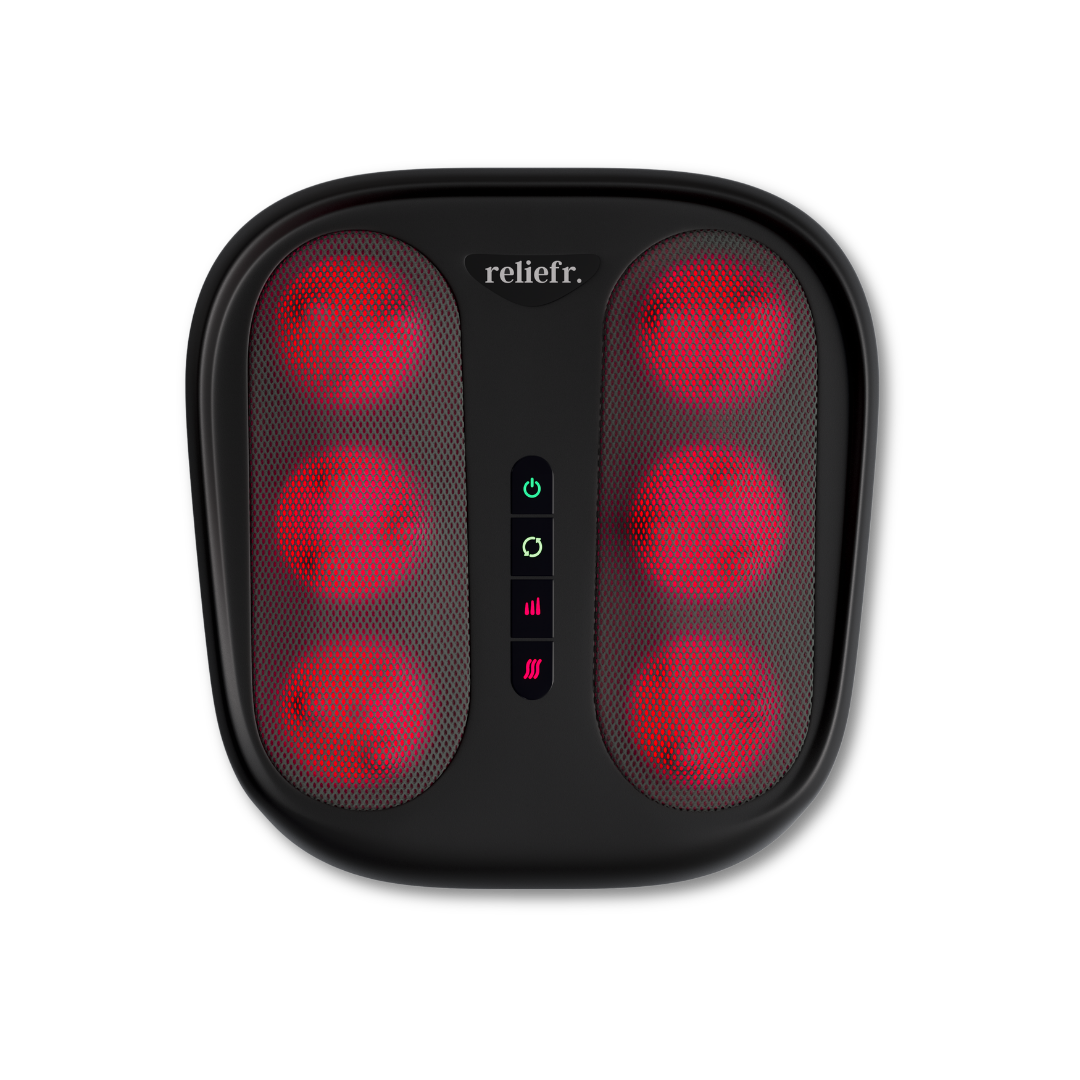
Many people have pain in the heel, and it can make everyday life harder. It often shows up when you start moving and after you have been resting for a while. That is why many look for effective, non-invasive ways to ease the pain and make daily life more comfortable. With busy days and plenty of physical strain, more and more people want simple, practical ways to reduce heel spur pain. You often hear that small changes to daily routines, combined with the right treatment methods, can make a real difference. Heel spur pain can feel stubborn and get in the way, so the focus is often on methods that can bring quick relief without any invasive procedures.
For some, the pain blends into a general feeling of discomfort that affects both how easily they move and their quality of life. Everyday strain, like walking, standing or simply being on the go all day, can turn it into a lasting problem. That is why many turn to treatments that ease the pain where it is and also make everyday life more comfortable and easier to manage. These include massage and various tailored exercises, all aimed at making the foot feel freer.
What is heel spur treatment?
Heel spur treatment covers a range of approaches that aim to reduce the pain heel spurs cause and so make everyday life easier. The methods are usually non-invasive and focus on easing pain and improving blood circulation. Common approaches include:
- Massage, which eases tension and increases blood flow in the foot
- Gentle, tailored exercises, which can strengthen the muscles of the foot and improve mobility
- Ice or heat, which can help ease the discomfort
Many people find these methods help them cope with the daily challenges of heel spur pain. That is why it is worth looking at how simple changes in everyday life can be combined with treatment to make the heel feel better balanced. It also gives you a clear and reassuring picture of what heel spur treatment involves and how it can work as a practical solution in daily life.
What does it feel like?
Heel pain can show up in several ways. Many people feel a sharp or stabbing pain with their first steps in the morning, while others notice more of a throbbing pain after standing or walking for a long time. The connective tissue around the heel may also feel loose or tight, which can make moving less comfortable. The pain can vary in strength through the day and change depending on how active you are and how much you rest.
How often does it affect everyday life?
Heel pain is common and can affect short walks, jobs where you stand a lot, and everyday chores. For many, the pain holds them back. It slows them down and makes them less willing to move freely, which can change the way they walk and the activities they choose. The symptoms often come back with repeated strain or when there is not enough time to recover between activities.
What affects how strong the pain is?
Several things often play a part in how the pain feels and how strong it is. Your shoes and the surfaces you walk on can change the strain on the heel. Your weight and how active you are can affect the pressure on the structures of the foot, and long periods of standing or a sudden increase in activity can make the discomfort worse. Tension in the surrounding muscles can also make movement less smooth and so add to the strain on the heel.
Muscle tension in other areas
Tension often builds up in familiar places such as the back, neck, shoulders, legs and feet. When the muscles in your calf or hip are tight, the way you walk can change, and you often feel this in the heel. Over time, muscles that stay tense can leave you feeling stiff and make it harder to get relief straight after resting.
How massage helps
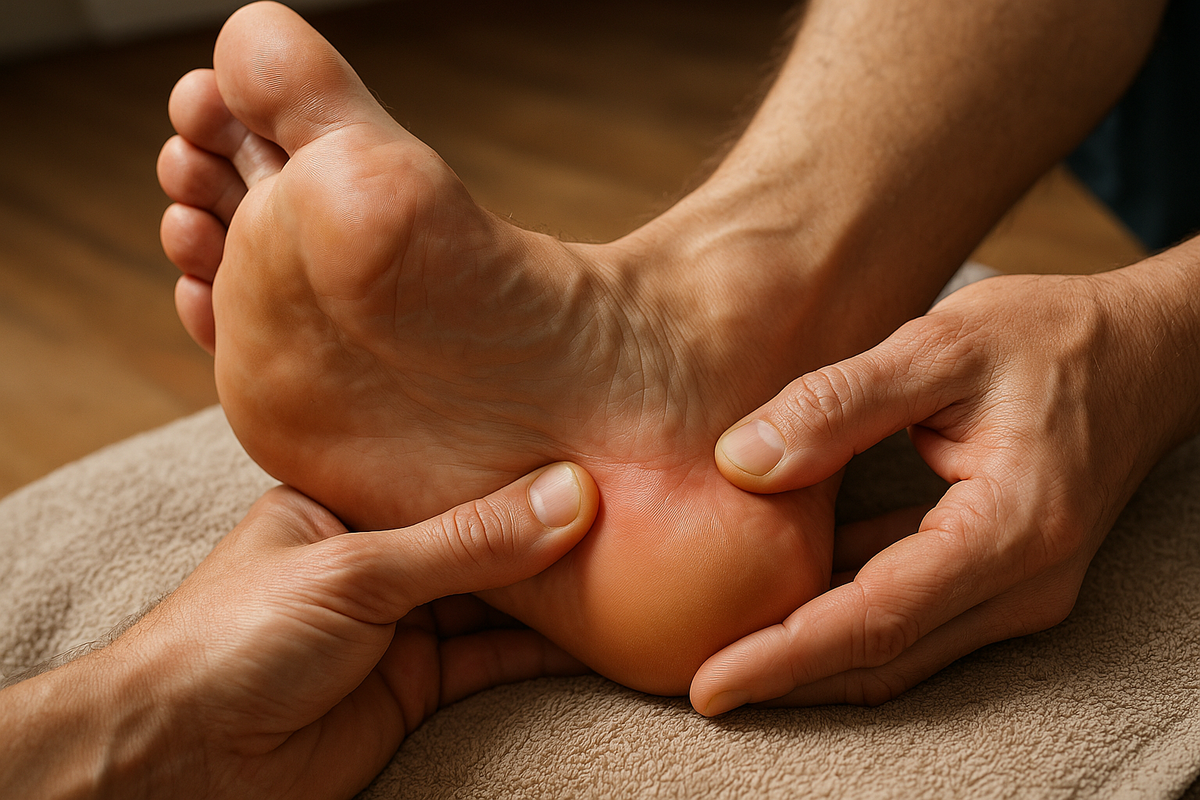
Massage is a common way to ease pain and relax. It increases blood flow where you massage, which can make the tissue more supple and reduce muscle tension. It can also release endorphins, which can make pain feel milder. Different kinds of massage, from gentle strokes to deeper pressure on trigger points, can help loosen tight muscles around the heel and in the areas nearby.
Used regularly as part of your daily routine, massage can help reduce stiffness, improve mobility and make the foot and lower leg feel more comfortable.
What to look out for in everyday life
Several things in daily life can affect how heel spur pain feels over time. Small changes in how you move, repeated strain and the shoes you wear can each make a difference to how the pain feels from one day to the next. Noticing these patterns can help you understand which situations tend to cause more discomfort.
Part of this is paying attention to how your foot feels in different situations. Stiffness in the morning, more soreness after standing for a long time, or pain that changes on different surfaces are signs that often come back. Over time, an uneven way of walking or other muscles taking over can shift the strain and change how the heel feels.
Habits and circumstances that can matter over time
Some habits are often linked to changes in the pain. Standing for long periods at work, frequent short walks on hard surfaces or always wearing worn-out shoes can all change the daily strain on your feet. Noticing how your foot reacts to different everyday activities can help you spot patterns. The point is to understand them, not to pick out one particular solution.
- Different surfaces can make the pain feel different from day to day
- Regular massage can be a way to reduce stiffness in the foot and calf
- A change in the type of activity can change the strain, which you often feel in the heel
It can also help to notice how you recover after activity. Some people find that a short rest brings temporary relief, while others find that the stiffness comes back with repeated strain. At Reliefr, we often stress the value of noticing patterns rather than looking for quick fixes.
Frequently asked questions
How can you prevent heel spurs?
Prevention is often about paying attention to your daily habits and choices. That includes varying your activities, keeping an eye on how worn your shoes are and how the strain is spread across your day. In practice, it can mean changing how and when your feet take the strain.
Can massage on its own relieve heel spurs effectively?
Many people find massage an important way to ease pain and relax the area, but results vary. For some, it becomes part of a routine that brings relief, while others find the effect is only temporary.
How long does it take to recover from heel spurs?
It varies a lot from person to person. Things like repeated strain, your daily habits and how quickly you notice changes in your routine can all affect how the symptoms develop over time.
.