Many people have heel pain at some point in their lives, and it can be hard to deal with when everyday life is busy. The pain is often described as stabbing and is usually worst in the morning or after a long time on your feet. Discomfort in the heel can make daily activities less pleasant and leave you feeling unsure of yourself when your feet have to carry you through walking and standing. It's natural to look for information about what the pain involves and how best to find relief in everyday life.
Heel pain can be a real burden, affecting both how you move and how your legs feel in general. Many people find it helpful to learn which factors may be linked to the pain, so they can make informed choices about rest and care. Often it comes down to understanding how everyday activities and your choice of footwear affect the comfort and stability of your heel.
What is heel pain?
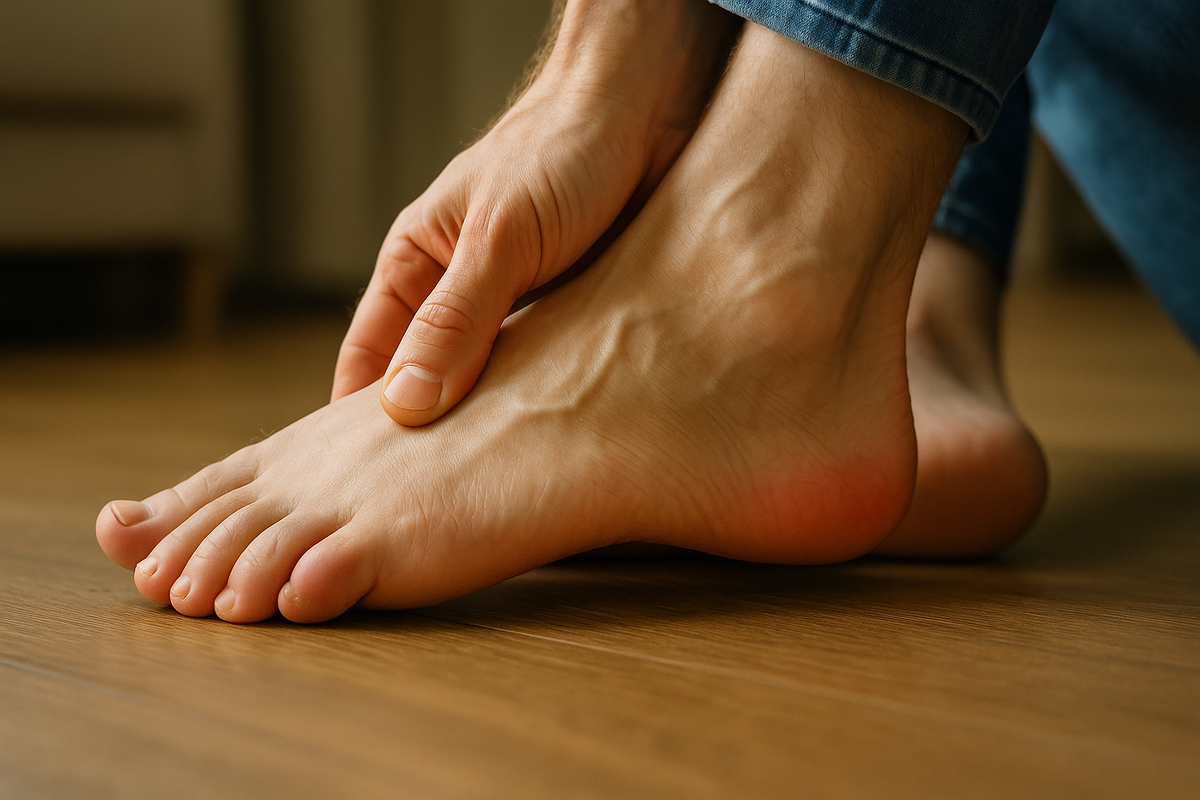
Heel pain is a very common problem. It can feel like a sharp or throbbing pain under the heel. It is often worst when you get up in the morning or after sitting still for a while, and it can get stronger if you are on your feet for a long time. Many people also describe a tenderness that keeps reminding them how sensitive the heel is.
How heel pain feels from day to day varies. Some people feel an uncomfortable tightness, while others have a sharper pain that makes it unpleasant to walk or stand for long. Typical symptoms can include:
- Stabbing or throbbing pain under the heel
- Discomfort, especially after resting or sitting still
- Symptoms that get worse when you are on your feet for a long time
Many people look for ways to get temporary relief in daily life, and there is a lot of interest in simple steps that can ease the pain and help you feel better. A calm, well-informed approach to heel pain can help bring more balance to your everyday life. Once you understand what heel pain involves, it becomes easier to make choices that make your days more comfortable.
What does heel pain feel like?
Heel pain often shows up as a sharp or stabbing feeling under the back of the foot, and it can feel different from one person to the next. Typical descriptions include tenderness with the first steps in the morning, pain that gets worse after a long time standing or walking, and a feeling of tightness in the foot. Besides the heel itself, you may feel tension in the calf, under the foot and sometimes all the way up to the knee or hip. That is why it makes sense to see heel pain as part of the whole chain of movement.
How common is heel pain in everyday life?
Heel pain is common in people of all activity levels. It may be temporary and come during periods of extra strain, or it may keep coming back over a longer time and affect both walks and tasks you do standing up. For many, it starts to shape which shoes they choose, how far they walk or how they plan their day to keep discomfort down.
Factors that can affect the pain
Several things in everyday life are often linked to how and when heel pain appears. Shoes without enough support, hard floors when you stand for long periods and movements repeated again and again can make the pain worse. Tension in the muscles of the calf, lower leg and foot can also affect how the heel feels, and changes in how active you are can make the pain appear more often or more strongly.
How the pain and its duration vary
Heel pain can vary a great deal. Some people feel a short, sharp pain when they put weight on the foot, while others have a more throbbing or lasting tenderness. It may last a few days after an unusually demanding time, or go on for weeks, coming back with certain activities. The intensity can change through the day and is often strongest after resting or after repeated strain.
Easing the pain in everyday life
Many people look for ways to ease the pain and take the load off their heels in everyday life rather than permanent procedures. Common approaches are about reducing the strain on the heel, easing muscle tension in the foot, calf and leg, and making everyday movement more comfortable. Massage, gentle work on tense muscles and using support in your shoes for a while are examples of things that can give temporary relief and make daily activities easier.
Paying attention to your heels day to day
Several things in your daily routine can affect how heel pain develops over time. Small changes in how you move, the condition of your shoes and how long you stand can all show up as changes in how much it hurts. Noticing how the discomfort appears in different situations gives you a clearer picture of patterns and triggers.
Habits and patterns that may play a part
Some habits are often linked to long-term strain on the heel. Putting too much one-sided strain on your feet, repeated short bursts of strain without rest in between and changes in your daily routine can gradually affect the condition. The age of your shoes and the way they have worn can also change how your foot takes the load.
- Worn soles can change the load on your foot and lead to more discomfort
- Some people feel tender after repeated short periods of strain
- Switching between soft and hard surfaces can affect how the pain feels
- Tension in the surrounding muscles can spread a feeling of stiffness or tenderness
Changes over the longer term
Over time, small but constant strains can change the nature of heel symptoms. For example, pain that at first only came briefly under strain may slowly last longer or appear with other movements. Heel discomfort is also often linked to tension in the lower leg or changes in the way you walk, which lead to uneven strain.
Calmly paying attention to these patterns can help you see which parts of daily life are linked to the discomfort. Our aim is to help you understand how ordinary habits and repeated strain can affect how your feet feel, so you can better make sense of your own experience.
Frequently asked questions
How can I relieve heel pain?
People often look for relief through rest, massage and gentle work on tense muscles. Many find that gentle massage around the heel and calf can change how the pain feels and ease the discomfort for a while.
What are the most common causes of heel pain?
The most common causes are often linked to repeated strain or changes in how the foot is loaded. Conditions involving the plantar fascia and structural changes around the tendons of the heel are often mentioned when symptoms are described.
How can I prevent heel pain?
Prevention is often discussed in terms of choosing the right shoes, varying the strain on your feet and paying attention to daily habits. Being aware of these things can affect how your heels respond over time.
When is heel pain out of the ordinary?
Pain that changes in character, comes on suddenly and makes it harder to use the foot, or comes with marked swelling or numbness can be a sign that things are not following the usual course. Such changes are different from the more common patterns, where the pain tends to vary in intensity through the day.
.