Learn more about your pain


Pain on the outside of the foot: what causes it and how can you ease it?
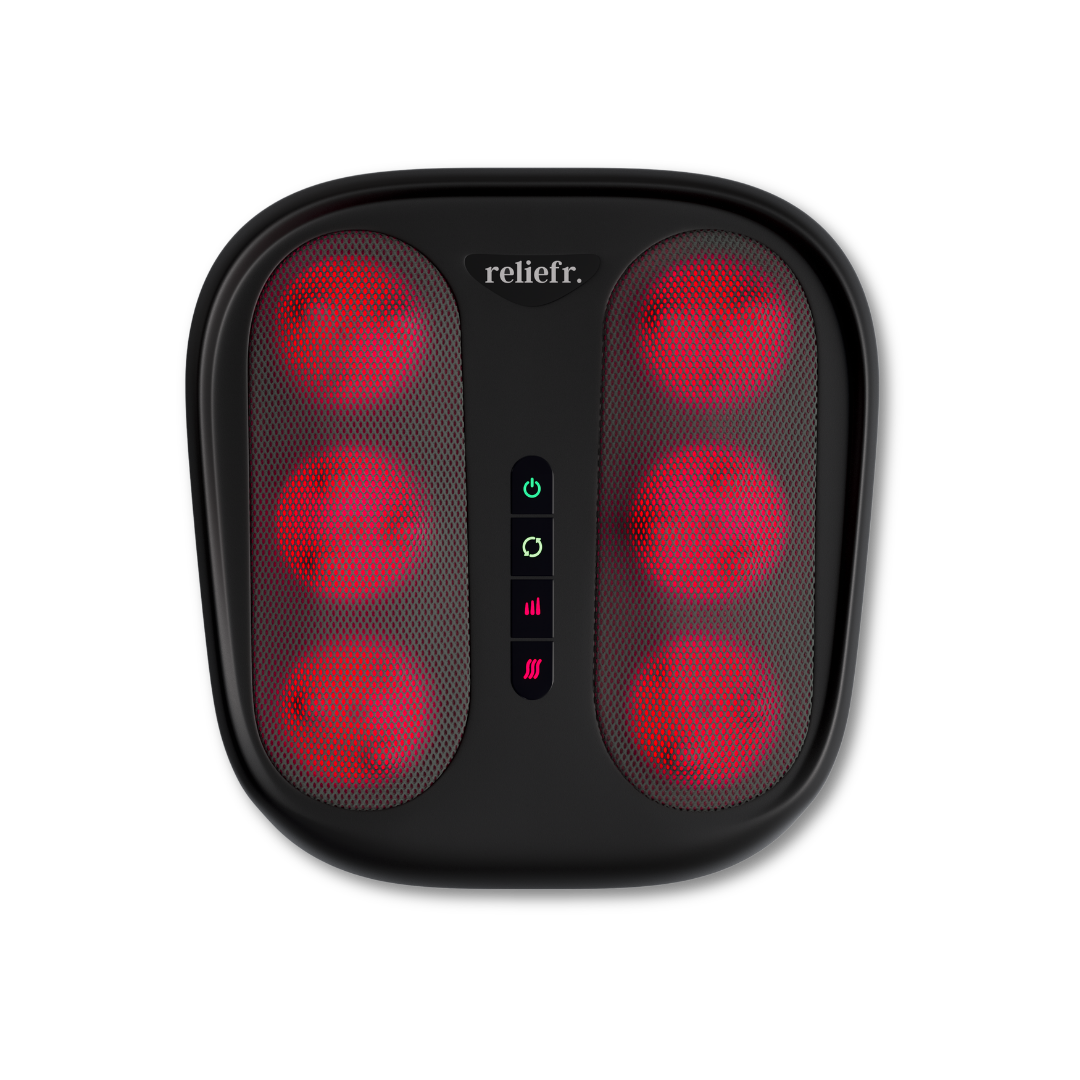
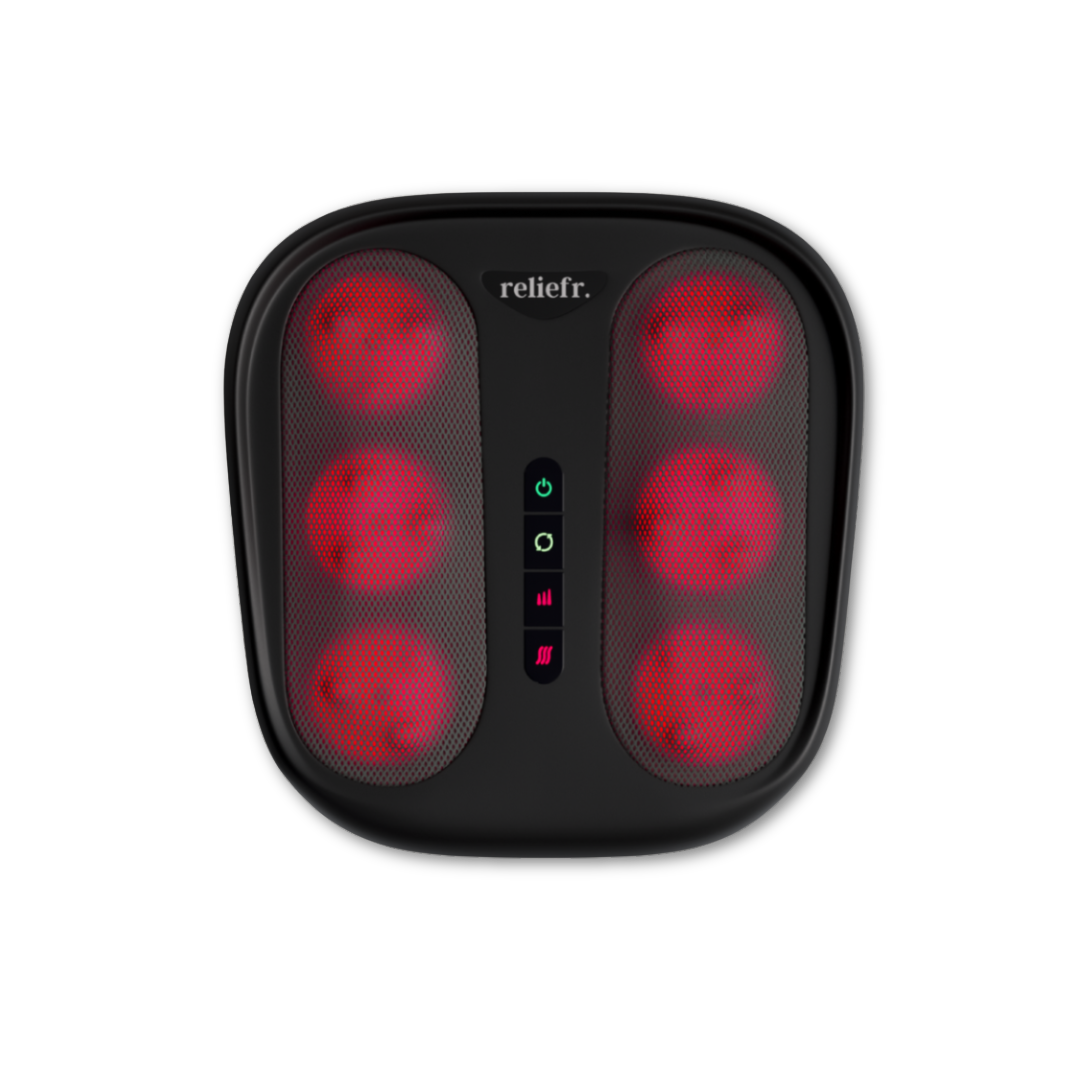
Many people have pain in their feet from time to time, and for some it is the outside of the foot that causes trouble. You may feel it in everyday life as well as during exercise, and often there is no single clear cause. Discomfort or soreness along the outer edge of the foot can make ordinary movements less comfortable. The pain can come on suddenly, but for many people it builds up gradually, until they notice how much it affects the comfort of their feet.Many people wonder what lies behind the pain and how it differs from other kinds of foot pain. It helps to understand what pain on the outside of the foot actually means, because several everyday factors can play a part in setting it off. Many people with this kind of pain have recently changed how active they are or switched to different shoes, and wonder whether this could be linked to it.What is pain on the outside of the foot?Pain on the outside of the foot means pain that is mainly felt along the outer (lateral) part of the foot. It can come from a single episode of overdoing it or from a longer period of repeated strain. It typically feels like soreness that gets worse with certain movements, especially when the foot takes extra load. You may notice it when walking and in other activities where your feet do much of the work. The pain can vary in intensity during the day The discomfort can get worse with repeated strain Certain movements can make the pain noticeably worse Many people want to understand why this part of the foot in particular is so prone to pain. It can be a combination of overuse, a change in how you place your foot, or an earlier overuse injury. Once you have a clearer picture of what is actually going on, it becomes easier to take sensible precautions and adapt your daily routine. Knowing more can help you adjust your daily activities and stop the discomfort from turning into a longer-lasting problem. That understanding can also bring a sense of calm and reassurance when sore feet affect your day.Common causes of pain on the outside of the footPain on the outside of the foot often shows up with repeated strain or extra pressure on the outer edge of the foot. Irritated tendons, local overuse and a change in how you place your foot are common causes, and shoes that pinch or give the wrong support can also play a part. Sudden movements or twisting the foot can cause pain too, especially if the muscles and tendons are already tense from everyday activity.What the pain can feel likePain on the outside of the foot can feel like local soreness, stiffness or sharper stabs of pain with certain movements. It can vary during the day and get worse on longer walks, when running or when carrying something heavy. Some people mainly feel it when the foot is under load, while others have a constant, mild soreness that can feel stronger after being active for a long time.Everyday factors that can affect the discomfortSeveral things in daily life are often linked to more pain on the outside of the foot. Your choice of shoes, the surfaces you walk on, sudden changes in how active you are and repetitive movements at work can all affect how quickly the pain develops. Tension higher up in the body can also play a part: strain and muscle tension in the back, neck, shoulders and legs often affect how much load the foot has to carry.Easing the pain and taking the pressure off in everyday lifeCombining rest for the foot with targeted relief can make everyday life easier. Taking the pressure off means reducing direct pressure and repeated strain on the painful side of the foot, and spreading your weight and movement so the foot gets a chance to rest. Massage and warmth can loosen tense muscles, boost circulation and make the foot feel more comfortable, while short breaks from demanding activities often ease the pain.Typical activities that can make the pain worse Long walks or runs on hard or uneven ground Working on your feet without being able to change position Frequent sideways movements or sudden turns Daily habits that can affect your feet over timeIn everyday life, small habits often play a part in how pain on the outside of the foot develops. Repetitive movements, standing in the same position at work and wearing the same type of shoes for a long time can gradually change how load is spread across the foot. This often shows up as lasting soreness or discomfort that comes and goes depending on how active you are and how much you rest.Surfaces, shoes and wear patternsThe ground you walk on and the kind of shoes you wear often affect how pressure and friction are spread along the edge of the foot. A worn sole or stiff materials can change the way your foot moves. Over time, such changes can affect how often and how hard that area is loaded, so always wearing the same shoes or putting more weight on one side can matter in the long run.Posture, compensation and tensionFoot pain is often linked to how you move higher up in the body. If your hip, knee or ankle compensates for something, it can change the load on the outside of the foot, and tension in the leg and calf muscles can show up as a change in how you walk or as extra stiffness. Stress can also affect muscle tension and how much discomfort you feel in your body in general.Signs of change over time The pain varies in intensity from day to day or week to week Your shoes wear differently, or the pressure feels uneven when you put weight on the foot Your walking becomes less even after being active for a long time Paying attention to these things can show you which patterns keep coming back, although it does not necessarily tell you the cause in each individual case. If you would like to see what is available, Reliefr has products for foot massage and support: https://reliefr.com/collections/fodmassageFrequently asked questionsHow can I tell tendon pain from nerve pain?Tendon-related pain often shows up as local soreness that gets worse with certain movements, while nerve-related pain can feel like stabbing, tingling or pain that spreads. How the pain changes over time and with different kinds of load can give useful clues.Can massage or warmth ease the discomfort?Many people find that massage and warmth give temporary relief by easing muscle tension and boosting circulation in the area. How much it helps, and how quickly, varies from person to person.What kinds of products do people look for when the outside of the foot hurts?People often look for products that cushion pressure and give support and comfort, as well as devices for massaging a specific area. Insoles, massagers and heat products are common choices for anyone exploring what they can use at home.
Learn more
Stiff legs: what causes them, and how can you ease them?
Many people find their legs feel stiff during the day, especially after exercise or after sitting at work for a long time. Stiffness can make the leg muscles feel sore and tense, which affects how easily and comfortably you move. Your legs may feel less flexible, and the tension in your muscles is often easier to notice when you get going again after rest or activity. These feelings usually build up when the muscles have been under repeated strain or have not moved for a long time. That is why many people want to know what causes stiff legs and how best to deal with them in a busy everyday life.What are stiff legs?"Stiff legs" covers a range of feelings in the leg muscles, mainly soreness and reduced flexibility. It can feel like a general tightness in the legs and can have several causes linked to the everyday strain on your body. Among the most common triggers are overuse, such as hard exercise, and long periods of inactivity, which keep the muscles from relaxing fully. Your legs can also feel stiff after a lot of sitting, when you move very little and the muscles become tense and stiff.How strong the symptoms are varies, and many people describe their legs as feeling "locked", tired or heavy. The stiffness usually shows up as soreness, sometimes together with mild or more noticeable tension in the muscles. People with stiff legs often describe: A feeling of tightness and less flexibility in the muscles Soreness that can be felt both before and after exercise A general tiredness in the legs that affects everyday movements This is very common, both in active people and in people who sit a lot. Stiff legs are often a sign that your body is reacting to strain you may not have noticed until the symptoms appeared. If you have stiff legs regularly, it can be a natural reaction to things like physical effort, big changes in how active you are, or not warming up properly before exercise.How stiff legs usually feelStiff legs often mean you move less freely and feel tight, especially after sitting still for a long time or after physical effort. For some people the feeling is brief and soon goes once they start walking. For others it lasts and is noticeable in everyday things like climbing stairs or getting up from a chair. The symptoms can feel like soreness, heaviness or tender spots in the muscles.How common stiffness isMany people get stiff legs from time to time, especially those whose work involves standing or sitting for long periods. Older people report stiffness more often, as do people who make the same movements over and over in daily life. Stiff legs are often linked to daily habits and to the total strain your body is under over time.Everyday things that can affect stiffness Poor posture at work and in your free time can put more strain on the muscles. Long periods of inactivity or the same movements again and again often make stiffness worse. Not drinking enough and not resting enough can make muscles more sensitive and less flexible. Stress and how well you sleep can affect muscle tension, and with it how stiff you feel. Unsuitable shoes or shoes with poor cushioning can put more strain on your legs and feet. Different kinds of stiffness and related complaintsStiff legs can feel different from person to person. Some mainly feel tension in the thigh or calf, while others feel a more general heaviness in their legs, feet and back. Stiffness also often comes with cramps or swelling at times. Many people say the stiffness changes during the day: it is worse when they wake up or after long periods without moving, and better after some light activity.Common ways to find reliefPeople with stiff legs often mention massage, warmth and compression as ways to ease pain and take the load off. Massage helps loosen tense muscles, warmth can make the legs feel more supple, and compression is described as support against heavy legs. People use these in everyday life to feel more comfortable and move more easily.What to notice in everyday lifeIf you have stiff legs over a longer period, it can help to look out for small patterns. The stiffness often varies from day to day, in how strong it is, where you feel it, or what time of day it comes. Many people notice that what they did just before the symptoms started can affect how the stiffness develops over the following days. Patterns over a longer time can show which situations or periods make a difference.Habits and circumstances that can play a part over time How you move during the day can mean some muscle groups get more strain from repeated movements. How well you sleep and what you sleep on can affect how your muscles and joints feel when you wake up. The temperature around you and the changing seasons can affect how stiff you feel from day to day. An uneven posture at work or in your free time can, over time, change the tension in your muscles and make them feel tighter. Repeated one-sided strain, such as always carrying your bag on the same side, can cause tension in particular places. These are not solutions, but things worth paying attention to. Over a few months, small differences in your daily routine can show clearer patterns in when and how the stiffness comes on. It is worth making a note of whether you feel it on both sides, whether it moves to a different place, or whether new discomfort appears, as these can be signs that your body is reacting to strain in a different way.Before the questionsLooking at patterns rather than single episodes can give you a clearer picture of how your stiff legs develop. Changes in how often the stiffness comes, where you feel it and what it feels like can be useful pointers in everyday life. The questions below answer some of the most common concerns about stiff legs.Frequently asked questionsHow can massage help with stiff legs?Massage can improve blood flow in the area being massaged and loosen tension in the muscles. Many people find this eases stiffness and soreness for a while.Is warmth or cold better for stiff legs?Warmth can feel soothing for tight muscles, while cold is often used when there is swelling or the area feels warm. Which is better depends on how your symptoms feel to you.When should I see a doctor about stiff legs?It is a good idea to contact a doctor if the stiffness changes noticeably, does not go away, or comes with severe pain, sudden swelling or other new symptoms..
Learn more
Inflammation in the foot: Common causes and relief in everyday life
Many people have pain and swelling in the foot, and this is often a sign of inflammation. Inflammation in the foot can make everyday activities less comfortable and affect how well you feel. Overuse and the wrong shoes are among the common causes that can leave the tissue in the foot sore and stiff. Symptoms such as pain, swelling and a feeling of warmth often come on gradually or after a period of heavy strain. Many people then want to understand what is happening in their foot and how to ease the discomfort in everyday life.What is inflammation in the foot?Inflammation in the foot is when the tissue in the foot becomes irritated and swollen. It can feel like a painful reaction that typically comes on during physical activity or after long periods of strain. Typical signs of inflammation in the foot are: Soreness when you put weight on the foot Swelling and a warm feeling Stiffness, often most noticeable after rest The discomfort often affects you both physically and in practical ways. When the foot is overloaded again and again, or you wear the wrong shoes, even ordinary daily tasks can come with a constant feeling of discomfort. Many people look for information about inflammation in the foot to learn how simple measures can ease and prevent the symptoms that make everyday life harder.Knowing how inflammation in the foot shows itself gives you a better picture of what can happen when the foot is put under too much strain. It is about knowing the typical signs so you can spot them early. A basic understanding of how soreness, swelling and stiffness develop makes it easier to see how the symptoms arise and what can make the discomfort less troublesome. Paying attention to the first signs helps make listening to your body a natural part of a healthy everyday life.How inflammation in the foot typically shows in everyday lifeInflammation in the foot often shows as pain when you stand or walk on it, and as stiffness after rest. Many people find the pain is worst in the morning or after long spells of sitting or standing at work, while swelling and a local warm feeling can vary through the day. A change in the way you walk, such as putting less weight on the heel or stepping carefully, can be a sign that the foot is reacting to ongoing irritation.When symptoms are often more noticeableSymptoms are often linked to changes in how active you are or to a change of shoes. Periods of more walking, running or long hours on your feet can make things worse, and shoes with poor support can make the pain more noticeable. Weather and temperature can also affect how stiff and sore the foot feels, and changes in weight can affect how much strain the foot has to take.How foot pain can lead to muscle tensionPain in the foot can make other parts of the body compensate. Tension can build up in the calf muscles, which you may notice as tightness in the leg. Over time, a changed way of walking can also affect the knees, hips and back, and some people notice more tension in the neck and shoulders because their posture has changed. This is why the discomfort is rarely limited to one area.Why easing the load helps everyday comfortEasing the load in everyday life is about reducing strain and making room for better movement. Short breaks from demanding activities, putting your foot up when you rest and avoiding repeated heavy strain when the pain is worse can make a difference to both swelling and pain. Spreading the strain evenly through the day often goes hand in hand with fewer flare-ups.Pain relief through touch, heat and coldMassage can relax tense muscles and improve local blood circulation at the same time, which often reduces stiffness. Heat can soften sore muscles, while cooling can feel soothing when there is clear swelling or a warm feeling. Whether to choose heat or cold depends on how your foot feels at the time.What to look out for in everyday lifeIn daily life, small repeated patterns can affect how the discomfort in your foot develops over time. Changes in the surfaces you walk on, how your shoes wear and how often the foot takes one-sided strain often play a part. You may notice that symptoms are worse after certain activities or at certain times of day, and that your circumstances affect both pain and movement for periods. The wear pattern on your shoes can show where most of the strain falls Long hours of standing at work often go hand in hand with more tired feet Changing surfaces, for example from hard to soft, can change how the foot is loaded Habits that can matter over timeSome habits affect the foot gradually. Repeating the same movement often, carrying heavy things on one side and long periods without variety in how you move can, over time, make the tissue react. Changes in weight and lasting changes in how active you are can also affect how noticeable the symptoms are day to day. These things may not show straight away, but they can build up gradually and be felt as more soreness or stiffness.The bigger picture in everyday lifeWhen you look at your daily routine, it can help to notice how the strain is spread over the day and which tasks you repeat often. Variety in activities and how often you repeat the same movement are often linked to how the symptoms feel. Just as sleep and rest can affect how your foot feels when you wake up, daily patterns can affect how much you notice the discomfort during the day.How touch and warmth affect the feeling of painTouch and temperature often affect how discomfort in the foot is felt. Massage can feel calming on tense areas and can change how sensitive the area feels. Heat and cold can feel different depending on the time of day and how swollen the foot is, and many people notice that these sensations can change how the foot feels when they are active. These reactions vary from person to person and can change over time.Long-term factors worth paying attention toOver months and years, repeated patterns can change the way you walk and how your muscles are loaded. Compensating in the way you move can show as more tension in the lower leg and other joints, and such changes can affect how often or how strongly you feel discomfort. Noticing when your symptoms appear can help you see which factors play a part over time.Below you will find answers to some common questions about inflammation in the foot. They cover typical situations that many people wonder about.Frequently asked questionsHow long can inflammation in the foot last?It varies a lot, depending on the cause and the person. For some, the symptoms ease within a few weeks, while others have longer periods where the discomfort comes and goes. Daily activity and recovery can affect how it develops.Can daily habits make the symptoms worse over time?Yes. Repeated strain and too little variety in movement are often linked to symptoms getting worse over time. How you load the foot in everyday life, and how often, can affect both how strong and how frequent the pain and stiffness are.Are massage and heat good for easing discomfort in the foot?Massage and heat can feel pleasant and can affect how stiff and tense the area feels. Everyone reacts differently, and how these sensations feel can vary with the time of day and how swollen the foot is.What can the wear pattern on your shoes tell you about the strain on your foot?The wear pattern can give an indication of where most of the strain falls when you walk and run. It can help reveal repeated patterns of strain, which over time can affect how the foot reacts.
Learn more
Pain on top of the foot when I walk: what can cause it and how can I ease it?
Many people get pain on top of the foot when they walk, and it can make everyday life less comfortable. It often shows up as a sharp or nagging feeling, a sign that something isn't quite right when the foot takes your weight. It is common for it to vary – some days there is just a slight soreness, while on other days the pain is more noticeable. This kind of discomfort is usually linked to the strain that everyday walking puts on the foot, so it is no surprise that many people want to know why the top of the foot hurts during exactly these activities.Pain on top of the foot is not unusual. It affects active people as well as those with busy everyday lives. The pain is often linked to the way we use our feet – when the foot is exposed to movement and pressure again and again, small irritations can develop in the tissue and tendons. This can lead to a tight or uncomfortable feeling that flares up as you become more active. Many people also find the pain gets worse when they walk quickly or on uneven ground, and that can make everyday tasks harder to do in comfort.What is pain on top of the foot when I walk?Pain on top of the foot when you walk simply means pain felt on the upper part of the foot, especially when you move. It is not a medical diagnosis but a description of how the foot reacts to everyday strain. The pain can come from a few things that affect the foot when it is under repeated strain or when you walk for a long time. Typical causes include: Overuse from repeated movements Shoes that are unsuitable or too tight Increased muscle tension during physical activity Many people describe periods when the top of the foot feels particularly prone to irritation and discomfort. It may seem as if the pain is simply part of being active, but these are often exactly the moments when you want to understand what is behind it. Once you have a clearer picture of what sets the pain off, it becomes easier to work out how best to deal with it and make everyday life more comfortable.Typical causes in the tendons and soft tissuePain on top of the foot is often linked to irritation in the tendons and soft tissue at the front of the foot. It is often the extensor muscles and their tendons that take the strain when they are used repeatedly or when activity suddenly increases. Tight shoes and laces that press on the top of the foot can add to this strain and make the tendons more sensitive, even during ordinary walking.What does the pain feel like?The pain can feel different from person to person, but there are some common features. Typical signs include: tenderness as soon as you press on the top of the foot sharp or shooting pain with certain movements, especially when you lift the foot a tired feeling in the foot after longer walks Some people find the pain eases once the foot is warm and moving, but comes back when the strain goes on for longer.How common is it in everyday life?Pain on top of the foot is fairly common among people who walk a lot, stand for long periods or make the same movements with their feet over and over. Active people and those with busy lives often describe times when the discomfort affects their walking rhythm or pace. It happens at all ages and to both men and women, but it becomes more common during periods of increased activity or when you change the shoes you wear.Things that can cause pain when walkingSeveral everyday things can be behind the pain. Walking on sloping or uneven ground puts more strain on the tendons at the front of the foot. Suddenly walking faster or further, carrying heavy loads and wearing shoes with too little room for the toes can all make the area more sensitive. Tightness in the calves and shins is also often linked to increased tension on the top of the foot.How the pain can vary over time and in strengthThe pain can range from a mild, nagging soreness to a sharp feeling every time you push off. For some, it is short-lived and only appears with certain movements; for others, there is a lasting tired feeling that makes walking less comfortable. The pain can also spread in different ways to nearby areas such as the foot, leg and sometimes the back, if you change the way you walk to avoid the discomfort.What to look out for in everyday lifeIn everyday life, small things that keep happening can tell you a lot about how the pain on top of your foot is developing. Notice when the discomfort comes on. Some people feel their foot tiring early after short walks, while others notice it gradually getting worse during the day. The pain can also be sharp with certain movements, or more of a lingering soreness after long periods of standing at work. Timing: when the symptoms appear and whether they change over the week Link to strain: whether the discomfort follows certain activities or repeated movements Type of pain: whether it feels stabbing, burning or throbbing Habits and circumstances that can play a partChanges in habits and daily routines are often linked to how the pain develops over time. Walking differently, spending longer on your feet or carrying heavier bags than usual can all affect how your foot feels. Temperature and weather play a part too: cold can make muscles stiffer, while damp and heat can change how comfortable your shoes and socks feel.How changes in the way you move can showWhen pain comes on, people often adjust the way they walk to avoid it. You may notice a change in stride length, more frequent breaks, or more weight going onto other parts of the foot. Over time, these changes can show up as tiredness in the lower leg or discomfort in the hip and knee, as your posture changes to compensate.Frequently asked questionsCan massage help with pain on top of the foot?Massage can feel soothing for tense muscles and can give a sense of better blood flow in the area. Many people say a gentle massage brings temporary relief, especially after longer walks.Why can the pain come back after only a little activity?Pain that comes back is often linked to repeated strain, or to the tissue still being sensitive after earlier activity. It can feel like a repeated reaction to the same kind of movement or surface.When should I pay extra attention to changes?Take note if the pain changes in character or moves to new areas, or if you notice clear swelling or reduced movement. Changes like these can be a sign that something in the way you walk or the strain on your foot has changed significantly..
Learn more
Infrared massager: what are the benefits of heat and vibration?
Many people live with stiff muscles and everyday aches, and it is natural to look for a safe and simple way to ease them. A device with infrared heat and vibration is designed to help you relax and feel better overall. It combines two things – heat that works its way into the muscles, and gentle vibrations that loosen tension – and together they can help ease everyday discomfort. Many people find that the warmth and the light, pulsing movements feel pleasant and calming, bringing both relaxation and a sense of pain relief. For those who want to give body and mind a break from everyday stress and muscle tension, this kind of self-massage has become part of the daily routine.An infrared massager can be a natural way to loosen tight spots, especially after a long day or after exercise. The heat works by increasing blood circulation, while the vibrations help release built-up tension. That is why many people are curious about how such a device can offer a gentle but effective way to feel less tired and sore, without any medical aids.What is an infrared massager?An infrared massager is a device that combines infrared heat with vibration to give a gentle massage. The heat reaches deep into the muscles, while light, rhythmic movements stimulate the tissue at the same time. Many people find that this kind of massage helps blood circulation and leaves them feeling clearly more relaxed. Infrared heat gives a deep, warming feeling in muscles and tissue The vibrations help loosen muscle tension Regular use can bring noticeable pain relief and a greater sense of well-being It is important to remember that an infrared massager does not replace professional treatment. It is a supplement to your everyday self-care. Many people find that heat and vibration together bring calm straight away and a sense of well-being that lasts, which makes it appealing if you want a simple way to ease everyday discomfort.How does infrared heat work?Infrared heat feels deeper and more penetrating than ordinary surface heat. When the warmth reaches the muscles and connective tissue, it can increase blood flow locally, so more oxygen and nutrients reach the areas that need them. Many people describe it as a gentle warmth that eases stiffness and makes the muscles more receptive to the vibrations.The benefits of combining heat and vibrationHeat and vibration together often work better than either one alone, because they tackle tension in two ways: the heat relaxes the tissue, while the vibrations affect muscle tone and the sense of touch. You may find that pain relief comes sooner and that your muscles loosen up more easily after a short while.Benefits people often mention Less muscle tension, which you may notice as less stiffness when you move Better blood flow and more oxygen to the tissue in the treated area More relaxation and a calmer feeling, which many people link to lower stress levels Where people often notice a differenceThe neck, back and shoulders are among the areas where heat and vibration often feel most effective at loosening tight muscles. Legs and feet can also benefit, especially after a long day on your feet or after exercise. When you treat several areas, the effect can feel more complete, because the body has fewer aches in several places at once.How can everyday use affect your well-being?Using a massager regularly as part of your daily routine can be a way to ease sore, tired muscles. Many people find that short sessions after work or exercise help them wind down in the evening and make everyday tasks feel more comfortable.There is a practical side too: with heat and vibration at home, it is easier to make time for rest and recovery. The massager is always to hand and can be used just where you need it – on the neck, back, shoulders, legs and feet – without any lengthy preparation.Things to keep in mind in everyday lifeWhen an infrared massager becomes part of your daily routine, several things can affect how it feels over time. Repetitive movements at work or in your free time, sleep patterns and the general strain on certain muscles often play a part in how the body responds to heat and vibration. These factors can influence whether the massage feels comfortable or less so.Habits that can affect the experienceSome daily habits can shape how a massager feels to use. Sitting still for long periods or repeating the same movements can make certain areas more sensitive, while varied movement during the day can give a different experience. Many people also notice that the massage feels different depending on the time of day and how tired they are. Work that involves repetitive movements can change where you feel tension Your sleeping position and rest can affect how your muscles feel in the morning Clothing and materials against the skin can make a difference to comfort during use The indoor climate and room temperature can affect how the warmth feels Care and storage, kept simpleLooking after the massager helps it last and keep working well. How you store it, keeping it clean and checking the parts now and then can all affect how it performs with regular use. This matters both for how well it works and for how much you enjoy using it at home.Expectations and timeExpectations vary a lot. Some people notice a change in comfort quickly, while for others the difference comes more gradually. How much better you feel can affect how often you use the massager and in which situations you reach for it.Below you will find answers to common questions about use and differences that often come up when you are considering an infrared massager.Frequently asked questionsHow is infrared massage different from traditional massage?Infrared massage usually feels like a combination of warmth and rhythmic vibrations from a device, while traditional massage means working the muscles by hand. In practice, the difference lies in how easy it is to use whenever you like, and in whether the massage feels more on the surface or more focused.Are there any risks with infrared heat?Some people may notice temporary redness or more sensitive skin after use. Reactions vary from person to person, and such changes can be brief sensations that do not last.Can the massager affect everyday comfort in the long run?Users report that the effect can vary over time. For some, regular use changes how good they feel, while others notice more varied results depending on their daily circumstances and habits..
Learn more
Sore legs: what causes them and how can they be eased?
Most of us have sore legs at some point in life. It can range from a mild, tired feeling to clear tension in the muscles. Legs often get sore after long spells of sitting at work, after hard physical activity or simply from the strain of everyday life. Often it starts as a slight soreness that builds up over time, and it can feel as if your legs are not getting enough variety in how they move. If the soreness hangs on, it can be your body telling you that something in your day needs to change: either more movement or a well-earned rest for your legs. Many people want to know more about sore legs, because they affect comfort and quality of life, even though sore legs are not a medical diagnosis in themselves.Sore legs are often linked to the way we live. Long periods of sitting still followed by sudden strain can leave your legs both tired and slightly stiff. You may notice it after a day of sitting at work for many hours, or after hard exercise where your leg muscles have worked extra hard. Usually this is a natural reaction to the strain. Paying attention to how your legs feel each day can help you understand why it is often a good idea to change the way you move.What are sore legs?Sore legs means that the muscles in your legs feel tired, tense or painful. The soreness can come straight after physical activity, or it can build up gradually when your legs are put under strain again and again. You often feel it after your legs have had to work extra hard, but it can also show up the day after a long working day. For some people, a slight pressure or stiffness in the legs makes them wonder whether they move enough during the day. Others have more marked soreness that can make normal daily routines harder. Knowing what sore legs involve makes it easier to see how your lifestyle and daily movement are connected with the discomfort you feel.How do sore legs feel?Sore legs often feel tired or heavy, either in one spot or more widely. You may feel soreness after activity, stiffness after staying in the same position for a long time, or a throbbing feeling when you press on the muscles. Some people also find they move less easily and that their legs need to "wake up" after rest. Others feel a constant tension that affects walking and working on their feet.How common are sore legs?Sore legs are a common complaint in both younger and older people, and they are often linked to how we work and spend our free time. People who sit at work and people with physically demanding days can both get sore legs, although the causes may differ. Sore legs can make standing tasks, walks and sleep less comfortable, and many people notice that the soreness changes with activity and rest.Everyday things that can cause sore legsCommon causes include repeated strain from work or sport, long periods without varied movement and poor posture when sitting at work. Uneven ground, lots of short walks with frequent stops and starts, and standing in the same way for too long can also put extra strain on your leg muscles. Stress and poor sleep can add to muscle tension and make the soreness feel worse.Different kinds of soreness and where you feel itThe soreness can come on suddenly after a single strain, or it can linger when the strain is repeated. It is often felt in the legs, feet and calves, but tension can also show up in the back, neck and shoulders at the same time. Some people mainly feel soreness in one muscle group, while others feel a more general tiredness spread over several areas.Muscle tension in everyday lifeMuscle tension feels like tightness or a cramp-like feeling. It is often linked to using the same muscles again and again, or to holding the same position for a long time. Physical tiredness and stress can make tension worse, and it can make ordinary movements feel harder. Understanding how tension builds up during your day can help you spot patterns in when and where the soreness appears.What to notice in your daily lifeIf you have sore legs, small patterns in your day can tell you a lot. For many people, the soreness changes in strength during the day and can feel both like heaviness and like tension in one spot. It can help to notice when the discomfort comes and which daily habits tend to go with it.Things that can play a part over timeSome things in daily life play a part over a longer period and can affect how the soreness develops. Shoes with worn soles or little cushioning can put more strain on your feet and calves. Hard floors and repeated short bursts of strain at work can also play a part, and so can the balance between standing and sitting. Temperature and the clothes you wear can make your muscles more or less sensitive and so affect how sore they feel. Tight socks or shoes can sometimes change how pressure is spread and feel uncomfortable Days where you move a lot one moment and very little the next can make the soreness come and go Spending a lot of time on uneven ground can lead to lasting tension over time Sleep quality and mental strain are often linked to muscle tension and how sore your legs feel The bigger pictureIt can be useful simply to note patterns and times, without looking for a specific solution straight away. Many people find that on some days the soreness is clearer, while other days feel easier. Knowing these ups and downs can show you which things keep coming back as triggers. That makes it easier to ask the right questions about your daily habits, if you want to look into it further.Frequently asked questionsCan massage help with sore legs?Many people find that massage gives temporary relief and helps loosen tense muscles. Many also describe feeling more supple and that their circulation feels better after a massage, but the effect varies from person to person.How do sleep and stress affect sore legs?Poor sleep and high stress are often linked to more muscle tension, which can make your legs more sensitive. Stress can show up as tension that does not go away, and how well you sleep can affect how sore your legs feel the next day.How does the soreness usually change during the day?It can range from slight stiffness in the morning to growing heaviness during the day, or tired legs by the evening. Some people also find that how much they move around during the day affects how sore their legs feel..
Learn more
Inflammation in the foot: What causes it, and how can you relieve it?
Many people have periods of pain and discomfort in their feet, which can make everyday tasks harder. It often starts as a natural reaction in the body's tissues when they are overloaded or put under repeated strain. Many notice that their feet become more sensitive and feel generally stiff after long days of standing or walking. This inflammation can cause a range of unpleasant symptoms that make a real difference to everyday life, especially when your feet have to carry your whole body weight while you walk or work.That is why many people look for information and advice on the subject, to understand how the inflammation develops and what it can mean for their overall wellbeing. Knowing what inflammation in the foot involves makes it easier to put your symptoms into words and to see how the discomfort affects your working day and free time. It also helps you notice calmly when your feet show signs of irritation and stiffness, without assuming it has to be something serious.What is inflammation in the foot?Inflammation in the foot is a natural reaction in the body's tissues, where more blood and immune cells flow to the affected area. This can cause swelling, redness and a feeling of warmth. It is often the result of overuse, an inflamed tendon or problems with the plantar fascia, and the pain that comes with it varies in strength and extent from person to person. Many people feel discomfort when they put weight on the foot, especially when walking or standing for a long time, and a stiffness that can make the start of the day particularly hard.Inflammation in the foot does not necessarily stop you from going about your day, but it often makes things harder, with lingering discomfort and feet that tire more easily. That is why it helps to know which symptoms are typical and to notice how they relate to the strain your feet are under in everyday life.Signs of inflammation in the footInflammation in the foot often shows as pain when you put weight on it and tenderness when you press on it. Other common signs are swelling, warm skin and a feeling of stiffness, which may be worst in the morning or after rest. Some feel a crunching or pulling sensation in the tissue, while others notice that their feet feel generally tired after long periods of walking or standing. It can range from mild irritation to stronger pain, and it may pass quickly or keep coming back over several weeks.How common is the problem in everyday life?Many people have foot problems from time to time, linked to work and leisure activities. Older people and very active people report problems more often, but desk work with sudden changes in strain can also play a part. Habits such as often walking on hard surfaces or spending long days on your feet are often linked to a higher risk of irritation and pain, which can affect how easily you move and how comfortable you feel day to day.What can cause inflammation in the foot?Several things can irritate the tissues of the foot. Common causes are repeated overuse from sport, long walks or work where you stand for long periods. Unsuitable shoes or shoes with poor support can change the way your foot takes the load and put more pressure on certain areas. Earlier sprains or long-term strain in the foot and lower leg can also make the tissue more vulnerable, and sudden changes in how active you are can play a part too.Different types and where they occurInflammation can affect different types of tissue in the foot, such as tendons, connective tissue and the soft tissue around the joints. Depending on which parts are under strain, symptoms may be felt in the heel, the front of the foot or the side of the foot. Tight muscles in the lower leg are often linked to extra strain on the foot, and similar problems can also appear elsewhere, such as the back, neck and shoulders, where overloading changes the way you move.Practical ways to find relief in everyday lifeThere are several simple, everyday things that can bring relief. In the acute phase, a short rest from activities that strain the foot, cold compresses for swelling, light compression and keeping the foot raised can ease the discomfort. Support in your shoes and cushioning footwear can change how the load is spread, while gentle massage boosts blood flow and can ease muscle tension. Warmth can help with stiffness, and short breaks and changing position often during the day can help you feel better.What to look out for in everyday lifeIn everyday life, it helps to look for patterns rather than single episodes. Pain can vary from day to day, and several things often affect how symptoms develop over time. Some people notice that problems come more often on certain surfaces or after days of standing for long periods, while others find that the foot feels stiffer in the morning or gets warm during the working day. These patterns can show you which situations affect your comfort most.Your shoes and how they wearThe condition of your shoes and the way they wear can matter. Uneven wear on the soles, or spots where the shoe presses, often show where the load is greatest. You may also notice that the fit changes during the day, for example if your shoes feel tighter in the evening, as this can affect how the load is spread.When symptoms appear and how they varyWhen the pain or discomfort appears can tell you something about what is behind it. Some people are especially sensitive during the first steps in the morning, while others mainly feel tired after long periods of activity. Ups and downs from day to day can be a sign that the cause is linked to daily habits or to the way your feet are loaded.Other things that can play a part over time Changes in the way you walk or in your posture, which change how pressure is spread How your foot looks and how swollen it is at different times of day Shoes, sock material and how they affect friction Sleep and mental strain, which can change how sensitive you are to pain At Reliefr, we find that paying attention to these everyday signals often helps you understand what changes over time. Keeping an eye on patterns makes it easier to see which situations keep affecting how your feet feel. Below, we answer some of the questions people ask most often when the discomfort starts.Frequently asked questionsHow can I check for inflammation in my foot myself?Simple observations can help. Compare the warmth, swelling and tenderness of the affected foot with the other foot. Also note whether the pain changes after rest or when you start moving, and whether you can see swelling when you compare your feet in a mirror or in photos over time.Can I use heat instead of cold?Heat and cold feel different. Cold often brings relief when there is visible swelling or warmth, while heat may feel more pleasant when the foot is stiff. How it feels varies from person to person, and some simply choose whatever gives them the most comfort at the time.How long can foot problems last?It varies a lot. Some bouts may be short and pass within a few days, while others may keep coming back for weeks or longer. Looking at how the symptoms repeat can make it clear whether something is affecting the foot all the time or only now and then..
Learn more
Plantar fascia: what is it, and how can the pain be eased?
Many people have pain and discomfort in their feet, especially when the plantar fascia is strained by everyday overuse. It is quite common to notice it with the very first steps in the morning, as a stabbing feeling under the heel that can make it hard to start the day comfortably. People often describe it as a sharp pain that slowly eases as the foot warms up with movement. You can feel it whether you are active and on the move, or have simply spent many hours on your feet for a while. That is one of the reasons so many people want to know more about it.Problems with the plantar fascia usually come from the constant strain the foot is under. The nagging pain often makes you more aware of how everyday activities affect your balance and movement. It can range from mild soreness to a sharper pain that makes it hard to put your foot down first thing in the morning. Many people experience it at some point, which is why so many wonder what the plantar fascia actually is, and how the pain can be eased so that everyday life feels more comfortable.What is the plantar fascia?The plantar fascia is the band of tissue that runs from your heel to your toes. It works as a natural shock absorber for the foot, helping to spread your body weight and absorb impact when you walk and run. When the plantar fascia is overloaded, it can become more sensitive, so that even light pressure causes a stabbing pain, especially in the morning when the foot is cold. The discomfort is often most noticeable with the first steps. The pain may ease as the foot warms up, but the tenderness can still affect your daily routines.Once you understand what the plantar fascia is, it becomes easier to recognise how strain on the foot can show up as soreness and stabbing pain. Knowing this can be reassuring. It also makes it easier to listen to your body's signals and notice when overload is starting to build.What do plantar fascia problems feel like?Pain in the plantar fascia often feels like a sharp or stabbing sensation under the heel, especially in the first steps after rest. It can be intense when you put weight on the foot and ease as the foot warms up, but it may come back on longer walks or after standing at work for a long time. Besides the pain itself, the area may feel tender when pressed. You may also change the way you walk without thinking, for example by putting your weight on the outside of the foot or taking shorter steps.How common is this kind of pain in everyday life?Pain from the plantar fascia is a common cause of foot pain across many age groups. It often affects people with active lives, people who stand for long periods and people who suddenly become more active. In daily life, this means that mornings and periods of repeated strain can be especially difficult, and that walking, climbing stairs and long spells of standing can make the discomfort worse.What can affect how bad the symptoms get?How much it hurts often depends on how much strain the foot is under, and what kind. Standing for long periods, walking a lot on hard surfaces or increasing your activity quickly can all make the foot more sensitive. Shoes with poor support or worn soles can add to the strain. Tension in the calf muscles and ankles can also change how the load falls on your feet, just as your posture and strain in your back, hips and knees can change the way you walk.How do muscle tension and sparing your feet show in daily life?Muscle tension around the foot and calf can feel like tightness or pressure, so moving feels less smooth. Sparing your feet shows up as changed habits: shorter walks, sitting down more often, or choosing to sit rather than stand for long periods. These changes can bring short-term relief, but they can also throw your walking pattern off balance, which may affect other areas such as your back, neck or shoulders.Everyday ways to find relief and reduce strainMassage and warmth around the plantar fascia can bring short-term pain relief by loosening tension in the tissue and increasing blood flow. Stretching your calves and the underside of your foot can reduce tightness, so strain feels less uncomfortable. Shoes with good support and spending less time standing can reduce everyday strain and make it easier to keep up with your daily tasks.Everyday signs worth paying attention toOver time, small changes in how you move or spread your weight can show up as increased sensitivity in the plantar fascia. It might be soreness that comes and goes after standing for a long time, or a gradual change in how you put pressure on your foot when you walk. Some people find that certain surfaces, or long hours of work on hard floors, often go hand in hand with lasting discomfort. Others notice that very worn shoes change the way they move.Habits and repeated strain that can add up over timeDaily routines tend to shape the way your feet are loaded. One-sided habits, such as always carrying bags on the same side, or repeating short movements at work, can change how your weight is spread across the foot. Over months, patterns like these can show up as increased soreness or tiredness in the plantar fascia, without any single event setting off the problem.Other things to look out for Changes in the way you walk because of pain elsewhere in the body can change the load on the plantar fascia Wear on the soles of your shoes, or uneven wear on the heels, can be an early sign that your weight is spread differently Short bursts of extra activity after a quieter period can affect how sensitive the foot is over time Tension in the lower leg muscles often goes together with a tight feeling under the foot Thinking about the longer termOver months, repeated patterns of strain can change how the joints and muscles in your body work together. It helps to notice lasting changes in pain, in the way you walk or in how tired your feet feel, because these signs often appear gradually. Spotting patterns in your everyday life can give you a better basis for judging what is worth looking into more closely.Frequently asked questionsWhat is the difference between plantar fascia problems and a heel spur?Plantar fascia problems involve irritation of the soft band of tissue under the foot, while a heel spur is a bony growth on the heel bone. The symptoms can be similar, but the causes behind them may differ.How can massage affect the plantar fascia?Massage can feel soothing because it loosens tension and increases local blood circulation. For many people, this brings a temporary easing of soreness and stiffness.How does the pain tend to change over time?The pain can develop from marked stiffness with the first steps into more lasting soreness when the foot is under strain for longer. Changes in how strong the pain is, how often it comes or where you feel it can happen gradually..
Learn more
Massage roller for feet: What is it good for?
Many people feel discomfort and tension in their feet every day, especially after a long day at work or a hard workout. Tired, stiff feet are common, and they can make even everyday tasks less pleasant. In a busy life, where the temperature changes and the strain on your feet varies from day to day, it helps to have a simple way of giving your feet the attention they need. A foot massage roller is exactly that: an easy way to feel better and ease the daily strain on your feet.What is a foot massage roller?A foot massage roller is a small, handy tool that you use to massage different areas of the foot with rolling movements. The roller is often made of a soft, flexible material that feels comfortable against the feet. Many people like it because it can help boost blood circulation and ease muscle tension, which often feels like a welcome relief after a long day. Boosts blood circulation Eases muscle tension Helps you relax A massage roller is easy to use: you simply roll it gently under your feet. The rolling has a calming effect and can help ease the everyday strain many people feel in their feet. When you have been standing or walking for a long time, or after exercise, the roller is a quick and handy way to reduce discomfort and feel better.There are many kinds of foot massage rollers, and each gives a different level of stimulation. Some have knobs or ridges for a firmer massage, while others give a gentle, even rolling feeling. This means you can choose one that suits your own preferences and needs. What most of them have in common is that they work on the parts of the foot that tend to feel the strain most, which can bring relief in everyday life.All in all, a foot massage roller is a simple tool that can help you find balance and feel better, even when everyday life is demanding. Just a few minutes of massage each day can ease the feeling of tiredness and stiffness and help you feel more relaxed and comfortable.How the massage roller affects your feetThe rolling contact stimulates the soft tissue in the sole of the foot, and many people notice less tension and feel more relaxed afterwards. The movements can improve circulation locally, so the area feels warmer and less stiff, and soreness after long periods of standing or walking may become less noticeable. In short, the roller works on the areas that usually feel it most after a demanding day.How your body respondsWhen you massage your foot with a roller, you may feel improved blood flow and looser muscle fibres, which can bring immediate relief. Many people also feel more relaxed in nearby areas such as the back, neck and shoulders, as less tension in the feet often goes hand in hand with a calmer body overall. People often describe the feeling as both local relief and a broader sense of well-being.Common complaints it can easeA massage roller can bring relief for these typical foot complaints: soreness in the sole of the foot, a feeling of tension around the heel, tired feet after work or exercise, and stiffness when you first get up in the morning. Many people deal with these in everyday life, especially those who stand or walk a lot or whose feet are under repeated strain.How common is it in everyday life?Massage rollers often become part of daily routines as a handy way to ease tired feet. People use them after exercise, during a break at work, and in the evening to help them unwind. They are popular with people of all ages and activity levels.What affects the result?The result can depend on the roller's material and surface, how long you use it and how much pressure you apply. The shape of your foot, the strain it has been under before and how active you are can also affect how the massage feels. The temperature and time of day can make a difference too, to whether the relief lasts a long time or wears off quickly.Different designs and the massage they giveRollers come with smooth surfaces, knobs, ridges or built-in balls, and each type gives a different amount of pressure and stimulation. Softer materials give a gentler, more even touch, while harder textures give a sharper stimulation that you can feel deeper in the tissue. The design you choose affects how tension in your feet, legs and the surrounding areas feels.Things to keep an eye on in everyday lifeSeveral everyday factors can affect how your feet respond over time. Your choice of shoes, how long you stand at work and the surfaces you walk on can all play a part in whether discomfort shows up as soreness or tiredness. Repeating the same movements and putting strain on the same areas can also make certain parts of the foot more sensitive. These changes in comfort and mobility often come gradually, and they can mean your feet need more attention on some days than on others. How well your shoes fit and how much support the soles give can affect where the strain falls Hard floors and ground can affect how much impact and pressure you feel during the day Long hours on your feet or lots of steps can show up as extra tiredness by the evening The season and temperature can affect the condition and sensitivity of your skin Habits that affect how your feet feelLong-standing habits can affect the condition of your feet over months and years. For example, repeating the same movement many times or standing for long periods at work can put more strain on some areas than others. How you spread your weight when walking and standing, and how often you take breaks during the day, can also play a part. You may notice this as changes in where your feet feel strongest or most tired, and it can make prevention and foot care all the more worthwhile.Practical points when using a massage rollerIf you use a massage roller regularly, you will notice over time how well the material and surface hold up. Hygiene and how easy the roller is to clean also matter for everyday use. How you store it and whether it is exposed to moisture or heat can affect how it feels after long use. At Reliefr, we see these as practical points that many people consider when choosing products for their everyday well-being.Below you will find answers to some common questions about foot massage rollers.Frequently asked questionsHow do I choose the right foot massage roller?Material, surface and size are usually the main things to consider. Some people prefer a softer feel, while others like a firmer massage. In the end, your own preferences and daily habits will guide your choice.How often should I use a massage roller on my feet?This varies a lot from person to person. Some people like to use it for a few minutes on a regular basis, while others only bring it out when their feet are under more strain than usual.How do I best look after a massage roller?How long it lasts depends on the material and how it is stored. Cleaning it and keeping it away from moisture or strong heat for long periods can help it last longer and stay comfortable to use..
Learn more