Many people have pain in their feet from time to time, and for some it is the outside of the foot that causes trouble. You may feel it in everyday life as well as during exercise, and often there is no single clear cause. Discomfort or soreness along the outer edge of the foot can make ordinary movements less comfortable. The pain can come on suddenly, but for many people it builds up gradually, until they notice how much it affects the comfort of their feet.
Many people wonder what lies behind the pain and how it differs from other kinds of foot pain. It helps to understand what pain on the outside of the foot actually means, because several everyday factors can play a part in setting it off. Many people with this kind of pain have recently changed how active they are or switched to different shoes, and wonder whether this could be linked to it.
What is pain on the outside of the foot?
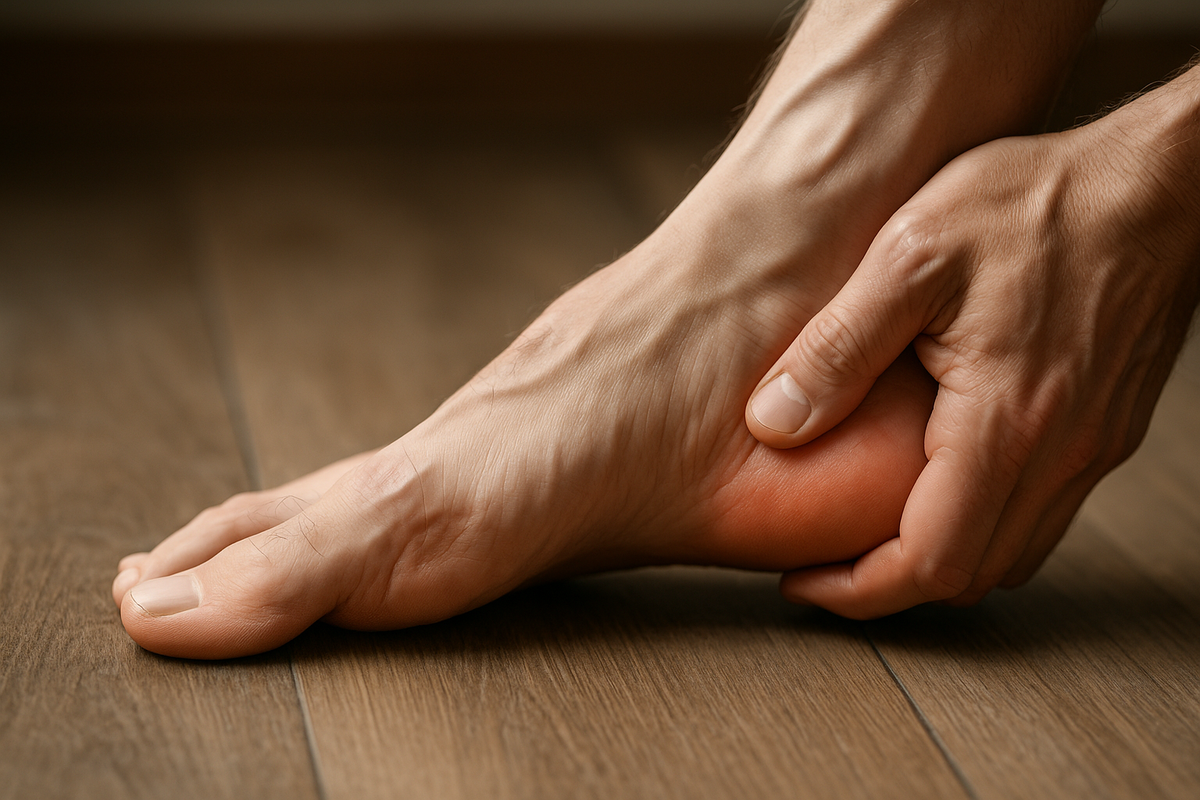
Pain on the outside of the foot means pain that is mainly felt along the outer (lateral) part of the foot. It can come from a single episode of overdoing it or from a longer period of repeated strain. It typically feels like soreness that gets worse with certain movements, especially when the foot takes extra load. You may notice it when walking and in other activities where your feet do much of the work.
- The pain can vary in intensity during the day
- The discomfort can get worse with repeated strain
- Certain movements can make the pain noticeably worse
Many people want to understand why this part of the foot in particular is so prone to pain. It can be a combination of overuse, a change in how you place your foot, or an earlier overuse injury. Once you have a clearer picture of what is actually going on, it becomes easier to take sensible precautions and adapt your daily routine. Knowing more can help you adjust your daily activities and stop the discomfort from turning into a longer-lasting problem. That understanding can also bring a sense of calm and reassurance when sore feet affect your day.
Common causes of pain on the outside of the foot
Pain on the outside of the foot often shows up with repeated strain or extra pressure on the outer edge of the foot. Irritated tendons, local overuse and a change in how you place your foot are common causes, and shoes that pinch or give the wrong support can also play a part. Sudden movements or twisting the foot can cause pain too, especially if the muscles and tendons are already tense from everyday activity.
What the pain can feel like
Pain on the outside of the foot can feel like local soreness, stiffness or sharper stabs of pain with certain movements. It can vary during the day and get worse on longer walks, when running or when carrying something heavy. Some people mainly feel it when the foot is under load, while others have a constant, mild soreness that can feel stronger after being active for a long time.
Everyday factors that can affect the discomfort
Several things in daily life are often linked to more pain on the outside of the foot. Your choice of shoes, the surfaces you walk on, sudden changes in how active you are and repetitive movements at work can all affect how quickly the pain develops. Tension higher up in the body can also play a part: strain and muscle tension in the back, neck, shoulders and legs often affect how much load the foot has to carry.
Easing the pain and taking the pressure off in everyday life
Combining rest for the foot with targeted relief can make everyday life easier. Taking the pressure off means reducing direct pressure and repeated strain on the painful side of the foot, and spreading your weight and movement so the foot gets a chance to rest. Massage and warmth can loosen tense muscles, boost circulation and make the foot feel more comfortable, while short breaks from demanding activities often ease the pain.
Typical activities that can make the pain worse
- Long walks or runs on hard or uneven ground
- Working on your feet without being able to change position
- Frequent sideways movements or sudden turns
Daily habits that can affect your feet over time
In everyday life, small habits often play a part in how pain on the outside of the foot develops. Repetitive movements, standing in the same position at work and wearing the same type of shoes for a long time can gradually change how load is spread across the foot. This often shows up as lasting soreness or discomfort that comes and goes depending on how active you are and how much you rest.
Surfaces, shoes and wear patterns
The ground you walk on and the kind of shoes you wear often affect how pressure and friction are spread along the edge of the foot. A worn sole or stiff materials can change the way your foot moves. Over time, such changes can affect how often and how hard that area is loaded, so always wearing the same shoes or putting more weight on one side can matter in the long run.
Posture, compensation and tension
Foot pain is often linked to how you move higher up in the body. If your hip, knee or ankle compensates for something, it can change the load on the outside of the foot, and tension in the leg and calf muscles can show up as a change in how you walk or as extra stiffness. Stress can also affect muscle tension and how much discomfort you feel in your body in general.
Signs of change over time
- The pain varies in intensity from day to day or week to week
- Your shoes wear differently, or the pressure feels uneven when you put weight on the foot
- Your walking becomes less even after being active for a long time
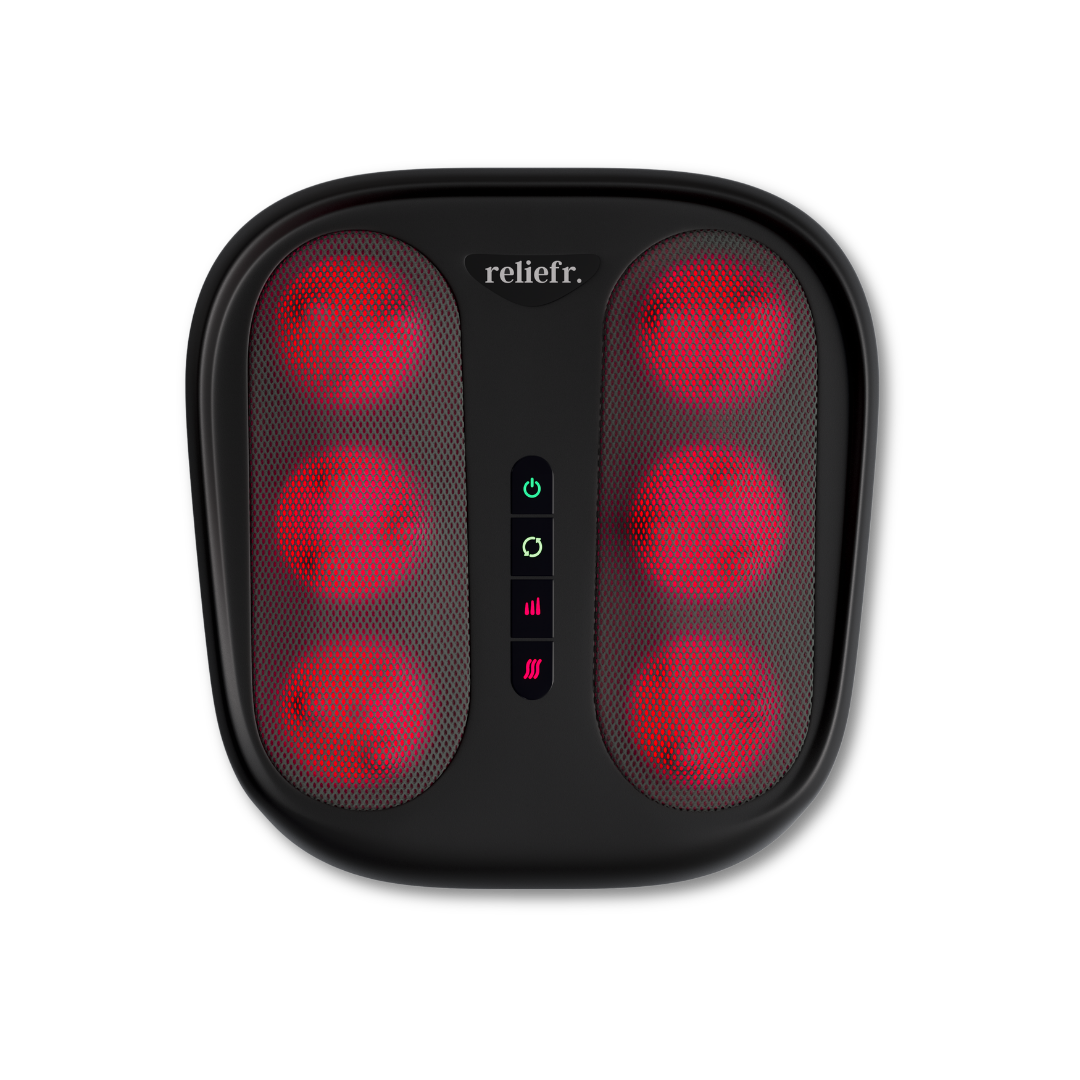
Paying attention to these things can show you which patterns keep coming back, although it does not necessarily tell you the cause in each individual case. If you would like to see what is available, Reliefr has products for foot massage and support: https://reliefr.com/collections/fodmassage
Frequently asked questions
How can I tell tendon pain from nerve pain?
Tendon-related pain often shows up as local soreness that gets worse with certain movements, while nerve-related pain can feel like stabbing, tingling or pain that spreads. How the pain changes over time and with different kinds of load can give useful clues.
Can massage or warmth ease the discomfort?
Many people find that massage and warmth give temporary relief by easing muscle tension and boosting circulation in the area. How much it helps, and how quickly, varies from person to person.
What kinds of products do people look for when the outside of the foot hurts?
People often look for products that cushion pressure and give support and comfort, as well as devices for massaging a specific area. Insoles, massagers and heat products are common choices for anyone exploring what they can use at home.