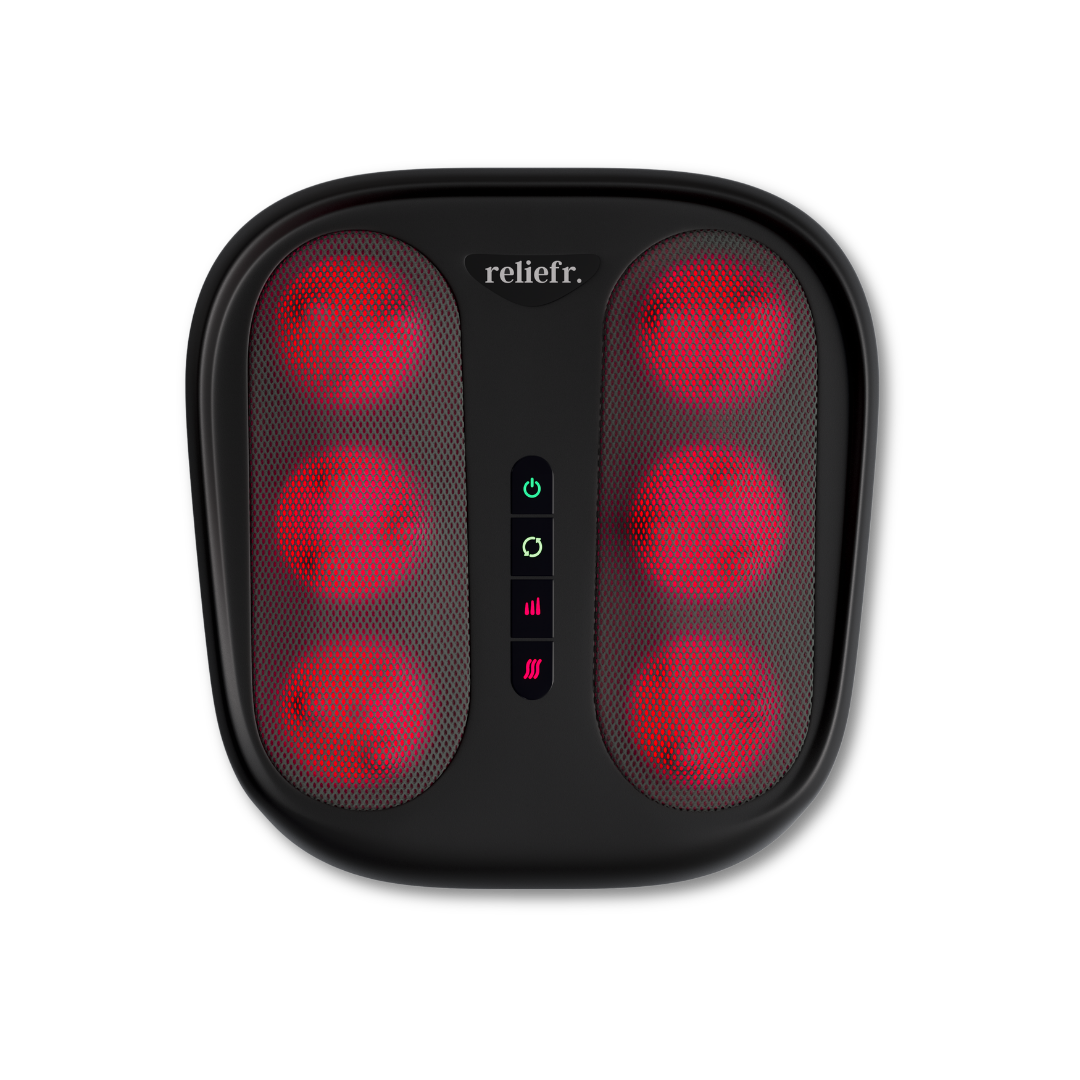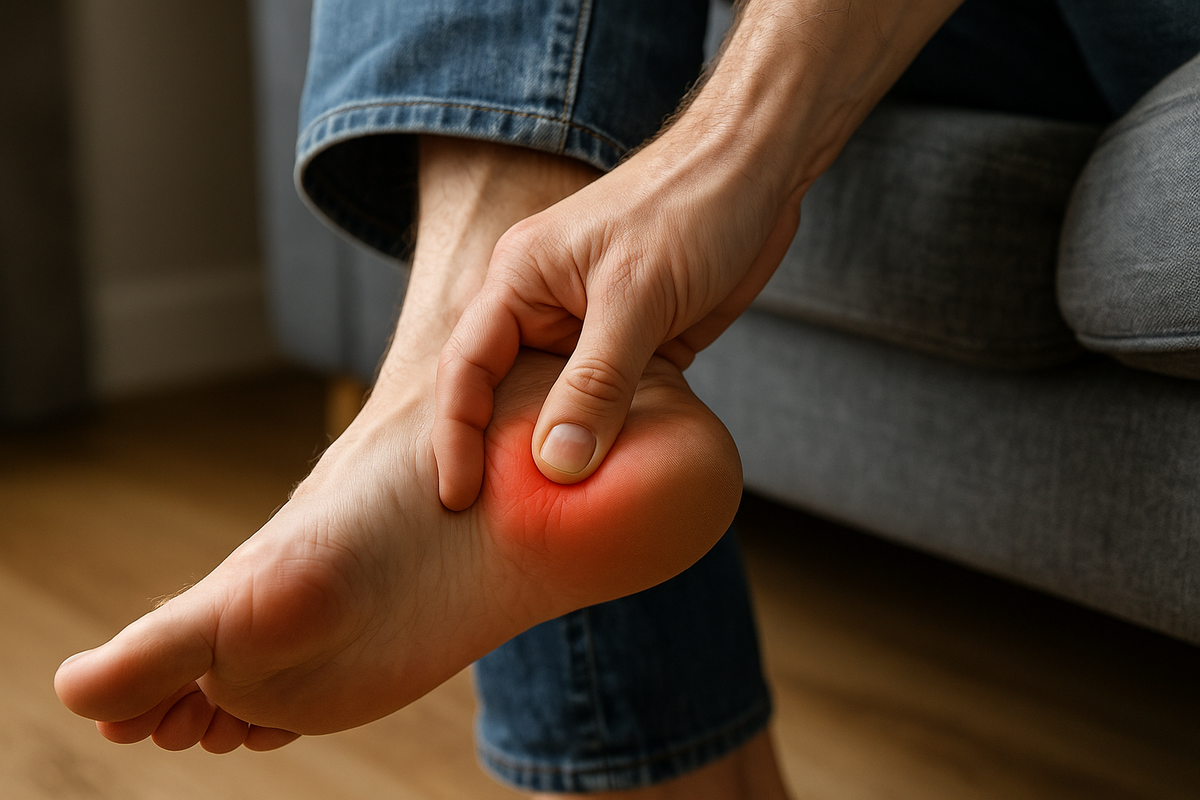
Many people get pain in the heel at some point, and it can make everyday life much harder. Heel pain often comes on after a long day on your feet or after extra strain, for example from sport or from work that is hard on the feet. It can feel like a lingering soreness or a sharp pain that makes everyday tasks less comfortable. Because it can affect both your free time and how easily you move about, it is natural to want to learn more about it when it starts. Many people only really notice heel pain once it begins to get in the way of daily life, and it can be stronger or milder depending on how the load on the foot is spread over the day. Some feel it most in the morning, others more after long periods of activity.
What is heel pain?
Heel pain covers a wide range of discomfort, and it can have several different causes. For many people, heel spur is one of the best-known. It is often linked to inflammation in the connective tissue that runs along the heel, and it is felt as a sharp pain when the heel takes weight. Another common cause is plantar fasciitis. Here, irritation in the band of connective tissue that runs from the heel to the toes causes soreness and stiffness, especially after you have been still for a while. It can feel like burning or throbbing that is worst with the first steps in the morning and eases a little once you get moving.
Heel pain can feel very different from one person to the next. Some have a constant, low-level ache, while others get sudden, intense bouts of pain. Heel pain is often linked to how the foot is loaded in everyday life and how much support your shoes give. It is the pain itself that makes most of us want to understand why it happens and how best to ease it. The better you understand what heel pain involves, the easier it is to weigh up different ways to make everyday life more comfortable and ease the discomfort, even though there is still no single method that takes the pain away completely.
What does heel pain involve?
Heel pain covers several types of discomfort in and around the heel. Common causes include strain from repeated loading, irritated connective tissue and tense muscles around the foot and lower leg. The pain can come from underneath the heel, from the back of the heel near the Achilles tendon, or from the soft tissue around the heel. In everyday life, heel pain is often linked to changes in how active you are, standing for long periods or wearing shoes without enough support.
How does heel pain usually show itself?
Heel pain can show itself in several ways. Some people feel a sharp pain in one spot with the first steps after rest, while others notice a vaguer, throbbing soreness that builds up gradually over the day. The pain can get worse with long periods of walking or standing and can feel different when running or jumping. Many people feel stiffer after being inactive, and the area can be tender to pressure. Tight calf muscles can make the pain feel more spread out and harder to pinpoint.
How common is heel pain?
Heel pain is a common complaint at many ages and can affect how easily you move and how you feel day to day. People who are very active, who stand a lot at work or who carry extra body weight are often mentioned as more at risk. Many find that a single period of strain, or strain that keeps repeating, can bring on symptoms that make everyday things like shopping, going for walks or climbing stairs harder.
What can cause heel pain in everyday life?
Several everyday factors can put more strain on the heel and so lead to pain. Typical examples are shoes without enough support, long periods on hard floors, sudden changes in exercise habits and extra body weight. If tiredness in the lower legs and tight calf muscles go unnoticed, the load can end up moving through the foot in the wrong way. Jobs with repetitive movements or a lot of standing can make the pain more noticeable day to day.
Types and variations of heel pain
The pain can range from tenderness in one spot on the sole of the foot to pain at the back of the heel, where the tendon attaches. Some describe a burning feeling, others a sharp, stabbing pain when they put weight on the foot. Heel pain can also be linked to tension in the legs, feet, back, neck or shoulders, when a changed way of walking, or compensating for the pain, puts strain on other parts of the body.
Paying attention to heel pain day to day
Once you know the causes and typical symptoms, it can help to notice the everyday patterns that develop over time. The same sensations or changes in the pain often come back, and they can tell you something about how the load is spread. For example, some people find the discomfort changes after long spells of standing at work, when they switch shoes, or when they become more or less active over several weeks.
Habits and small signs that can change over time
Several things can gradually start to matter. How you sleep and rest can affect how stiff you feel in the morning. Stress and general tiredness can change how you feel pain, and the way you spread your weight in everyday movements can slowly shift the load to other parts of the foot. Over time, repeated movements can create patterns where periods of comfort and discomfort take turns.
Massage and support in everyday life
Many people find massage soothing, and it can make the foot feel more mobile for a while. Massage can help the muscles around the calf and under the foot feel more relaxed, and how it feels depends on how firm it is and how often you use it. Supportive aids, such as soft or firm materials in your shoes, can also change how comfortable you feel, and it is common for people to get used to a particular kind of support in daily life.
Things to keep in mind over time
- Noticing how the pain changes over days and weeks
- Paying attention to changes in your shoes and the surfaces you walk on through the seasons
- Noting any link between your stress levels and how you feel the pain
These points are meant as general things to keep in mind day to day, not as instructions to do anything specific. Being aware of patterns can give you a clearer picture of how the discomfort affects the way you move and how you feel.
Frequently asked questions
Which exercises can help with heel pain?
Exercises are often mentioned when it comes to relief, and many people say that movements focused on the foot and lower leg change how stiff and sore they feel. Over time, exercises can be a way to influence how the foot is loaded and how mobile it is, but how well they work varies from person to person.
How can shoes affect heel pain?
Shoes play a part in how the load on the heel is spread. The material, the heel height and how worn the shoes are can change both comfort and the way your foot works in everyday movements. Even small changes in your choice of shoes can therefore make a difference to how the discomfort feels.
Can massage affect how long the discomfort lasts?
Some people feel that massage brings immediate relief, while for others the effect does not last as long. How you feel after a massage can vary with the technique and how often you have it, and massage often seems to affect both tension in the area and how you experience the pain.
.