Many of us know the feeling: long hours at a desk or hard physical work can leave the neck, shoulders and back tense and uncomfortable. Soreness and stiffness often set in after a working day or a sporting effort. That is why massagers for home use have become a popular choice for people who want an easy way to ease muscle tension and relax. With growing interest in personal well-being, more people are looking at how they can make everyday life a little more relaxed themselves. Many find that a massager adds to their sense of well-being, without having to leave home or book an appointment with a professional. Because they are practical and the settings can be adjusted, these devices appeal especially to people who want to ease the typical tension that comes from office work or other daily strain. A machine massage can help make everyday life more comfortable, and simple controls with plenty of settings mean it can suit different needs.
It helps to understand how a massager can make a real difference if you often have tired muscles and a tense body. Whether you want to shake off the tension left over from a hard day or keep everyday muscle fatigue at bay, this kind of treatment at home is what often catches people's interest. Advances in technology have made massagers easier and more intuitive to use, so they fit naturally into an active life where relaxation and recovery matter.
What is a massager?
A massager is a device that imitates techniques you know from a professional massage. It often focuses on specific parts of the body, such as the neck, back or feet, and may offer heat and different intensity settings. The movements and the heat work together to give a feeling of well-being and pain relief. Many models also offer different types of massage, such as shiatsu or compression, and each can be adjusted to your needs. Because you can adjust both the intensity and the heat, a massager becomes a practical tool against everyday muscle tension. It can be a good addition to an active lifestyle if you want to ease the typical tension that builds up after a long working day or repeated strain. By working on the areas that are often especially tense, a massager makes it easy to relax at home.
How do tension and pain show up?
Muscle tension often shows up as stiffness, soreness and reduced movement in the affected area. Many people find that their neck and shoulders get tired after long spells at a desk, while the back can feel sore after repeated lifting or sitting for a long time. In the legs and feet, tension can feel like heaviness or local pressure after long walks or a day of standing at work. The symptoms can change during the day and may feel like tightness, tenderness when you press on the spot, or general tiredness in the muscles.
How common are massagers?
Massagers have become more common in people's homes. Many choose one as a practical way to find pain relief and relaxation without having to plan an appointment away from home. They are often used after a working day or a workout, and you will find them in living rooms, in home offices and in use during leisure time. Another trend is that people choose different devices depending on which areas bother them most, so the focus is usually on the neck, back, shoulders and feet.
What can affect the need for a massager?
- Desk work and long hours in front of a screen can increase the need for regular pain relief and rest for the muscles.
- Repetitive movements or physically demanding tasks can lead to more lasting muscle tension.
- Stress and poor sleep can make muscles more sensitive and so affect how often you feel discomfort.
- Footwear, the way your body takes the strain and standing for long periods can make feet and legs more tense.
Different types and what they are typically used for
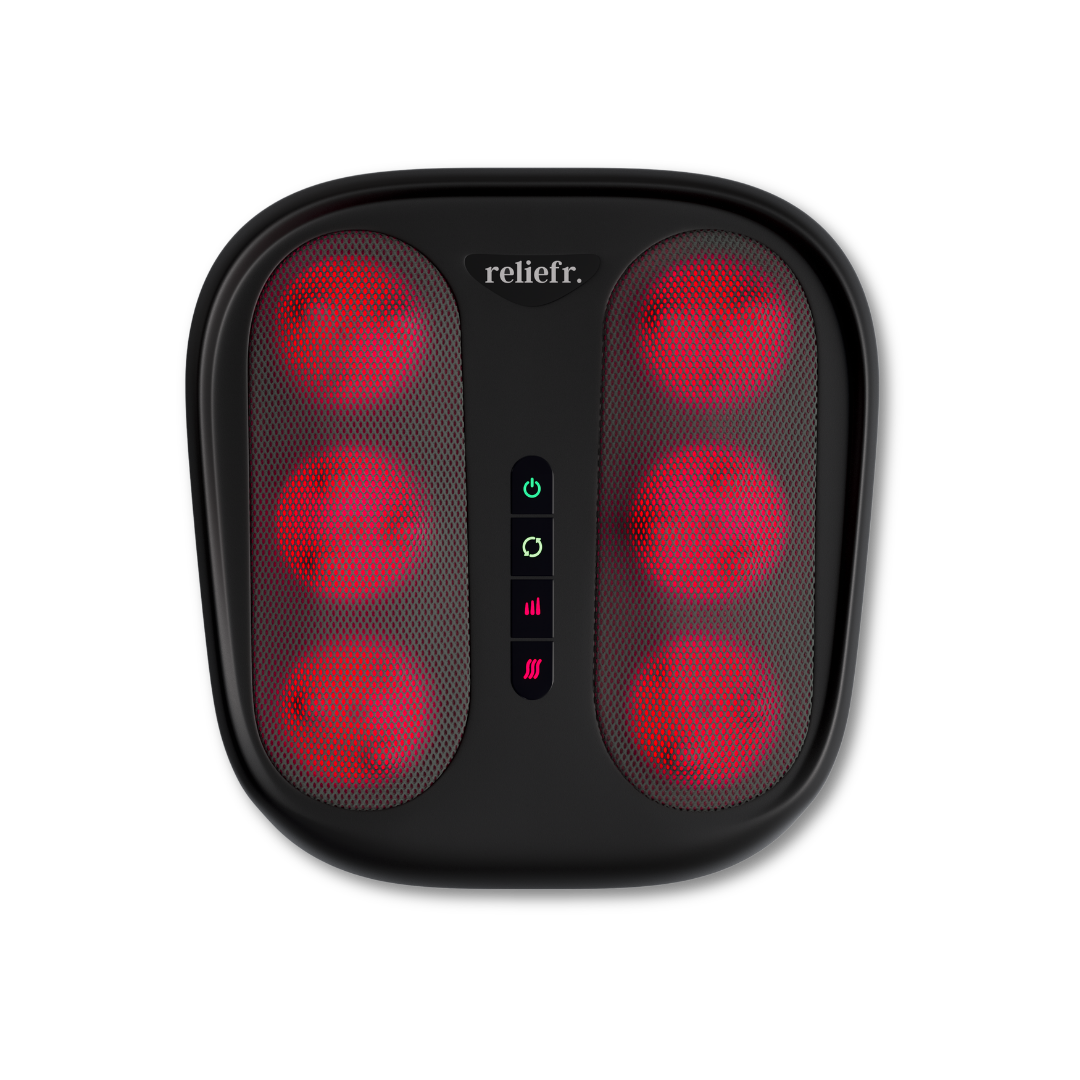
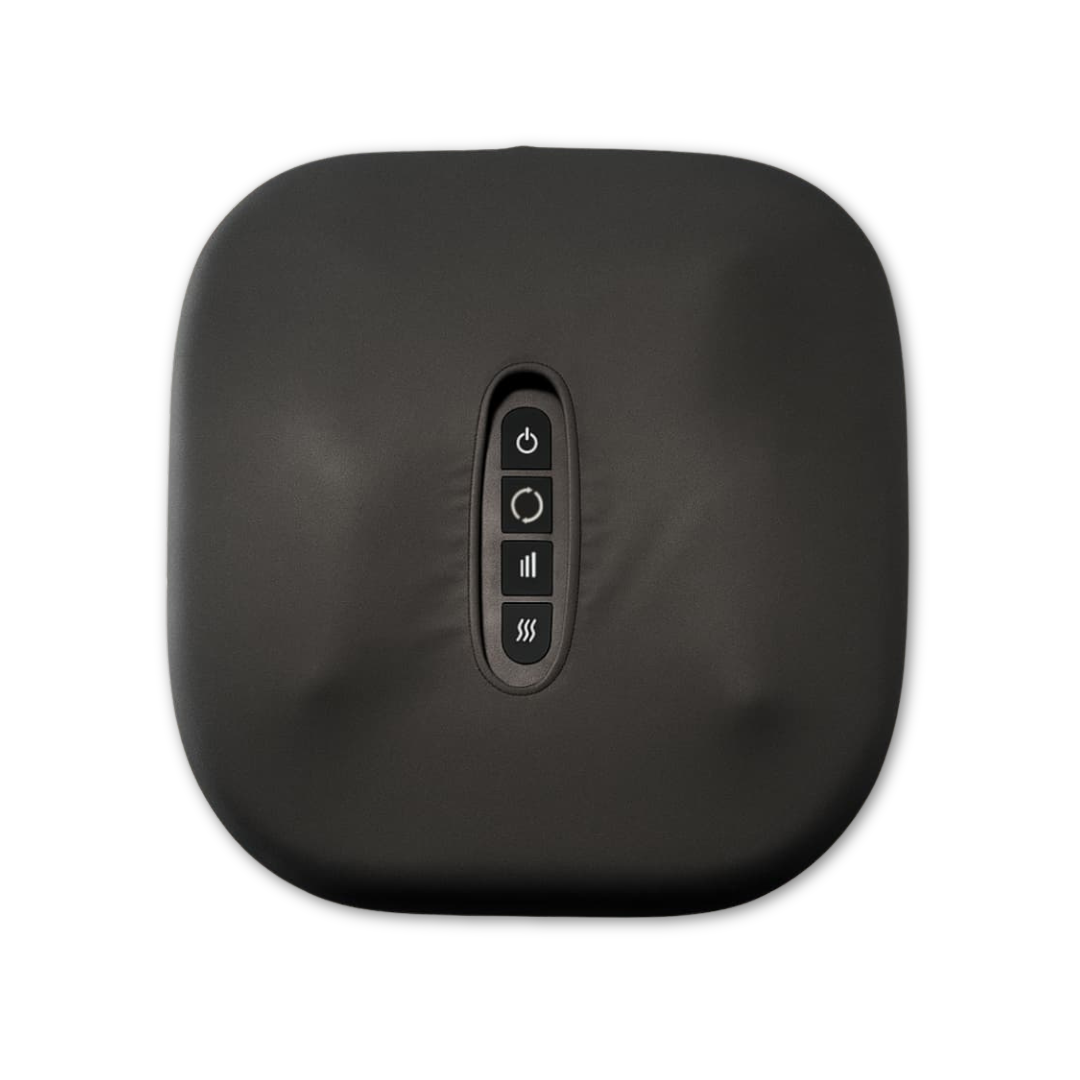
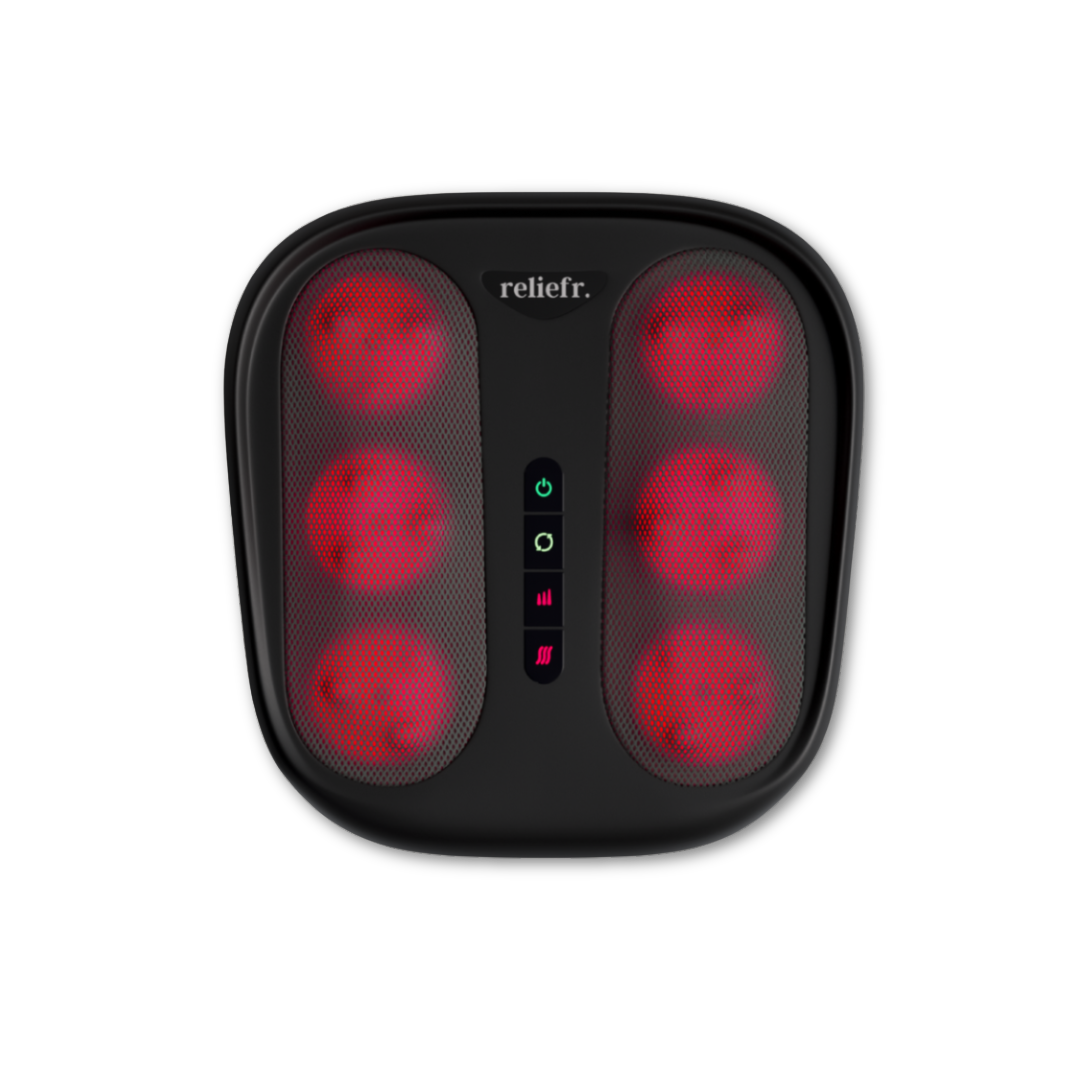
Some devices are designed especially for the neck and shoulders and focus on loosening up the area around the neck and upper spine. Massage gun-style devices target deeper muscle tension and often work on knots in the back, shoulders and thighs. Foot massagers are made to relieve tired feet and help you feel better after days on your feet or long walks. There are also massage pillows and cushions that cover a larger area, such as the lower back or the whole back, and can give broader relief in everyday life.
Everyday things that can make a difference
In everyday life, small habits and your surroundings often shape how you experience tension and the relief a massager gives. Where you keep the device at home, and how visible and easy to reach it is, often affects how often you use it. In the same way, what you wear while using it and how you sit can affect how well it seems to work over time. Using a massager in a quiet room can make the experience better, while a busy environment can make it less inviting.
- How easy it is to get to at home, and how often it is close at hand
- Changes in your working positions and breaks during the day, which affect the need
- Your posture in general and how your body feels at different times of the day
- What you wear and what it is made of, which can affect comfort where the massager touches you
- How sharing a massager in the family affects how often it is used and which settings are chosen
Habits and patterns worth noticing
Some patterns only become clear after weeks or months. For example, you may come to prefer a different intensity, or the time of day when a massager feels most useful may change. This can reflect changing needs linked to work or sleep patterns, and it can affect how regularly you use the device. Certain situations, such as longer days on your feet or more screen work, can also make it more useful.
Practical points at home
Once a massager is part of everyday life, its size and how easily it can be stored make a difference to daily use. How loud it is can decide whether you use it in shared rooms or somewhere more private. Battery life and charging habits can affect whether it is ready when you want it, while the surface material affects both comfort and cleaning. At Reliefr, we often mention these points in our product descriptions as useful information when you choose.
Frequently asked questions
Can several people use the same massager?
It is common for a household to share one device. Covers that are easy to remove and wash, or materials that are easy to clean, can make sharing more practical. Fit and preferred settings vary from person to person, so the experience may differ between users.
What information is worth checking in the product description?
The product description can tell you about settings, battery life, materials and the warranty period. These details can help you judge whether the device suits your daily needs and way of life, although they are not a recommendation for any specific situation.
How can noise affect use at home?
A noisy massager may be less suitable for shared rooms or for times when you want peace and quiet. For some people, a quiet device makes it easier to use it more often, while a louder one may limit use to times when you have the room to yourself.
What do warranty and service say about durability?
A warranty and access to spare parts or service are often signs of a long lifespan. Information about warranty periods and the manufacturer's service options can give you an idea of how well the device can be looked after over time.
.