Many people have pain in the heel, and it can make everyday life hard work. A stabbing feeling is common, especially in the morning or after resting for a while. The pain is often sharp and can get noticeably worse when you are active or standing for a long time. For many, a heel spur is a well-known cause of exactly this kind of pain, so they look for information to understand the condition better. Knowing the basics gives you an overview of how a heel spur affects daily life, and why it is often mentioned alongside other kinds of foot pain. This introduction starts with the facts, before we look more closely at what a heel spur is and how you can work on easing the pain.
What is a heel spur?
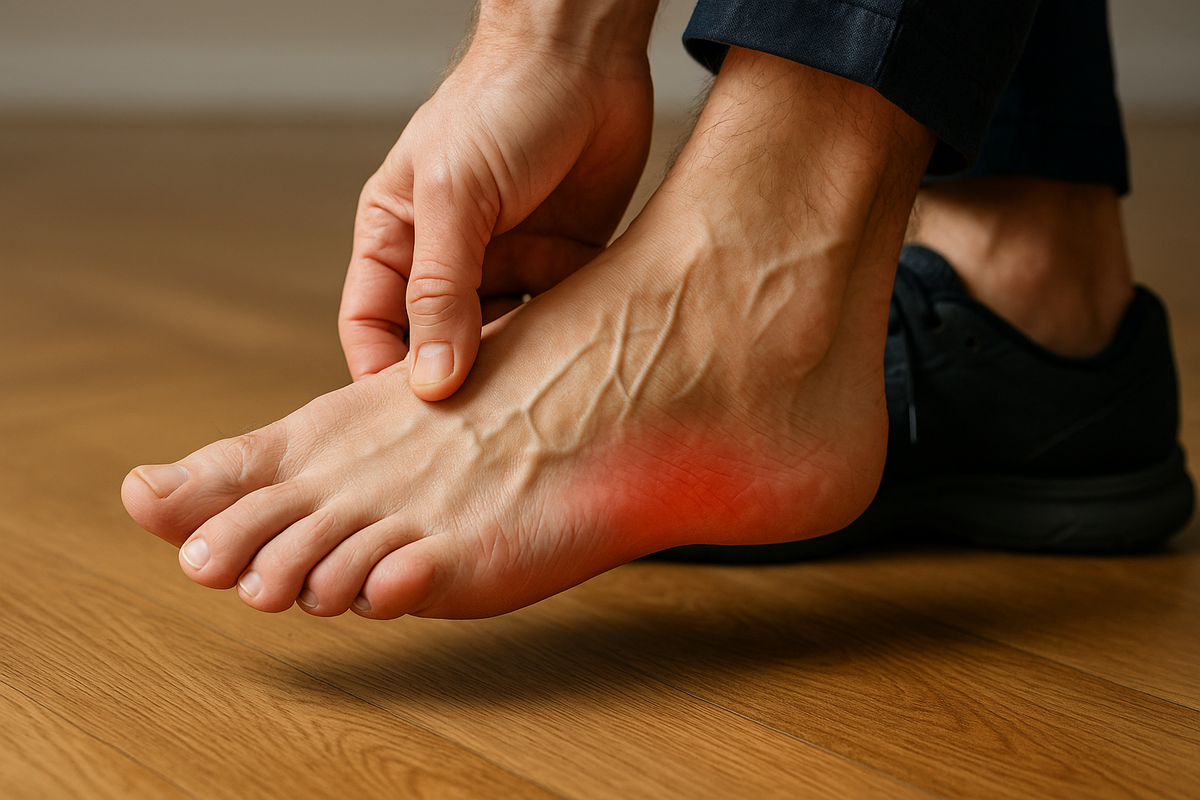
A heel spur is a kind of calcium deposit or bony growth on the heel bone. It usually develops from repeated strain or overuse of the foot. Many people find the pain is at its worst in the morning, when the feet are cold, or after a long rest, which makes the first steps of the day especially hard. It can feel like a sharp, stabbing pain that sometimes eases once the foot is moving, but soon comes back if the strain continues.
Heel spurs are often linked to overloading of the underside of the foot, where the pad of the foot takes repeated pressure. The condition is common both among people who do sport and among those whose daily work is physical and asks a lot of their feet. Many people with heel pain look for information because the pain can affect both their work and their free time. That is why it helps to understand the basics of what a heel spur is and how it usually shows up in daily life.
- The pain can feel sharp and stabbing
- It is often felt in the morning or after resting
- It is often linked to repeated strain on the foot
With these basic facts in mind, it is easier to see how a heel spur can show up in different everyday situations. The aim here is to give an overview of what a heel spur involves, and why so many people with heel pain want to know more about it.
How the pain usually shows itself
Pain from a heel spur often comes as a sharp, stabbing feeling under the heel, especially with the first steps after rest. You may also feel it on longer walks or when you stand in the same position for a long time. Besides the heel itself, the discomfort is often linked to tension in the calf and feet. Some people also start to walk differently, which can affect the knees, back or hips.
What often affects how bad the pain is
Several everyday things can affect how intense the pain feels. Repeated strain on the foot, shoes without enough support and extra body weight can all make it worse. Jobs or hobbies with a lot of standing or long walks often go hand in hand with more frequent and longer-lasting bouts of pain. Changes in the surface you walk on and in temperature can also affect how the pain feels.
Types of muscle tension linked to heel spurs
With a heel spur, muscle tension usually shows in the connective tissue of the foot and around the calf muscles, but it can also build up higher in the leg and as sore points in the back. Some people feel tightness in the calf, others notice tenderness in the arch or under the foot. The tension can be constant or come and go, and it often affects how freely you move and walk in daily life.
Everyday relief and taking the load off
Without going into specific methods here, there are several ways to find relief and take some of the load off your feet in daily life. Massage and local warmth can help to ease muscle tension and boost blood circulation around the heel. Better support in your shoes, or changes to the way you stand and walk, can reduce the pressure on the pad of the foot and so ease the pain in everyday life. Together, less strain, less tension and some local warmth help with both pain and discomfort.
What to look out for in daily life
In daily routines, it is often small things that happen again and again that affect how heel pain develops over time. Small changes in how you stand and walk, the length of your working day or how often you go on long walks can all play a part in how the discomfort shows. In the same way, walking on different surfaces over a week can change how much strain your feet have to take.
Habits and how they can show
- Wearing the same kind of shoes all week can lead to the same strain and wear day after day
- Standing for long periods on hard floors can go with more discomfort
- Switching often between soft and hard surfaces can change how your feet are loaded
These habits show up as patterns in when pain or stiffness appears, and it can be useful to note them down to get a picture over a longer period. It is less about single episodes and more about what keeps coming back over weeks or months.
Other things that can matter over time
Worn outsoles and changes in how your shoes fit can slowly change the load on your feet. Changes in your daily rhythm, such as more standing during a busy spell at work or longer walks in your free time, often go with changes in how the pain feels. Seasonal things like temperature and humidity can also affect how sensitive the tissue is, and so how the discomfort feels at different times of the year.
General points without specific advice
It can help to look at patterns rather than single days, and to notice whether the pain changes in character over a longer period. Keeping simple notes on your activities, your shoes and when the discomfort comes can give you a clearer picture of what tends to go with changes in your symptoms.
Frequently asked questions
How quickly can the symptoms change?
Symptoms can change over days or months, depending on what varies in your daily life. In some periods the discomfort may be stronger, in others less noticeable.
Can you have a heel spur without feeling pain?
Yes, you can have a growth on the heel bone without constant pain. For many people it only shows when the strain on their feet changes, or when other strain factors start to play a bigger part.
What can I note down to keep track of how things develop?
Keeping a running note of what you do, which shoes you wear and when the discomfort starts can show you patterns, without pointing to specific solutions.
.