Many people have pain in the arch of the foot, and it is often noticeable in everyday life, especially after standing for a long time or going for walks. The pain can be frustrating, as it gets in the way of daily activities and makes even simple movements less comfortable. For some, it is worst with the first steps in the morning. For others, it builds up during the day as the foot is under strain for hours. It is natural to wonder what is behind the feeling under the arch: is it simply overuse after a busy day, or is it about the way the foot is loaded during certain activities? This kind of pain can affect your day, because it stops you from fully enjoying both rest and movement. It can also leave you worrying that something more serious lies behind it.
Because arch pain is so common, many people want to know more about it. A basic understanding of what the pain is about can be reassuring, as it makes it easier to describe your symptoms and take a calm, clear look at your situation. By looking more closely at how the pain feels and which everyday situations make it worse, you can get a sense of how much it affects you and what small changes might make your days more comfortable.
What is arch pain?
Arch pain is pain that is usually felt on the underside of the foot, where the arch is. It can come on when the foot is under more strain than usual, and it is often more noticeable after a period of rest, for example with the first steps in the morning. The pain often varies in strength and can feel different depending on what you are doing. For some it starts as a twinge that slowly grows. Others feel a sharp pain when they put pressure on the foot. Knowing how the pain starts and when it tends to appear can help you understand what is going on under your foot, and why arch pain becomes part of everyday life.
Causes of arch pain
Arch pain is often linked to strain on the underside of the foot. Common causes include standing or walking for long periods, a sudden increase in activity, and the arch carrying more of your weight than it normally would. Tight calves and tense muscles under the foot can also put extra pressure on the plantar fascia. Body weight and shoes without enough support can make the symptoms more noticeable too.
How the pain shows in everyday life
The pain can show up as stiffness or a sharp feeling with the first steps in the morning or after a long rest. Many people feel a pressing or burning sensation when they put weight on the foot, and the pain can be worse after long periods of standing or walking. The arch may feel tender when you press on it, and you may notice tense muscles in the lower leg at the same time.
How common is arch pain?
Many people go through periods of arch pain, often when their activity levels change. People whose work or hobbies involve a lot of standing or walking often say the discomfort comes and goes. How often it appears depends on the strain on the feet, and depending on daily habits, the symptoms can come and go or be there all the time.
Everyday factors that can make the pain worse
Shoes without support, hard floors and work that keeps you lying or standing for long periods can make the pain more noticeable. A sudden increase in strain, such as longer walks than usual, can make it worse. Tension in the legs, for example in the calves and thighs, can increase the pressure on the arch and so affect the pain. Problems with the back, neck or shoulders can also change the way you walk, and with it the load on your feet.
How the pain can vary
The pain can range from short, stabbing twinges to a more lasting, dull ache. Some people notice it clearly gets worse with certain movements or activities, while others have a more constant discomfort. How strong it is and how long it lasts can change from day to day, depending on overall muscle tension in the leg and foot and how much strain your feet are under.
Worth keeping an eye on
If you get arch pain regularly, it can help to look for patterns rather than a single cause. The pain feels different from person to person, and certain everyday conditions tend to affect how it develops over time. Long periods of standing, repeated strain during the working day and using your feet in the same way all the time are often linked to changes in how the pain feels.
How hard the ground is, how varied your movements are during the day and how sensitive the arch is are also connected. Some people find that uneven ground or switching often between walking and standing makes the pain come and go more. Over the months, changes in weight, worn-out shoes or a change in the way you walk can affect how the arch copes with strain.
- Daily habits that affect how weight is spread across the foot
- Varied use of the feet at work and in your free time
- Gradual changes in physical demands over time
- Changes in how you rest and recover
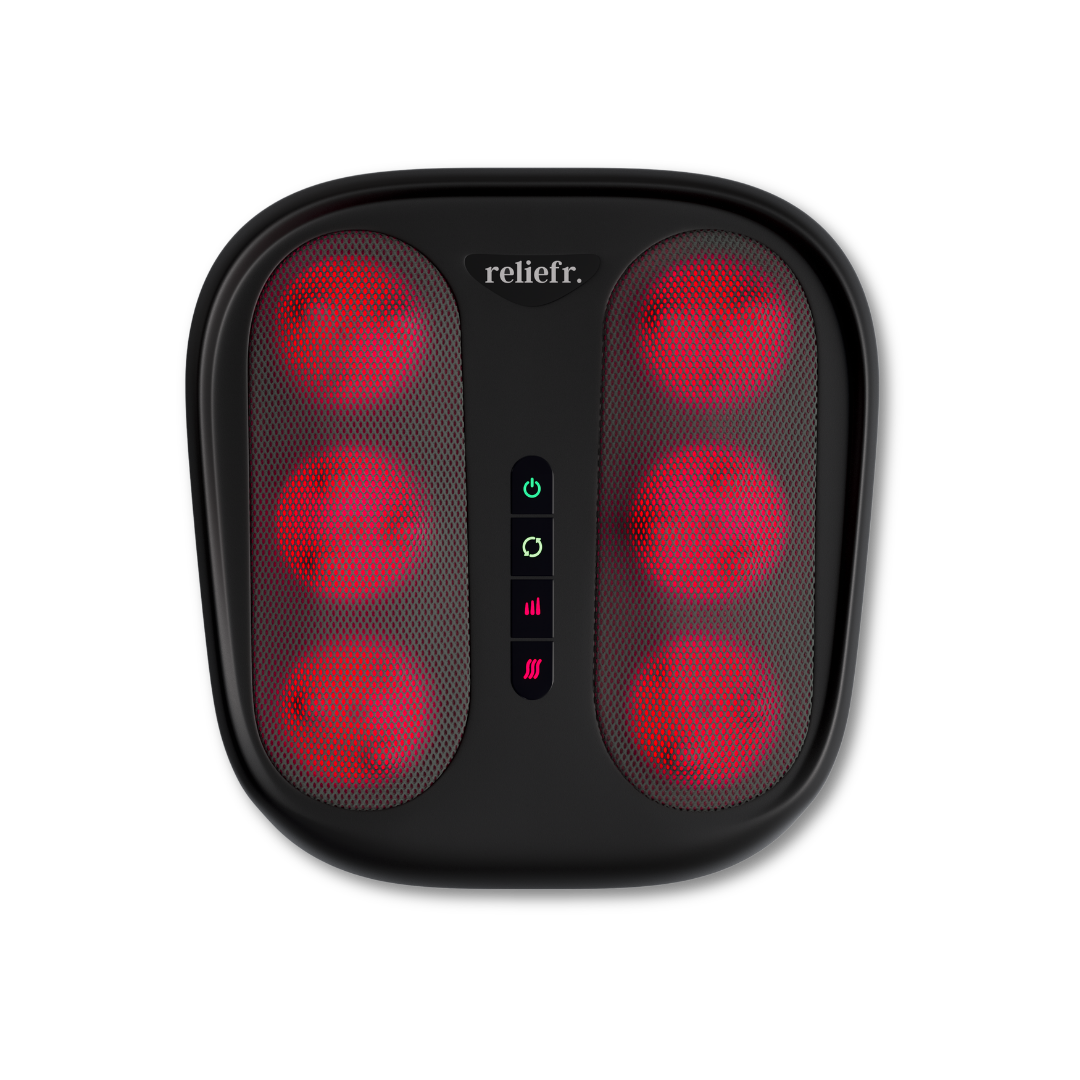
Massage and taking the load off your feet can make a difference to how tense the foot and lower leg feel. Massage often affects blood circulation and muscle tension, and many find it a way to ease stiffness. Taking the load off changes how weight is spread, which can show up as changes in your symptoms over time. Some Reliefr products are described in this context as aids for use at home, but this article focuses on observations rather than specific recommendations.
It is also worth noticing how your daily patterns change over weeks and months. Busy periods often come in phases, and quieter periods afterwards can change how the pain feels. Writing down patterns that keep coming back can give you a clearer picture of what makes the pain better or worse.
Frequently asked questions
How can massage affect how pain feels?
Many people find that massage eases pain by relaxing tense muscles and affecting blood circulation in the area. After a massage, many describe feeling less stiff and able to move more freely, which can change how the pain feels overall.
Can sleep and recovery play a part in arch pain?
Sleep and recovery are often linked to how well the body copes with strain. Getting enough rest can affect how tiredness and tension build up in muscles and tendons, and so how arch pain shows itself in everyday life.
How can changes in activity affect how long the discomfort lasts?
Changes in how active you are can make the symptoms vary over time. Periods of extra strain can make the discomfort last longer, while longer periods with less strain can change how the pain feels, although it does not always develop in a steady way.
.