Many people have aching feet in everyday life, and it is common to feel some discomfort when your feet are overworked or strained by daily activities. The feeling varies, and most of us have at some point had soreness or stiffness that affects how we move and how we feel. This kind of discomfort can come after long periods of standing or walking, or after a sudden change in how active you are. It can build up into a general feeling of tiredness and discomfort that affects your overall quality of life.
What is foot pain?
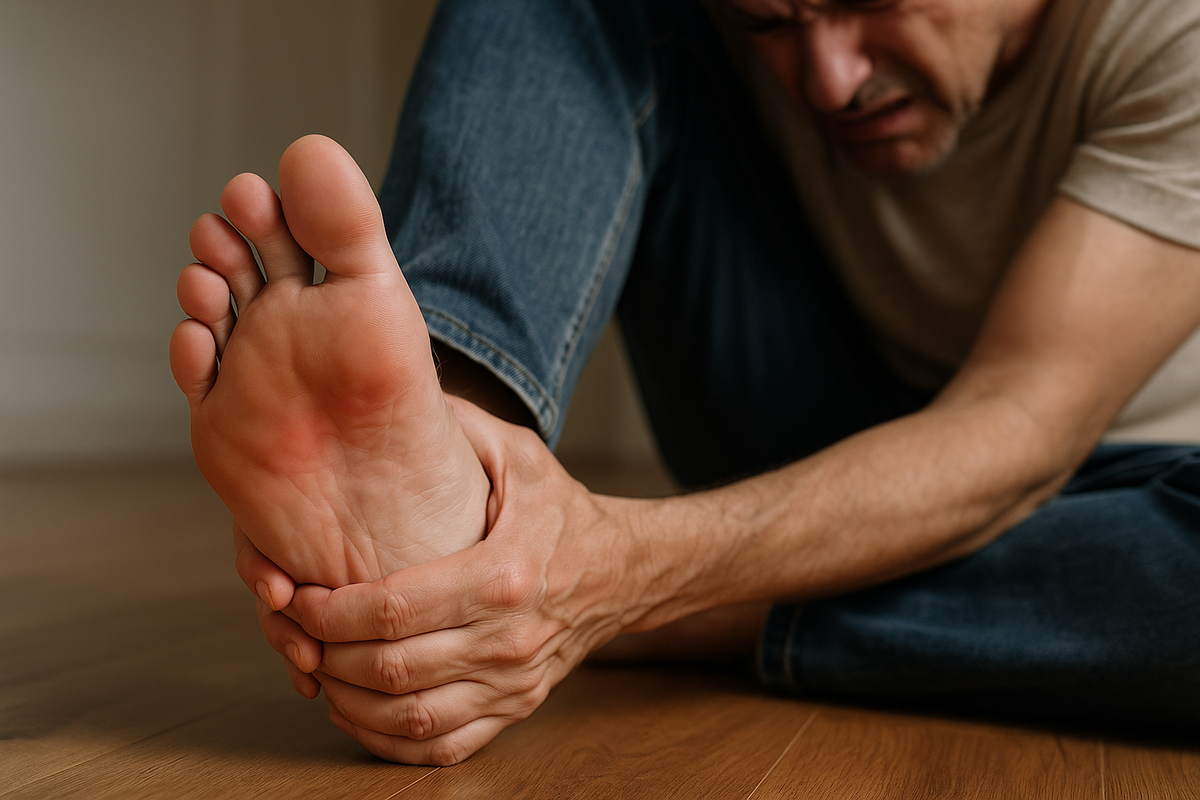
Foot pain covers discomfort and soreness felt in one or more parts of the foot. It is often linked to overuse, but it can also be connected to changes in how your feet are loaded during daily activities. Many describe it as a constant soreness or a stabbing pain that comes and goes, which can make it hard to keep up a normal daily routine.
People experience it in different ways. For some it is a mild, nagging soreness after a long day, while others get sharper, more pronounced pain that makes it hard to move freely. The pain can come from overuse, when repeated activity or long hours of standing strain the muscles and joints of the foot. In some cases inflammation can also develop, which makes the pain and discomfort stronger.
When the pain keeps coming back and gets in the way of daily life, it is natural to want to know what lies behind it. Many people notice a link between how they load their feet and when the pain appears. Whether it is everyday activities, sport or work, it helps to understand what the pain involves and how it usually shows itself. That understanding makes it easier to recognise and manage the discomfort before you look for ways to relieve it.
Causes of foot pain
Foot pain often has several causes at once, and the way you load your feet and repeated activity play a big part. Uneven weight distribution when walking or running can put more pressure on certain parts of the foot, and long periods of strain leave muscles and tendons more tired and tense. Sudden changes in activity, such as walking or standing more than usual, often go hand in hand with more discomfort.
How does the pain usually show in everyday life?
The pain can show as stiffness in the morning, soreness after standing for a long time, or a sharp feeling with the first steps after rest. Some feel a throbbing or burning sensation after repeated strain, while others notice local swelling or tired feet. The intensity can vary through the day and is often worse at the end of a busy day.
How common is foot pain in daily life?
Foot pain is common both among people who are physically active and among those who sit at work, because strain arises in so many different situations. Many have recurring discomfort during busier periods or in jobs that mean long hours on their feet. It often happens more when you get less rest or when your daily habits keep changing.
Everyday factors that can affect how much it hurts
Your choice of shoes and the surfaces you walk on often affect how quickly the pain gets worse during the day. Hard floors, long walks and lots of standing can make the pain more noticeable, and extra body weight and tired lower legs can also play a part. Too few breaks or long hours of standing work can build up tension in the muscles and surrounding soft tissue of the foot.
Muscle tension and links to other parts of the body
Tension in the calves and lower legs is often linked to more pressure on the feet and can show as soreness or reduced mobility. Changes in posture in the back and shoulders can affect the load down through the legs, and tension in the hips can change the way you walk so that certain areas of the foot take more strain. That is why discomfort in the feet often goes together with muscle tension in the back, neck, shoulders or legs.
Worth noticing in everyday life
In daily life, it is often small, repeated things that affect how foot pain feels over time. The pain itself often changes from day to day, in how strong it is, where it is felt or what time of day it appears. These changes are often linked to shifts in routines, working days or unexpected activities.
There are several patterns that are useful to notice, even if you do not act on them straight away. For example, swelling around the ankle or the size of the foot can vary during the day, which you may notice as shoes fitting differently or pressing more. In the same way, long-lasting tiredness in the lower legs can show as warmth or heaviness in the feet.
- The kind of pain, whether sharp, dull or burning, can vary at different times of the day
- The size of the foot and a feeling of tightness can change after longer periods of activity or in warm weather
- Small, repeated movements in daily tasks can, over time, affect which parts of the foot take the most strain
It is also worth paying attention to how sleep, stress and general tiredness affect the way pain feels. Mental pressure and too little recovery can make the same strain feel different from one day to the next. Temperature and season matter too, as warmth can affect fluid balance and sensitivity in soft tissue.
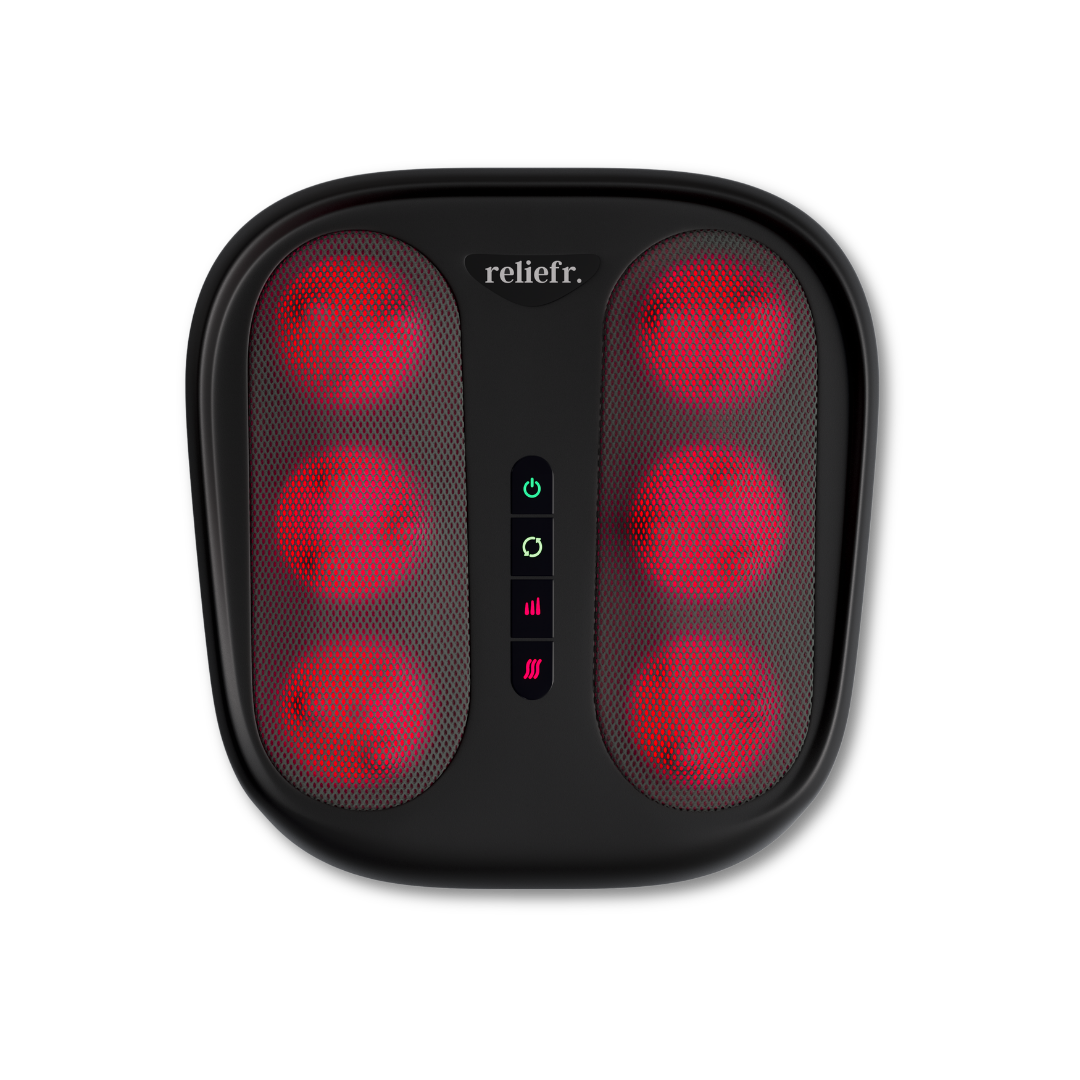
Some people like to use wellbeing products at home, and foot massage is often mentioned in connection with better blood circulation and less muscle tension. At Reliefr you will find products for home use that some people make part of their daily wellbeing: https://reliefr.com/collections/fodmassage
Noticing these patterns can give you a better picture of how foot pain develops over time and help you work out which questions you would like answered. Below you will find some frequently asked questions on the topic.
Frequently asked questions
How does the pain usually vary from day to day?
It can vary with how active you are, how tired you are and things like temperature and fluid retention. Some feel more discomfort in the evening, others when they get going after rest, and the pattern can change over weeks.
Can massage affect how the pain feels?
Massage is often seen as a way to temporarily influence blood circulation and muscle tension, and many people describe feeling more comfortable after a massage. The effect varies from person to person.
What can change how sensitive the foot is during the day?
Factors such as fluid balance, temperature and general tiredness are often linked to changes in sensitivity. Small daily changes in activity can also make certain areas more sensitive over time.
.