Learn more about your pain


Pain under the forefoot: what can it be linked to in everyday life?
Many people get pain under the forefoot at some point, especially after long spells of standing at work, walking or exercise. It can feel like soreness, burning or pressure under the front of the foot, and it can affect how you move during the day. For some people it builds up gradually, while for others the pain becomes noticeable after particular kinds of strain. When pain under the forefoot starts to play a part in everyday life, ordinary things like walking, shopping or spending long periods on your feet can become harder.Often, people only start paying attention to the forefoot when the discomfort keeps coming back or changes the way they walk. The forefoot plays a central role in how the body moves and carries its weight, so even small changes in strain can be clearly felt. That is why it is natural to want to understand what pain under the forefoot might mean once it starts affecting your everyday comfort.What does pain under the forefoot mean?Pain under the forefoot means discomfort in the area under the toes and the front part of the foot. It may be concentrated in one spot or more spread out over a larger area. Some people feel a constant soreness, while others feel stabbing or burning sensations when they put weight on the foot.It varies from person to person and can change with how active you are, your shoes and the surface you walk on. The forefoot is in constant use as you move through the day, which makes it particularly sensitive to repeated strain.How does the discomfort usually show itself?Pain under the forefoot can show up in several ways. Some people feel pain as they push off with each step, while others notice it most when standing still for a long time. The pain may get worse towards the end of the day or after periods of heavy strain, and ease again with rest.Pain feels different for different peopleFor some, the discomfort feels like pressure, while others describe a sharper or burning pain. There may also be periods when it almost disappears, only to come back with repeated strain. Because of this, it often changes from day to day.How common is pain under the forefoot?Pain under the forefoot is a fairly common everyday problem and can affect people of many ages. People who stand or walk a lot during the day are often mentioned among those who have it most. Changes in activity level or daily routine can also play a part in when the discomfort appears.Many people find that the discomfort creeps up on them and gradually limits how freely they move, without there necessarily being one clear cause.What in everyday life can lead to pain under the forefoot?Several things can affect the strain on the forefoot over time. Repeated movements, standing for long periods and hard surfaces can all add to the pressure under the foot. Your choice of shoes can also change how your weight is spread, especially if the fit or support doesn't suit your feet.Changes in the way you walk, your pace or your posture can also shift the strain forward onto the forefoot. These things often build up gradually and only become noticeable when the discomfort starts to affect everyday life.How the discomfort under the forefoot can varyThe discomfort can vary in both strength and location. Some people mainly feel pain under one or two toes, while others feel soreness across the whole width of the forefoot. It can also change with the surface, your pace and how long you are on your feet at a time.In some cases, a change in how the forefoot is loaded can affect other parts of the body, such as the ankles, legs or back, if you change the way you walk to avoid the discomfort.Noticing your daily patternsIf pain under the forefoot keeps coming back, it can help to notice your daily patterns. Many people find the discomfort varies with the time of day, the kind of activity or the shoes they wear. These differences can tell you something about how the strain is spread over time.Small habits that add up over timeSmall things in everyday life can gradually affect the forefoot, such as the way you stand, how you spread your weight between your feet or how often you take breaks. Over time, these habits can show up as changes in comfort and mobility.Footwear and surfaces in everyday lifeThe materials, the build of the sole and the fit can all play a part in how the pressure under the forefoot feels. Wearing the same type of shoes again and again can mean the same strain day after day, while some variety can change how the discomfort feels.Frequently asked questionsWhen is pain under the forefoot usually felt most?Many people notice it most after long periods of strain, such as standing at work or going for walks. For others, the pain only appears towards the end of the day, when the feet are tired.Can pain under the forefoot vary from day to day?Yes, it can change with how active you are, your pace and the shoes you wear. Some days can feel almost free of symptoms, while others bring more discomfort.Is it normal for the discomfort to come on gradually?For many people, pain under the forefoot develops over time. Small changes in strain or habits can slowly make you more aware of the area.What signs might make you pay more attention to your forefoot?Signs can include a change in the way you walk, frequent soreness or needing to take the weight off your foot during the day. Noticing these things can be a reason to think about your daily strains and routines..
Learn more
Foot massager: what is it like in everyday life?
Many people know the feeling of tired, sore or tense feet after long days of standing at work, walking or doing the same movements over and over. It can show up as a vague soreness, tension in the sole of the foot or a general tiredness that affects the rest of the body. That is why more and more people want to know how a foot massager is used and how it fits into a daily routine. Everyone experiences it a little differently, but most share the wish for more comfort and calm in their feet at the end of the day. A foot massager is often used as a way to take a break and give some attention to a part of the body that takes a lot of strain every day.What is a foot massager?A foot massager is designed to work the feet mechanically through pressure, movement or vibration. You usually use it sitting down, and it can be used before or after physical activity or as part of a quiet evening routine. Many people link it with a feeling of relaxation in the sole, heel and arch, but how it feels depends on your own needs and how much your feet go through each day.What people commonly noticePeople describe it in different ways, but some of the sensations mentioned most often are: A deep, pressing feeling in the sole of the foot Temporary relief from tension in the feet and ankles A warm or invigorating feeling afterwards For some, it leaves the feet feeling lighter, while others mainly notice a relaxing effect that spreads up into the legs. It is normal for the reaction to vary with the time of day and how tired your feet are beforehand.How does a foot massager fit into everyday life?Many people make a foot massager a regular part of routines centred on recovery and wellbeing. They use it after work, sport or long spells on their feet. Others use it for a quiet moment, sitting down and giving their feet some attention without putting weight on them.Changes in daily habitsUsing it can change how you notice tiredness in your feet during the day. Some people choose to sit more upright while using it, others combine it with short breaks or quiet activities such as reading. Over time, you may become more aware of how your feet are doing and when they feel most strained.How common is it to use a foot massager?Foot massagers are commonly used by people with desk jobs as well as by people with physically demanding work. They are used across all ages and activity levels, and interest often grows during periods when the feet are under more strain. Many find that their need varies over time and depends on daily routines, shoes and the surfaces they walk and stand on.Factors that can affect how it feelsSeveral things play a part in how a foot massager feels. How tense your feet are, how much strain they have been under and how long you use it can all make a difference. The surfaces you stand on, your working position and the shoes you wear during the day can also affect how noticeable the effect is. Tight calves and ankles can change how the pressure feels, too.Why it can feel different each timeIt can feel different from one session to the next. Some notice clear stimulation in the arch, while others feel it more in the heel or the front of the foot. The intensity may feel stronger after long days and softer on quiet ones. It is also common for the reaction to change over the weeks as you get used to it.Everyday ways to find comfort and reliefA foot massager is often used alongside other habits that take the strain off the feet. Comfortable shoes, switching between sitting and standing, and short breaks can all work well together with it. Some people also add gentle ankle and toe movements to vary the load.What to look out for in everyday lifeSmall observations in everyday life can show you how your feet respond. It can be useful to notice patterns and changes over time.Examples of things to notice Times of day when your feet feel most tired Differences depending on which shoes you wear How the surface you stand on affects tiredness in your feet Whether both feet feel the same Whether the experience changes over the weeks Putting these impressions together makes it easier to understand how your feet react to daily strain and to rest. At Reliefr, we often hear that people describe it very differently, and it is exactly these everyday observations that give valuable insight into your own patterns.Frequently asked questionsHow is a foot massager different from a massage by hand?A foot massager gives even, mechanical stimulation, while a massage by hand usually varies in pressure and movement depending on the person giving it. So it can feel different, even though it works on the same area.Can the experience change over time?How it feels can change along with your daily habits and the strain on your feet. Some notice stronger sensations at the start, while others notice more subtle changes over time.When during the day are foot massagers used most?Many people use one in the evening after the day's activities, while others prefer short sessions during the day. It usually comes down to your own routine and needs..
Learn more
Heel spur symptoms: how do you recognise them?
Many people get unexpected pain in the heel, and it is often hard to know whether it is just a passing discomfort or a sign of something that needs a closer look. It is common to notice the pain changing, especially after long periods of standing or walking. For some, it starts as a mild soreness. Others feel a sharp, stabbing pain that makes everyday movements difficult. Often the pain shows itself when you start moving after a rest – for example in the morning or after a long break. Because the pain can vary so much in strength and in how long it lasts, many people look for simple information about what the symptoms of heel spur actually are, and how the condition shows itself in daily life.What are the symptoms of heel spur?Heel spur symptoms can be felt in several different ways, depending on how much strain the foot is under. Many people describe a clear soreness in the heel, which may appear first thing in the day or when they start moving. A typical experience is a sharp pain that comes on quickly when you put weight on the foot again after a long rest. The pain can be constant, or it can come and go in waves, depending on how much you use your feet during the day.Some of the most common signs are: A sharp or stabbing pain in the heel More discomfort when you start moving, especially in the morning Stiffness that comes and goes after rest Pain that changes in strength during the day's activities These symptoms often appear when the foot is put under repeated strain, which helps explain why many people feel the pain after long spells of walking or standing. The pain can vary from day to day, so it is worth noticing how and when the discomfort starts. Heel pain can affect your everyday quality of life, as even short walks can be uncomfortable and make you more aware of your body's signals. Knowing the typical signs of heel spur makes it easier to understand your own situation calmly, and to judge when it is time to look for more information or help with the discomfort.How do the symptoms show in everyday life?Heel spur symptoms can differ from person to person, but one thing many have in common is a clear difference between resting and starting to move. Many describe a sharp or stabbing feeling with the first steps after sitting or lying down, while the pain may turn into a duller, more general soreness as they keep moving. Some feel a burning or throbbing pain in the heel itself, while others notice soreness under the foot when walking or standing on hard surfaces.How common are the symptoms in daily life?The symptoms are common in everyday situations where the foot is under repeated strain. People who stand or walk a lot at work tend to have more trouble, and long walks or lots of stairs can make the pain more noticeable. At home, something as simple as your morning routine or walking short distances around the house can be enough to bring on the symptoms. Many people change the way they walk or stand without thinking, to avoid the pain, and this is often linked to more tension in other parts of the body.What can make the symptoms vary?Several things can affect how strong the symptoms feel. How much strain your activities put on the foot, the surface you walk on and the shoes you wear can all play a part. Being overweight or suddenly doing much more activity than usual can increase the strain on the heel. Tight calf muscles or a tight Achilles tendon can also contribute, because they change how the load on the foot is spread. This can make the heel more sore when you start moving and while the foot is under strain.Heel pain and muscle tensionHeel pain can be linked to muscle tension, both in the foot itself and further up the body. If you change the way you walk to protect the heel, it can lead to more tension in the calf, knee and back. You may feel this as stiffness or tired muscles after being active for a long time. Taking the load off your feet in everyday life often brings temporary relief, while repeated strain can make the pain vary more from day to day. Paying attention to when and how the pain starts helps you understand which everyday situations may affect your symptoms.Notice patterns in your daily lifeSmall changes in your daily routine can show up as changes in the pain. Some people find that an unevenly planned working day, or short bursts of high activity, affect how the pain feels over the week. Others notice that repeating the same movements in certain situations makes the discomfort more noticeable, even if it does not necessarily get worse straight away.Habits that can matter over timeSeveral habits can affect how the symptoms develop over time. For example, standing in the same way at work, long periods of one-sided strain or changes in how you move day to day may go hand in hand with changes in the pain. In some cases, small, repeated strains can make the pain come and go rather than stay constant. You may notice this as periods when the heel is more sensitive after certain working days.General points, not specific adviceWhen you look at how the pain develops over time, it helps to notice connections rather than look for quick fixes. How well you sleep and how much you rest can affect how the symptoms feel when you wake up, and mental stress is often linked to more muscle tension. Massage and gentle treatment of the surrounding tissue are often mentioned as a source of temporary relief, but the results can vary from person to person.Note down changes to see a pattern The pain often follows a pattern linked to certain daily activities Switching between quiet periods and activity can affect how the pain shows itself Changing the way you move to protect the heel can affect tension in nearby muscles Frequently asked questionsCan symptoms come on suddenly without any discomfort beforehand?Yes. Symptoms can come as a sudden, sharp pain after a particular incident, or as soreness that slowly builds up. Both happen, and the course differs from person to person.How can sleep affect morning stiffness and pain?Pain when you start moving can be linked to the time your body has been resting. After a long rest, the area around the heel can feel stiff or more sensitive, and this is often most noticeable in the first steps in the morning.What can massage feel like when you have heel pain?Massage can feel relaxing, or it can ease the tension around the foot for a while. For some people it brings short-term relief in the muscles around the heel, while others notice less effect.Can heel pain affect other parts of the body?Yes. Changing the way you walk to protect the heel can lead to more tension in the calf, knee or hip, so some people also get problems in these nearby areas..
Learn more
Sore feet in the morning: what causes it and how can you ease it?
Many people have sore feet in the morning, and it can make the start of the day unusually unpleasant. Stiffness and pain with the first steps is a common problem that affects a wide range of people, whatever their age or daily routine. It often affects how mobile and how well you feel during the day. Sore feet in the morning have several sides to them, including the tight feeling that can build up after a whole night's rest. Many people say the pain is worst when they wake up and eases a little as movement gets the blood flowing. That is why the topic interests so many: the discomfort in those first movements can affect both your comfort and how you get on with your day.So why do so many people get this kind of soreness, and how does it show in everyday life? Sore feet in the morning covers the general pain and discomfort that can be felt in both the heel and the arch, often caused by inflammation or overload. It is often felt after a longer period of inactivity, such as a whole night's sleep.What are sore feet in the morning?Sore feet in the morning means the pain and stiffness many people feel when they start their day. It is most common when you get up after a period of rest. The soft tissue and tendons in your feet have been inactive and can be more sensitive when you first put weight on them. This morning soreness can feel like tightness in the heel or arch, and it can make the first steps painful and unpleasant. The discomfort usually eases a little once your feet have warmed up and the circulation gets going.Several things can play a part, and they all have to do with how the muscles and tendons in your feet are used and loaded during the day. If you often have sore feet in the morning, it can be hard to find the right balance between rest and movement, especially when the pain makes those first steps difficult. Knowing what morning soreness involves can help you understand how many everyday factors may affect your comfort. Often the key is to listen to your body's signals and take a calm but attentive approach to your daily well-being.What does morning soreness feel like?Morning soreness often shows as sharp or more general pain and stiffness with the first steps after sleep. You may feel pressure in the heel, tightness in the arch or soreness in the front of the foot. Many people find it is worst when they put weight on their feet after resting, and that the pain eases during the morning as blood flow and movement increase. Tense muscles in the lower leg and foot can add to this and change the way you walk, which in some cases can put more strain on the knees, back, neck or shoulders.How common is morning soreness?Morning soreness in the feet is common, and many people have it at some point in life. It is more common in people who stand or walk a lot during the day, but it can also affect people who sit at work if their muscles and tendons are not kept supple. Changes that come with age, such as a thinner heel pad, often make the feet more sensitive to pressure and can make morning soreness more noticeable. It may come in short spells or keep coming back, depending on daily strain and habits.What can make morning pain worse?Several everyday things can make the pain stronger or make it last longer. Shoes without enough support, or with very flat soles, can put more strain on the arch and heel. Extra body weight increases the pressure on the feet and can make pain more noticeable. Too little regular movement and stretching can lead to more tension in tendons and muscles, which you may feel as stiffness in the morning. Long periods of standing at work, or repeated strain during the day, are also often linked to symptoms getting worse.Different kinds of painMorning soreness can follow different patterns. Some people feel a sudden, short, sharp pain with the first steps, while others have a more general soreness that keeps coming back and lasts further into the day. The pain may sit in the heel, the arch or the front of the foot, or it may feel like general tiredness in the legs and feet. It can range from mild discomfort that you only notice when standing or walking to stronger pain that affects your daily movement and well-being.Things to notice in everyday lifeSmall patterns in everyday life can tell you a lot about how morning pain develops over time. If you note when the discomfort starts, whether it is worse after certain days or activities, and how strong it is over the course of a week, you get a picture of what tends to go with it. It will not point to a solution on its own, but it is useful, because patterns often show up as repeated links between daily habits and the pain you feel.The night can also affect how your feet feel when you wake up. How well you sleep and the position you sleep in can affect the tension in muscles and tendons, which you may feel as stiffness or soreness in your first movements in the morning. This often depends on other things in your life too and can change from night to night.What everyday signs can tell youPaying attention to small signs gives you a broader view of what changes over time. Some common things to notice: The time of day when the discomfort is worst Whether the pain is in one foot or both Whether the symptoms change with workdays, days off or how well you sleep How your shoe soles wear, as a sign of how your feet are loaded These points are for information only. They are not instructions, but they can help you understand the changes from day to day. Over time, repeated patterns can show which parts of your everyday life may affect your comfort.Routines and well-beingEveryday conditions, such as time to recover, normal movement and soothing routines, can affect how morning soreness feels. Massage and relieving products are often mentioned as part of daily habits, and some people find that paying regular attention to their feet changes how they feel over time. At Reliefr, we are often asked how single observations fit into bigger patterns, and what is worth noting in everyday life.Frequently asked questionsHow long can morning soreness last?It varies from person to person. For some it comes in short spells, while others have symptoms that return over longer periods. It often depends on daily conditions that repeat themselves and on individual differences in tissue and strain.Is it normal for only one foot to hurt?Yes, it can happen. Pain in one foot can come from uneven strain or from daily habits. If the symptoms keep appearing on the same side, it may be a sign that the load is not evenly spread.How can I best describe what I feel when looking for information?It can help to note the time of day, what the pain feels like, how long it lasts and whether it comes back after certain activities. Notes like these are a useful starting point when you compare information or want to learn more.
Learn more
Socks for heel spurs: How do they work, and when do they make sense?
Many people have pain in the heel, and a heel spur is a common cause of everyday discomfort. When the foot is put under strain again and again, the area around the arch can become irritated. This often feels like aching or a stabbing sensation. It can change your daily routine, and even a short walk may feel hard. As more people look for ways to ease these problems, socks for heel spurs have become a popular choice that can both support the foot and relieve pain. The socks give compression, which aims to increase blood flow and help the affected area feel better. Many people like them because they are a simple, practical option that doesn't involve more drastic measures. It also makes sense to find out more first, as there are many options out there, and it helps to understand how socks like these work in daily life.What are socks for heel spurs?Socks for heel spurs are designed to support the foot and apply firm pressure around the heel. The compression can help increase circulation and reduce the irritation that often comes with a heel spur. This pressure can make the area feel less sore, so everyday activities become easier to manage.The main features of socks for heel spurs include: More support for the structure of the foot Better blood flow, which can change how the area feels A simple solution that is easy to use every day Most people choose socks with a stretchy fit that follows the shape of the foot. The aim is to spread the pressure comfortably, which can ease the pain often felt with a heel spur. Many find that wearing the socks as part of their daily routine is a practical way to reduce discomfort, especially at times when the foot has to carry extra strain. By boosting circulation where it is needed, the socks can help the affected area feel calmer. That is why many people with busy lives choose them as simple, effective help.How do socks for heel spurs work?Socks for heel spurs work mainly by applying even pressure around the foot. This can increase blood flow and reduce fluid build-up in the area. Many models have graduated compression, usually at a level that gives noticeable support without feeling tight. Special zones around the heel and arch spread the pressure, so there is less strain on the sore spot. Some designs have soft pads that spread the pressure when you stand and walk. This can change the way the foot moves and reduce irritation in the soft tissue.How does heel pain show up in everyday life?Heel problems often show up as a sharp or stabbing pain with the first steps in the morning or after resting for a while. The pain can also feel like soreness after standing or walking for a long time. When the pain becomes part of daily life, the way you walk and your posture can change. This often goes hand in hand with more tension in the legs, back, neck or shoulders, as the body tries to take the load off the sore foot.How common is the problem?Heel problems are fairly common among adults, especially people with active lives or jobs where they stand a lot. They are often seen in runners and in people who regularly put a heavy load on their feet. For many, it becomes a recurring problem that affects both how they move and how they feel day to day.What can affect the pain? Being overweight can increase the pressure on the heel and arch and make soreness worse. The shape of the foot and the height of the arch can make the load uneven. Your choice of shoes, especially shoes with little support or hard soles, can make symptoms worse. A sudden increase in activity or long hours of standing at work can increase muscle tension in the legs and feet. Different designs and how to use themSocks come in different lengths and levels of compression, from low models to taller socks. Some are designed for daily activity, others for rest. Materials range from dense, stretchy fibres to more breathable fabrics, and some socks have extra padding at the heel or arch. This means you can choose socks that suit your own situation, whether you want to reduce soreness at work, on walks or after long periods of strain.How the feeling changes during the dayHeel symptoms can vary a lot over the course of a day. The first steps in the morning often feel different from how your feet feel after many hours of standing, and small changes in your shoes or the surface you walk on can make a difference. It is useful to notice when the discomfort comes and goes, as this can help you see patterns, even if it doesn't point to a specific solution.Material and fit in daily useHow the material and fit of the socks feel can depend on how long you wear them and how your feet react over time. Breathability, seams and how dense the fabric is can affect skin comfort and friction. Over days and weeks, the elastic can change, so the pressure feels different from when you first wore them.Things that often change over time Wear on the heel of the sock, which can change how the pressure is spread Changes in sensitivity after long periods of standing at work or varied activities Changes in your skin in heat or damp conditions, which can increase friction A different feeling when you combine the socks with other self-care, such as massage Things worth noticingPaying attention to small changes can give you a better overview, without looking for a specific solution straight away. Some people find that the fit feels tighter later in the day. Others notice that certain shoes or surfaces often go with more discomfort. It can also be worth noticing how the seams or padding of the sock feel against your skin when you wear them for a long time.The questions below cover things people often ask when they are thinking about socks for heel spurs and everyday comfort.Frequently asked questionsHow long does a sock usually keep its fit?That depends on the material and how often you wear it. Over time, the elastic and fabric can stretch, so the pressure is spread differently and signs of wear appear around the heel.What can change how the sock works during the day?Changes in temperature and moisture, and the total strain on your foot during the day, can affect how a sock feels and how it spreads the pressure.How might the skin react when you wear them for a long time?You may notice extra warmth, slight redness or changed sensitivity where the fabric is denser or where there are seams. This can show how the material and fit affect your comfort..
Learn more
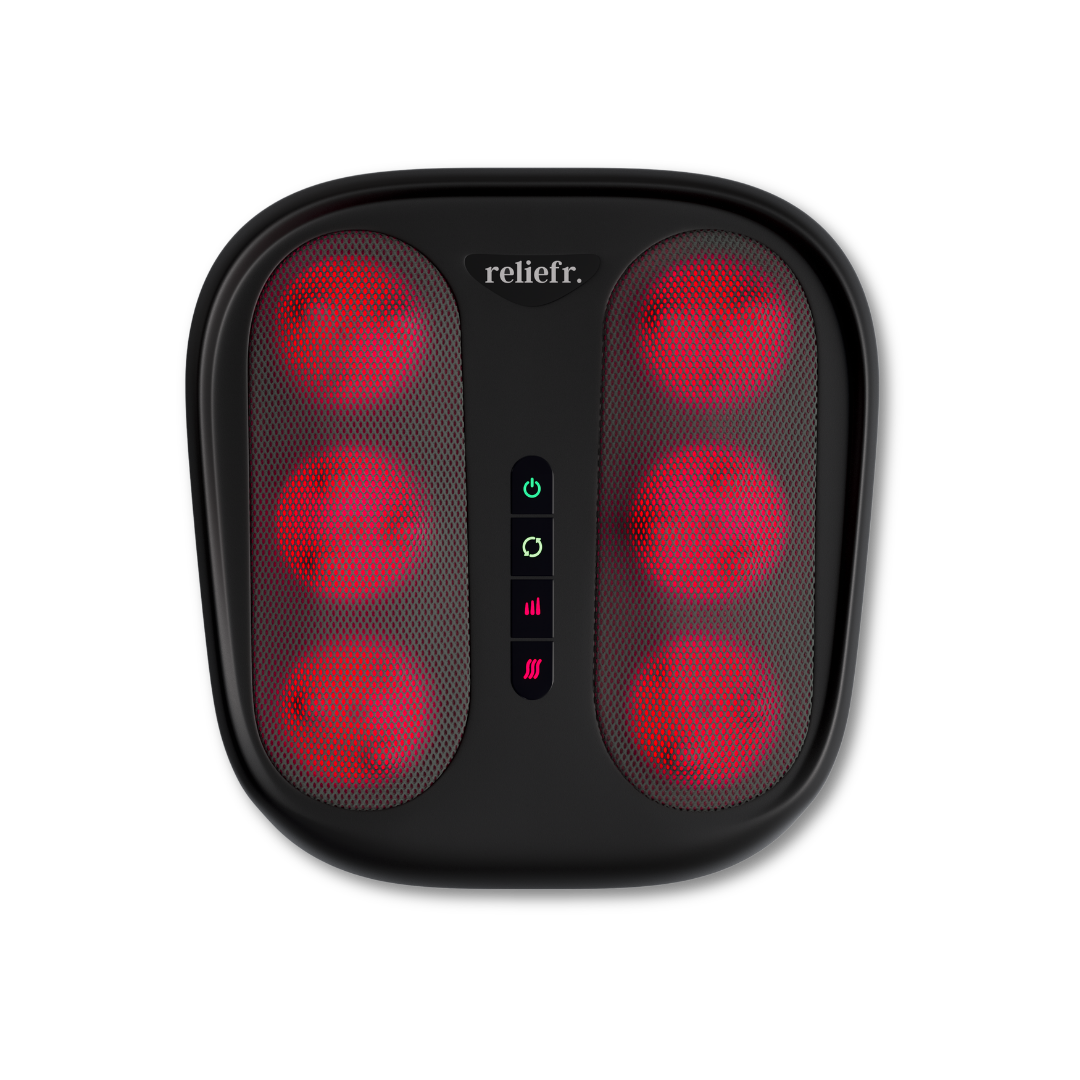
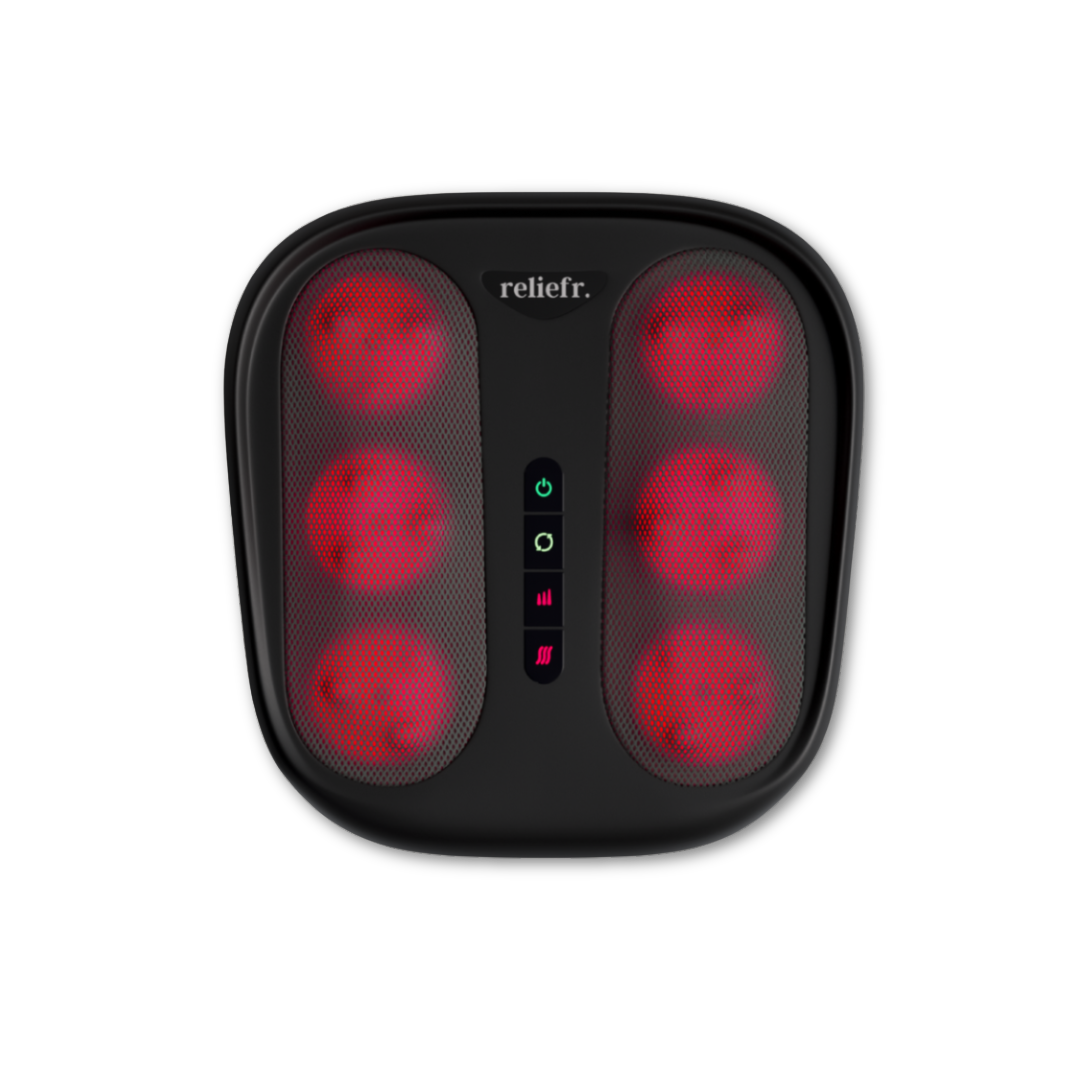
Electric foot massager: what can it do for tired, aching feet?
Many people get tired, aching feet after a long day at work or a hard workout. It is common to feel a general discomfort and tiredness that can affect how you feel from day to day. When life is busy with work, hobbies and home, sore feet can become one more thing to cope with. That is why many people are interested in aids that can help the body feel more balanced and relaxed. An electric foot massager is one that many find useful for easing discomfort in the feet and giving a feeling of renewed energy.What is an electric foot massager?An electric foot massager is a machine that uses different types of massage to ease tension and pain in the feet. It can combine heat, shiatsu massage and compression to stimulate blood circulation and loosen stiff muscles. Most are made for use at home, so you can easily unwind after long, physically active days. The basic functions include: Heating elements that give a pleasant warmth and help you relax Shiatsu massage, which imitates a deep, pressing massage that can ease tension Compression, which can reduce the feeling of tired, tense muscles Many people find that an electric foot massager gives a sense of well-being, because it offers a personal and gentle treatment for the feet. It is important to say, though, that it should be seen mainly as a supplement to your general well-being and not as a replacement for other kinds of care. People looking for information about electric foot massagers usually want to know how they can ease everyday tiredness and help the body feel pleasantly balanced again. Many see this kind of device as a practical tool in a daily life where both physical work and leisure activities take their toll.How does the discomfort show in everyday life?Sore, tired feet can show up as a heavy feeling, pain in specific spots, extra sensitivity after activity and tight muscles in the lower legs. You may feel stiff at the start of the day or more uncomfortable after standing for a long time. Sometimes the tension is felt not only in the feet but further up the body too, for example in the legs, back and hips, when the way you walk or your balance is affected.How common is the problem in everyday life?Many people go through periods of tired feet because of work or exercise. People who stand at work, walk or run a lot, or often carry heavy things notice a particularly clear link between activity and more discomfort. How often it happens varies, but for most people the symptoms affect both their comfort and their ability to take part in leisure activities.What can make the discomfort worse?Several things are often linked to foot pain and tension getting worse. Standing for long periods on hard floors, shoes without enough support, repeated high-intensity training and too few breaks during the day can all make the discomfort more noticeable. An uneven walking pattern or uneven ground can also put more strain on the feet, knees and back, which often makes everyday tiredness easier to feel.How can an electric foot massager affect pain and tension?Using an electric foot massager can be a way to ease muscle tension and reduce the tired feeling in your feet after activity. The combination of heat, pressure and rhythmic movement can increase local blood flow and loosen sore muscles, which often leaves the feet and lower legs feeling relaxed. When there is less tension in your feet, you may also notice less strain in your legs, knees and lower back in daily life. Heat can feel soothing and help the muscles relax Pressure and kneading can help reduce muscle tension Compression can give a feeling of support and less tiredness Different intensity and heat settings let you adjust the massage to whether you have had an active day or just want to unwind gently. Over time, regular use can ease the symptoms in everyday life by making it easier to stand, walk and get back to your daily routine with less discomfort.What to look out for in everyday lifeFrom day to day, how comfortable your feet feel is usually the result of repeated patterns rather than one-off events. Small changes in your working rhythm, how long you stand and how your shoes wear over time can all affect how your feet react. Many people find that changes in how active they are and the surfaces they walk on make tiredness stronger or milder from one day or week to the next. It is also common for things further up the body to change how weight is spread across the feet. Long periods on hard surfaces and how they affect the way you walk Soles gradually changing shape and losing their cushioning Differences in daily breaks and active periods Small differences in how weight is spread during repeated movements Habits and conditions that matter over timeSome habits only become clear over longer periods. Wearing the same type of shoes a lot, regularly carrying heavy things and working in the same position can often be linked to a gradual change in how comfortable your feet feel. Activity levels that change from week to week can also affect how you experience signals from your feet. Over time, small repeated strains can change both how your feet feel and how they work in everyday movement.When an electric foot massager becomes part of your routineWhen an electric foot massager becomes part of your daily routine, it can give you a different sense of recovery and well-being. When you use it, how often and at what intensity can all make a difference to how your feet feel after busy or quiet days. For some it will be one simple habit among many, while others see it as part of a bigger pattern that affects comfort over time.Below you will find answers to questions that often come up when people are considering an electric foot massager.Frequently asked questionsHow do I choose the right electric foot massager?The choice of model often comes down to practical things such as size, fit and the types of programmes it offers. User reviews, noise level and how easy it is to keep clean are also things people typically compare before they decide.Can anyone use an electric foot massager?Many models are designed to suit most people, but comfort and preferences differ, so not everyone reacts the same way. The fit and how strong you like the massage often play a part in how you experience the device.Which features should I look for in an electric foot massager for comfort?When comfort comes first, many people look for adjustable intensity levels, a comfortable noise level and a suitable size, so the device works well for daily use. Durability and how easy it is to clean are often part of the decision too..
Learn more
Tired legs: what causes them and how can you ease them?
Many people find their legs feel tired after a long day. Both sitting still and repeated strain can leave them feeling heavy and worn out. It is common for legs to feel sore or tired, whether you have been sitting for long stretches or doing physical work. The feeling can build up after many hours of everyday activities, and it is often a discomfort that affects how well you feel in general. Several things play a part in how tired legs feel, so many people want to understand what lies behind it. Knowing the usual signs can be reassuring, because it shows how this discomfort comes about and why it is so often noticed in everyday life.What are tired legs?Tired legs means a feeling of exhaustion, heaviness and soreness in the legs. It often comes after physical activity or after long periods of sitting at work. Many people feel it as a result of the natural strain on the leg muscles. It can show up as a lasting feeling that your legs are "worn out" or "heavy", which can make everyday activities less comfortable.Some typical signs of tired legs are: Soreness or mild pain in the leg muscles A constant feeling that your legs are heavy and tired A general sense of exhaustion that can linger after physical activity These symptoms are often a natural reaction to physical effort, but they can also be felt by people who have been less active for a while. Tired legs are linked to several parts of your daily routine, including how you sit or stand at work and leisure activities that put strain on the legs. Many people find it helpful to understand this wider picture, especially when they want to ease the discomfort and find a better balance in everyday life.In this article we look at the topic in a factual, neutral way: how tired legs can affect your daily wellbeing, without going into specific diagnoses or treatments. By explaining what tired legs involve, we hope to make it easier to understand how and why your legs can feel so tired after the strains of the day.Common causes of tired legsTired legs often come from two opposite things: too little movement and repeated strain. Too little movement can reduce blood flow and make your legs feel heavier, while repeated strain causes muscle tension and soreness. Recovery between periods of strain matters. Without it, the muscles can become more sensitive to everyday strain, and you may need more pain relief and rest for your legs in daily life.How tired legs usually feelSymptoms differ from person to person, but they often come as a mix of heaviness, soreness and tiredness, especially after a long working day. Some people feel stiff when they move, while others feel that their legs are worn out all the time. There may also be swelling or a feeling of tension, which can affect your comfort and make it harder to walk or stand for long periods.Where in the body tension and tiredness are often feltTired legs are often linked to other parts of the body. Tension that comes together with tired legs is most often felt in the legs, feet, back, neck and shoulders. Static work or poor posture can cause tension in the back and shoulders that changes the way you walk, which in turn puts more strain on your legs and feet.How common are tired legs in everyday life?Many people get tired legs from their daily activities. People who stand or sit for many hours often report heaviness and soreness, but those who exercise regularly can also notice muscle fatigue after periods of heavy strain. It often depends on the kind of work you do, how you get around and your daily routines, as these decide how much strain your legs take and how much chance they get to recover.Factors that can affect how tired your legs feel What you drink and eat can affect how well your muscles work, and so how sore they get. Your choice of footwear and support affects the strain on your feet and lower legs. Excess weight and repeated strain increase pressure and tension in the muscles. How well you sleep and how stressed you are can make your muscles tenser and increase the need for pain relief. It feels different for everyoneTired legs can come as heaviness now and then after a single long day, or as soreness that lasts several days in a row. Some people feel it in one leg, others in both, and the time of day can also affect how strong the feeling is. These differences affect which kinds of rest and relief feel most helpful in everyday life.Everyday things that shape how your legs feelIn everyday life, many things can change how your legs feel over time. Small, repeated strains and changes in your daily rhythm can affect how sensitive your muscles and tissues are. You may notice times when the heaviness or soreness is stronger, or days when you hardly feel it. Looking for patterns rather than single incidents gives you a better idea of why the feeling changes from week to week.Surroundings and movement patterns that play a partSome things around you and the way you move are often linked to how tired legs develop over time. Heat and cold can affect how your legs feel, just as the ground you walk on and the condition of your shoes affect how the strain is spread. Small, repeated movements or always carrying things on one side can also affect where and when you feel the tiredness. Worn or poorly fitting shoes, which can change how pressure is spread across the foot Hard surfaces, which can put varying strain on your legs when you walk and stand Uneven strain from bags or carrying, which affects the way you walk Temperature and humidity, which can change how swelling feels Your daily rhythm and the time of day, as tiredness is often strongest at certain times Looking at the bigger pictureIt can help to notice what repeats and what changes over days and weeks. Small changes in your habits or surroundings can affect how your legs feel, and the change may be gradual. At Reliefr, we often see that different parts of everyday life work together to create the overall feeling of heaviness or tiredness in the legs. Getting an overview of these links can give you a clearer picture of which things are worth keeping an eye on.Frequently asked questionsWhy do my legs often feel heavier in the evening?Late in the day, the strain of the day has built up, so the tiredness becomes more noticeable. Muscle fatigue and changes in how fluid is spread through the body can make heaviness or soreness feel stronger in the evening than in the morning.Can the weather affect how tired my legs feel?Yes, temperature and humidity can make the feeling of heaviness or tension vary. Some kinds of weather can change how tissues and blood vessels feel, which may make the discomfort feel either worse or milder.Why does the tiredness change from day to day?Day-to-day changes often come down to differences in strain, changes in your daily routine, the surfaces you walk on and your choice of shoes. Small changes in these things can make the tiredness much more noticeable on some days than on others..
Learn more
Sore feet after resting: what causes it and how can you ease it?
Many people get sore feet after resting, especially in the morning or after sitting still for a long time. The pain often feels like an ache, sometimes a stabbing sensation, in the heel and the arch while you slowly get going with your day. It can be a real nuisance, because the first steps often come with an uncomfortable stiffness that holds you back at the start of the day. In daily life, you often notice the pain just after waking up or after long spells of desk work. That is why many people look for information: they want to understand why the pain comes and what it typically feels like.The pain often comes because resting can briefly reduce blood circulation and let tension build up in the muscles and tendons of the foot. This can leave the foot feeling sore and stiff, a feeling that usually changes once you start moving. The pain can vary in strength and feel worse at certain times, which explains why many people struggle in the morning or after long periods of inactivity. It is a subject many people want to understand better: how the feet are affected during and after rest.What is foot pain after resting?Foot pain after resting is the discomfort you often notice straight after a period of inactivity. It can show up as stiffness that makes the first steps harder, and the pain usually eases gradually once you start moving. The discomfort is linked to what happens in the body during rest, as reduced circulation and tension building up in the foot muscles can cause pain. Even small strains, such as a couple of hours in the same position, can add up to discomfort that makes the start of the day hard for many people.These symptoms are common in everyday life, and they can affect how comfortable you feel from day to day. Many people therefore want to know exactly what foot pain after resting is, and how they can easily notice an improvement in how they feel. This article gives an overview of how the pain feels in daily life and why the subject matters to so many people who would like a more comfortable start to the day.Common causes of pain after restingFoot pain that appears after rest is often linked to several mechanical and physical factors. Long periods of inactivity can reduce blood flow and let tension build up in muscles and tendons, which can make the first movements especially sore. Repeated strain over time, for example from a lot of standing or walking, can overload the connective tissue in the foot. Nerves in the area can also play a part, and stiff joints and tight muscles in the lower leg can make the foot feel sensitive after rest.What does the pain usually feel like? Soreness or stiffness in the first steps after resting. Sharp or shooting pain around the heel or under the arch, which often eases as you move. Pain you can feel when pressing on the foot or putting weight on it after sitting still. Pain that varies through the day; worse after a long rest or after exertion. Foot pain can also change the way you move, which puts extra strain on your legs, knees or back. That is why the discomfort sometimes seems to spread to nearby areas.How common is the problem in daily life?Many people go through periods of sore feet after resting, especially in the morning or after long hours of sitting at work. In daily life, this can mean starting the day with careful steps and less comfort when walking or standing. For those who stand a lot at work or walk long distances, repeated bouts of pain after rest can affect their well-being and sleep, because they worry about the next day.What affects how strongly you feel the painSeveral things can affect how clearly you feel the pain: your choice of shoes and insoles, the surface you walk on, how active you are and how long you rest. How you spread your weight and load your feet in daily life also matters, and earlier overuse or long-term one-sided strain can make the foot more sensitive after rest.The pain can varyThe pain can show up very differently from person to person and from one time to the next. Some people feel a brief stiffness that soon passes, while others feel lasting soreness or sharp stabs when they put weight on the foot. The time of day, how active you are and how long you rested can all affect what the pain feels like..
Learn more
Aching feet when you wake up: what can cause it and how can you ease it?
Many people find that their feet hurt when they wake up. It can make for an unpleasant start to the day, especially when the pain is more noticeable than you expected on an otherwise quiet morning. For many, stiff and sore feet in the morning are all too familiar. They can make everyday tasks harder and leave you feeling tired before you have even got out of bed. The pain is often linked to the way the body reacts to the night, when muscles and joints stay in the same position for a long time. Various things in everyday life can affect how the pain feels, which is why many people look for information about what causes aching feet in the morning.For some, the pain comes and goes, while for others the soreness is a regular part of the morning. Lying still while you sleep can make the muscles tighten, which can leave a feeling of stiffness that is clearly noticeable when you wake up. This discomfort is often connected to daily habits and lifestyle, where footwear, working positions or even the way you sleep can play a part. It is only natural to want to understand why it happens, as a good start to the day often goes hand in hand with feeling well and balanced in your body.When you look more closely at aching feet in the morning, it becomes clear that it varies from person to person. For some, it is a gentle reminder that the body needs movement and proper rest, while for others it is a more fixed pattern that shapes their morning. Think, for example, about things such as: Lying in the same position all night, which can make the muscles in your feet less flexible in the morning Daily strain, which can lead to a build-up of tension that you clearly feel when you wake up Unsuitable footwear that doesn't give your feet the support they need What is foot pain when you wake up?Foot pain when you wake up covers the soreness and stiffness that can come after a night of lying still in the same position. Many people feel this discomfort as a sign that the muscles and joints in their feet need to wake up and get a little extra attention before an active day. For those who feel this pain regularly, easing it becomes a key part of the morning routine, in the hope of a more comfortable start to the day. The pain is often linked to the body's natural reaction to resting for long periods, and how strong it is can depend on your own circumstances and your habits during the day.Common mechanical causes you notice in the morningMany people find that a night's rest leaves muscles and connective tissue tighter, which can cause foot pain when they wake up. Tightness in the arch and the calf muscles can make the first steps especially sore. Irritation around the Achilles tendon or pressure on nerves near the foot can also cause pain that feels worse after several hours of rest. In addition, blood circulation in the lower leg may slow down while you lie still, which can make muscles and joints more sensitive as you take your first steps in the morning.What does the pain usually feel like?The pain can feel different from person to person: a sharp, stabbing feeling with the first steps, a general soreness that eases as you move, or a heavy, tired feeling in the foot. Some people notice tingling or reduced feeling, while others feel stiffness that makes walking and putting weight on the foot difficult for the first few minutes. It can range from mild discomfort to clearly reduced mobility, and the symptoms can change during the day, after activity or rest.How common is it?Morning foot pain is common, especially among people whose feet take a lot of strain every day or who spend long hours standing. It is often linked to age, how active you are and how much your feet have to carry in daily life. It can also go hand in hand with tension elsewhere in the body, such as the legs, back, neck or shoulders, where overall muscle tension affects how well you feel and move.Everyday factors that can affect how you feel the painThe shoes you wear during the day, how long you stand at work and how much you move each day can all affect how your feet feel in the morning. Long periods of the same kind of strain, or a sudden increase in activity, can leave muscles and connective tissue more sensitive after rest. Sleep and recovery matter too: poor sleep can make muscle tension more noticeable and change how the pain feels in the morning.Types of foot pain and how to recognise themSome people mainly feel pain in the heel, others in the arch or the ball of the foot. The pain also differs in when it bothers you most: it may be worst when you first put weight on your foot, come as a shooting pain when you move, or linger as a constant soreness throughout the day. When nerves are involved, you may notice tingling or reduced feeling, while circulation problems can feel like heaviness or coldness in the foot..
Learn more