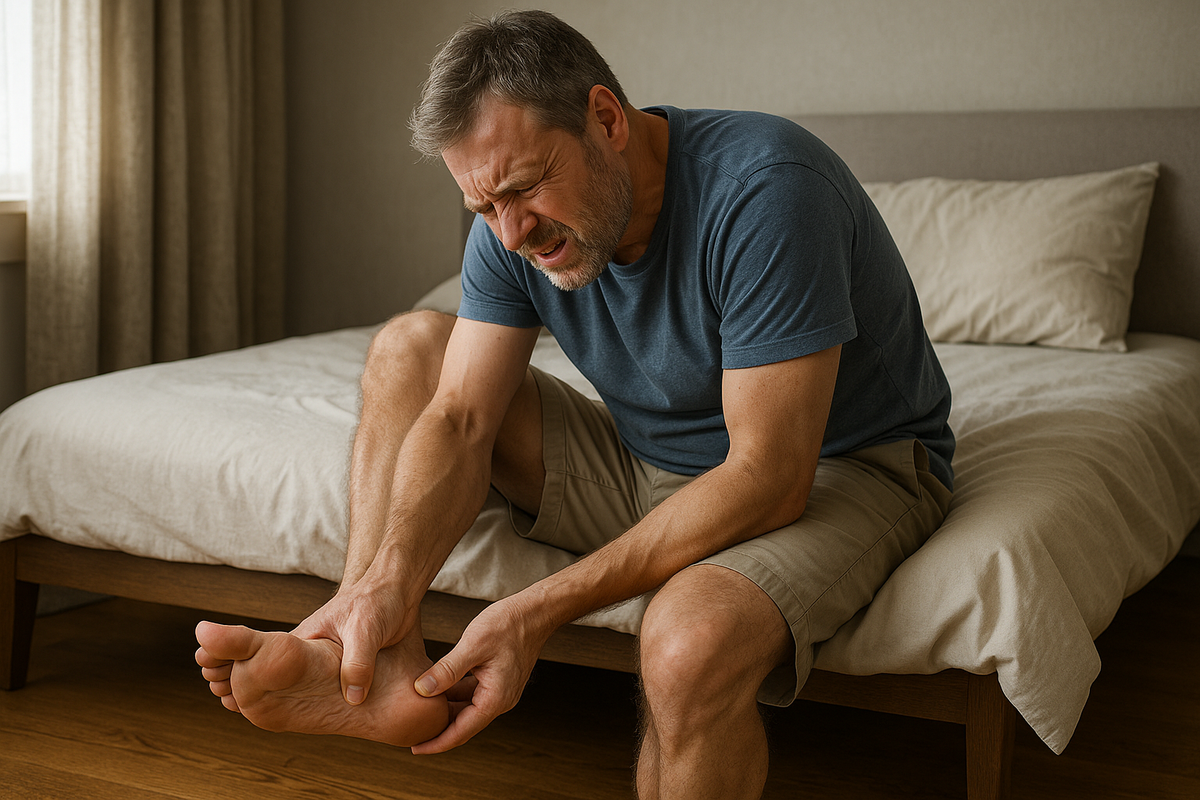
Many people have heel pain, especially in the morning, and it can make the start of the day hard. A common feeling is a stabbing discomfort that gets in the way as you get out of bed and start your day. During the day, you often notice this kind of pain when you stand up or get up from a chair. For many people, it develops from the ordinary strain our feet are put under in everyday life. That is why so many want to understand what really causes their heel pain, and how best to manage it with simple methods that don't involve surgery.
If you live with heel pain, it helps to know what lies behind it. A clear picture of the condition can be reassuring and help you spot the situations that make the pain worse. Many people feel it most in the first steps of the morning, but it can also come back when they walk or stand for long periods. Because this is such a common, everyday experience, the topic matters to a lot of people looking for practical advice on easing the discomfort.
What is plantar fasciitis?
Plantar fasciitis is an inflammation of the band of connective tissue that runs along the underside of the foot, known as the plantar fascia. It often comes from repeated strain and from wearing shoes that don't give enough support. Many people notice the sharp pain most when they put weight on the foot after resting, for example in the morning or after a break during the day.
Typical factors behind plantar fasciitis include:
- Overload from repeated strain
- Shoes that don't support the foot properly
- Biomechanical factors that make the foot more prone to strain
It is often the combination of these factors that causes the discomfort. The pain tends to show up during everyday activities, so it can affect both your working day and the things you enjoy in your free time. Once you know what plantar fasciitis involves, it becomes easier to describe your pain and to understand why non-surgical methods are often the first step towards days with less heel pain. For many people, this knowledge is the key to a calmer, more comfortable everyday life, with the focus on well-being and pain relief without major treatment.
How does plantar fasciitis show up in everyday life?
The pain usually feels sharp or stabbing in the heel during the first steps in the morning or after a long rest. Many people find it eases during the day but comes back after standing at work or walking for a long time. Besides the heel, you may feel tension in the foot, the calf and further up the leg. Some people also get discomfort in the back, neck or shoulders because they start walking differently.
How common is it?
Heel pain linked to strain on the connective tissue of the foot is common in people who stand or walk a lot during the day. Those whose feet carry a heavy load every day report symptoms more often, and many look for help so they can get through the day with less pain. More than nine out of ten cases improve over time without surgery, which is why simple things you can do at home are worth knowing for so many people.
What can cause the pain or make it worse?
Several things are often linked to a higher risk of heel pain. Excess weight puts more load on the foot. Shoes without enough support or cushioning can increase the pressure on the heel. A sudden rise in activity, such as longer walks or working on hard floors, can also make the symptoms stronger. Stiff calves and tense foot muscles can make it harder to spread the load evenly as well.
Easing the pain in everyday life
- Ice and massage of the sore area can quickly ease sudden flare-ups and reduce swelling.
- Targeted massage of the foot and calf helps release muscle tension and takes pressure off the heel.
- Stretching the calf muscles and soft tissues can improve mobility and reduce the strain when you walk.
- Supportive shoes and insoles can take pressure off the heel by spreading it more evenly across the sole of the foot.
- Short sitting breaks during standing work can reduce constant strain and give instant relief.
How symptoms can vary
Symptoms range from mild irritation that you only notice after standing for a long time to sharp pain with the first steps. Some people mainly feel discomfort in the heel, while others feel tension spreading down into the foot or up into the calf. The pattern often depends on your daily activities, your shoes and the general condition of the muscles in your legs and feet.
.