Pain under the heel is something many people know well, and it is easy to notice in everyday life. It is common to wake up with sore feet, and the soreness is often most noticeable when you start to move. You can feel it when walking and during physical activity, and it can make the start of the day unpleasant. Because the discomfort often gets worse when you put weight on the foot, many people start moving more carefully. It is a problem many want to understand better, as it can affect both comfort and general well-being. In busy periods, or when daily routines change, heel pain can become one of the things that affects your quality of life.
Most people with heel pain notice it especially in the morning, but it can also get worse when the foot is under strain for a long time. It can be a reminder of how the body reacts to overuse and to changes in how we move each day. Many people want to know what causes pain under the heel, and why it often feels worst after rest, for example in the morning, while it may ease a little once you get going with the day.
What is pain under the heel?
Pain under the heel covers anything from mild tenderness to more noticeable pain. It is often felt as a dull, stubborn ache that makes itself known when you start to move the foot. Symptoms can include:
- Pain with the first steps in the morning
- Tenderness when walking or after physical activity
- Lasting discomfort around the heel
Pain under the heel most often comes from overuse or minor irritation, which can be felt across the large area under the foot. Many people find that the pain sets the pace for their day and changes the way they move. That is why many people with busy lives look for clear, factual information about the causes and about how to find some relief when everyday movement matters so much. Knowing more can help you understand why heel pain happens and how it affects your daily comfort, without having to go into complicated treatments.
How the pain typically feels
Pain under the heel can take several forms. Many people feel a sharp stab with the first steps after rest, while others notice a duller, lasting soreness that gets worse after standing or walking for a long time. There may be swelling or stiffness in the area, and the pain is often described as a pressing discomfort under the foot. Symptoms can also change during the day and often feel stronger when the foot is put under strain again and again.
Where else in the body you may feel it
Heel pain often changes the way you move, which can cause tension elsewhere. The feet, legs and back are often mentioned, but the neck and shoulders can also be affected if you change your posture or the way you walk to spare the foot. When you compensate while walking or standing, the muscles in the calf and around the hip can tighten, which can make moving around less comfortable in daily life.
How common is the problem?
Pain under the heel is common both among physically active people and among those who stand a lot in their daily work. Many people notice more tenderness after a change in how active they are, or after a long time without enough rest. In everyday life, the pain can keep coming back and affect which shoes you choose, how fast you walk and how much you feel like being active.
Everyday factors that can affect the pain
- Standing for a long time or putting repeated strain on the foot can increase discomfort.
- A sudden increase in activity, especially walking or jumping, is often linked to the pain getting worse.
- Body weight and the strain of daily tasks can make it harder to find relief.
- Shoes with poor support can make it harder to take the pressure off the heel.
Muscle tension and why easing the strain helps
Muscles and soft tissues around the foot can tense up in response to pain. This tension can make the discomfort feel worse and limit how freely you move. Easing the strain in everyday life is about reducing repeated stress on the foot and spreading the pressure more evenly. This often means less muscle tension and more comfort. Over time, reducing the strain and giving the affected muscles a better chance to relax can help relieve the pain.
Daily patterns and small strains
In everyday life, repeated short movements and small changes in routine can add up over time. This could be different surfaces, how often you take the stairs or how much you carry during the day. Patterns like these affect not only the spot where you feel the pain, but also how the body spreads the strain to the muscles and joints around it. Over months, repeated patterns can change the way you move, and in some cases this can bring on the pain or slowly change how it feels.
The body's rhythm and how you feel pain
How strong the pain feels can vary with the body's natural rhythms. Sleep, stress and your general energy levels can all play a part in how you feel pain from day to day. The same activity can feel quite different depending on whether you are well rested or tired. Over time, these factors are often linked to changes in the discomfort and in the signals the brain receives from the foot.
Work and variety of movement
The way your working day is put together can affect your heel. Long periods of the same strain on the feet, or repeating the same movements, can change the tension in the lower leg and the soft tissues of the foot. Moving in different ways during the working day can also mean that you feel the pain in different places or at different times.
The role of massage and easing the strain
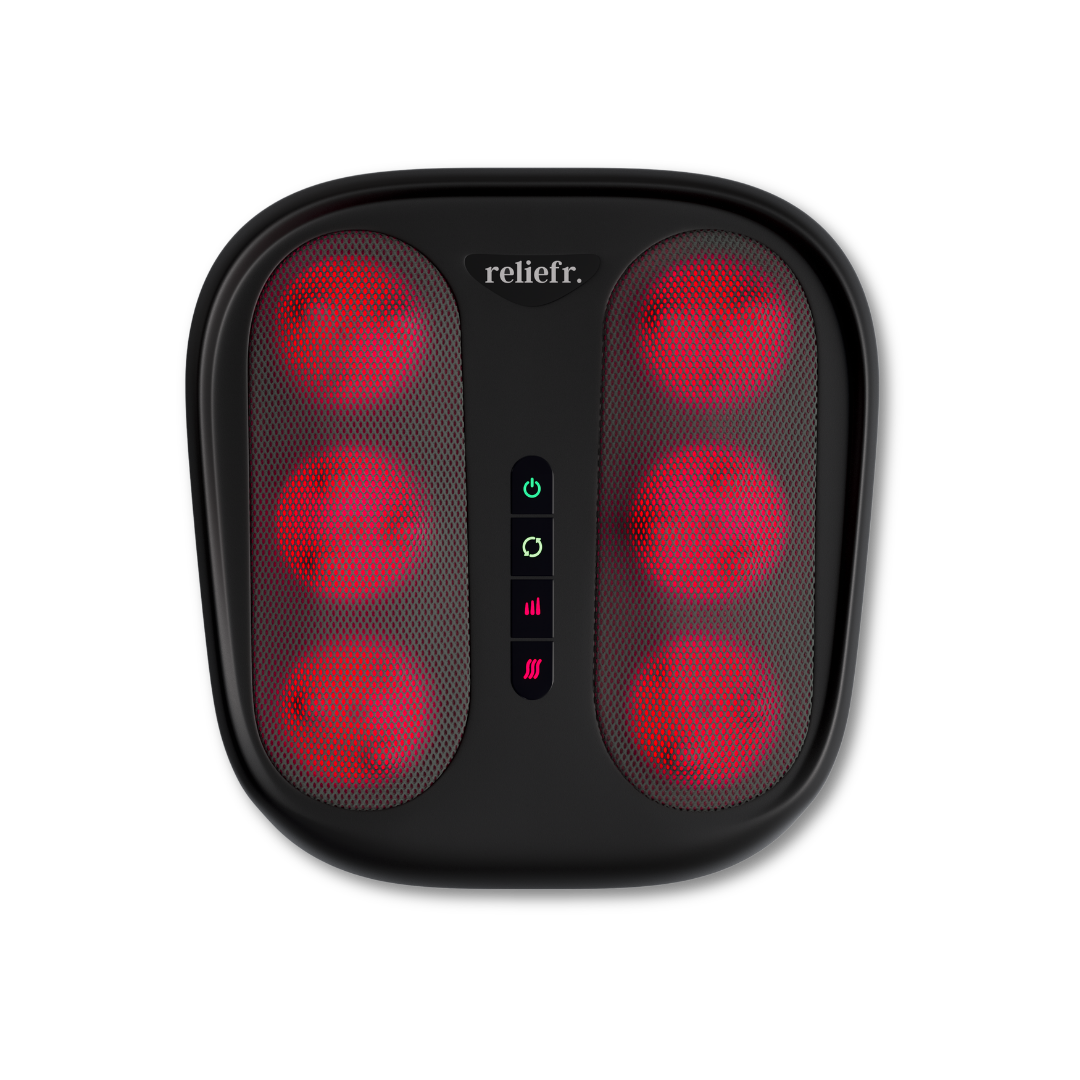
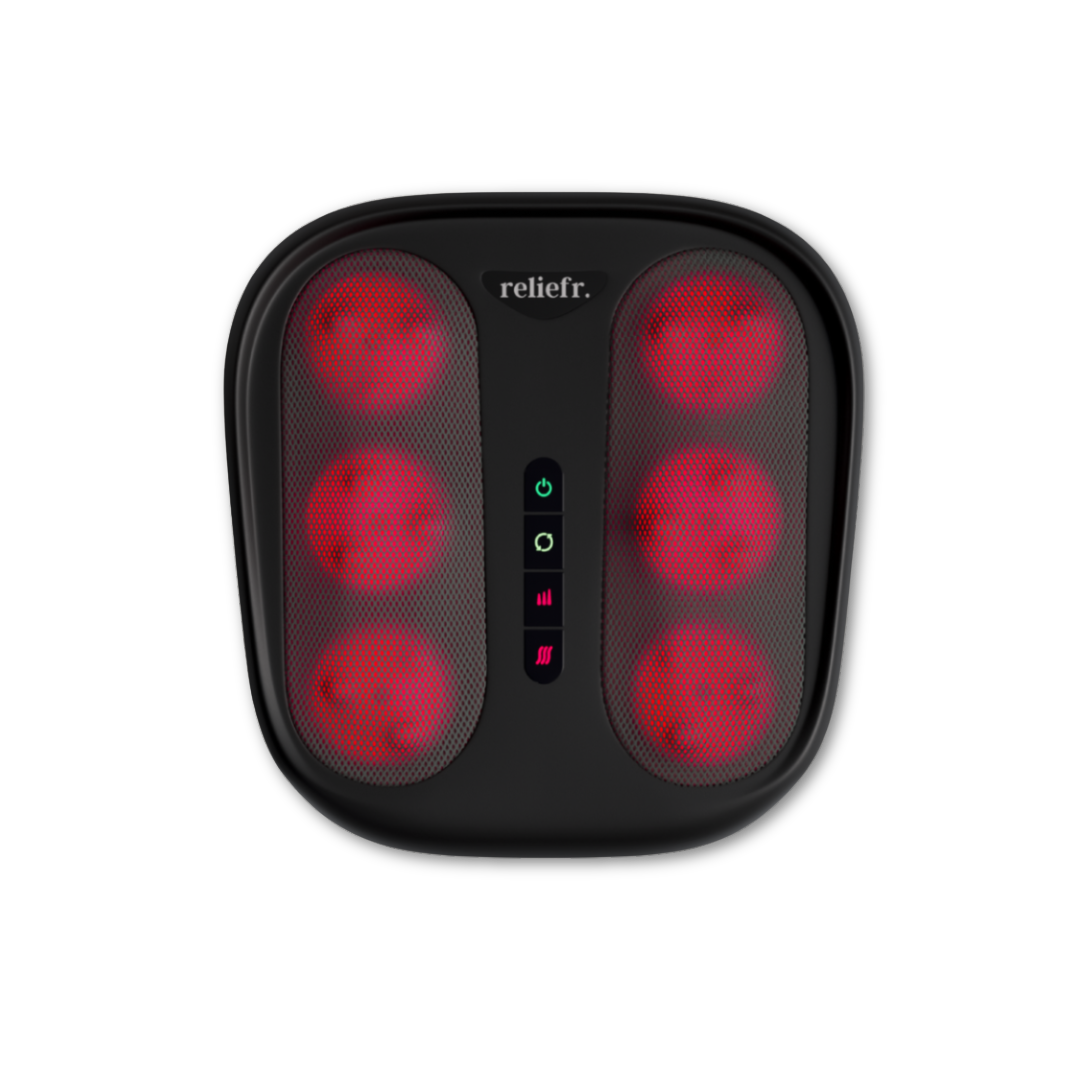
Many people find that massage adds to their sense of well-being around the heel, as it helps them relax and increases local blood circulation. Easing the strain in your daily habits can change the tension in muscles and soft tissues, which over time can make a difference to where and how you feel the discomfort. Everyone is different, so the effect varies from person to person.
Watch for changes before you act
Paying attention to patterns rather than single episodes can help you see what affects the pain over time. Small changes in how strong it feels, differences between weekdays and weekends, or changes linked to sleep and stress are all worth noting. Keeping track like this can be useful later, when you want to ask the right questions.
Frequently asked questions
How long can pain under the heel last?
It varies a lot from person to person. Some people have shorter spells of discomfort that comes and goes, while for others the way the pain feels changes over weeks or months.
Can things like temperature affect the pain?
Yes, many people find that temperature and weather change how their muscles and soft tissues feel. Cold can often make them feel stiffer, while warmth can make them feel different in other ways.
Is there a link between sleep and pain?
How well you sleep can affect how you feel pain. Poor sleep can make the pain more noticeable, while good sleep is often linked to discomfort that feels more stable.
How is pain under the heel different from other foot pain?
Pain under the heel is usually felt in the back part of the sole, and it can differ in strength and character from pain in the front of the foot or along its sides. When and how the pain comes on often helps tell different kinds of foot pain apart.
.