Many people find that heel pain is at its worst in the morning. After a night's rest, the first steps can feel stiff and painful, and that can set the tone for the whole morning. This often happens because ligaments and tendons have had many hours to stiffen, so the discomfort is greater when you wake up. Morning heel pain varies in strength, but it is often clear and sometimes limiting, and it can affect both how you move and how you feel at the start of the day.
The pain can range from slight stiffness to a stronger, lasting discomfort that makes the first steps hard. Many people look for information on this, because daily strain, a busy life and long hours of sitting can all lead to a painful heel. It helps to understand what this kind of pain involves and how it affects your mobility and daily activities. Changes in habits, the right shoes and simple things you can do at home can all make a difference to how the pain feels.
People with morning heel pain often describe a mix of stiffness and a throbbing feeling in the heel. It can come as a surprise, because the pain often eases during the day as the foot warms up. Even so, those first moments can be both unpleasant and discouraging.
What is morning heel pain?
Morning heel pain is pain you notice when you get up after a night of rest. It is usually strongest with the first steps, while the foot gets ready for the day. Many people find the heel feels tight and sore, and that it takes a few minutes before the pain slowly eases as blood flow increases. This is because the tissues in the foot, including tendons and muscles, can stiffen when they are not used and need time to "warm up".
Typical signs of morning heel pain can include:
- Stiffness and soreness in the heel when you wake up
- Pain you notice with the first steps
- A feeling that the foot needs to be "woken up" before it moves normally
Many people are puzzled by it, because it can happen even if you otherwise live a healthy life. That is why many start paying attention to how their daily movements and choice of shoes affect the discomfort in the morning. It is a topic worth looking into if your heel often hurts at the start of the day.
Common causes of morning heel pain
Morning heel pain is often the result of overload and irritation in the tissue under the foot. A common cause is a problem with the plantar fascia, the tissue along the sole of the foot, which can become strained over time and feel sore after rest. The pain is often linked to repeated strain from walking, working positions or standing for long periods, and it tends to be more noticeable after long spells without movement.
How does the pain usually feel?
The pain can feel sharp or stabbing with the first steps in the morning, or more like a general soreness around the heel. Many people say the foot feels tight and that it takes a few minutes before it moves normally again. It can range from mild irritation to real discomfort, and it often eases during the day as the foot warms up and moves more.
How common is it?
Morning heel pain is common and affects people of all ages and activity levels. It can affect people who stand a lot at work as well as those who sit most of the day, because too little movement and the way the foot is loaded can both change how the tissue reacts. Muscle tension and discomfort elsewhere, such as in the back, neck, shoulders and legs, can be there at the same time and affect how mobile and well you feel overall.
What affects how strong the pain feels
Several things can affect how the pain feels. Excess weight puts extra pressure on the foot and can make morning pain more noticeable. Wearing shoes without enough support or cushioning in daily life is often linked to more strain on the heel. Sudden changes in activity, such as walking further or training harder, can also make the pain worse for a while.
Different kinds of heel pain
Heel pain can take different forms. Some people feel a sharp pain in one spot under the heel, while others have a wider, more general soreness along the underside of the foot. Morning stiffness is something most have in common, but how long the pain lasts and how it feels during the day can vary a lot from person to person. Tension in the muscles and tendons around the foot is often part of the picture.
What to look out for in daily life
Small things you do every day can play a part in how morning heel pain shows up. The surfaces you walk on, how often you stand at work and how your foot rests at night can all affect how the tissue reacts after rest. Noticing patterns over time often gives you a clearer picture of how your daily habits and the pain are connected.
- Waking up: how the stiffness changes from morning to evening can be a sign of ongoing irritation.
- Strain at work: repeated strain in the same working position can be linked to more soreness.
- How your foot rests: the position of your foot at night can affect the tension in tendons and soft tissue.
Habits that can matter over time
Long-standing habits often shape the strain your feet take every day. Spending a lot of time on hard surfaces or always wearing the same kind of shoes can, over months, make the heel more sensitive. Likewise, changes in how active you are, whether you move more or less, can affect how the tissue adapts and how the pain feels over time.
Easing the load, massage and paying attention
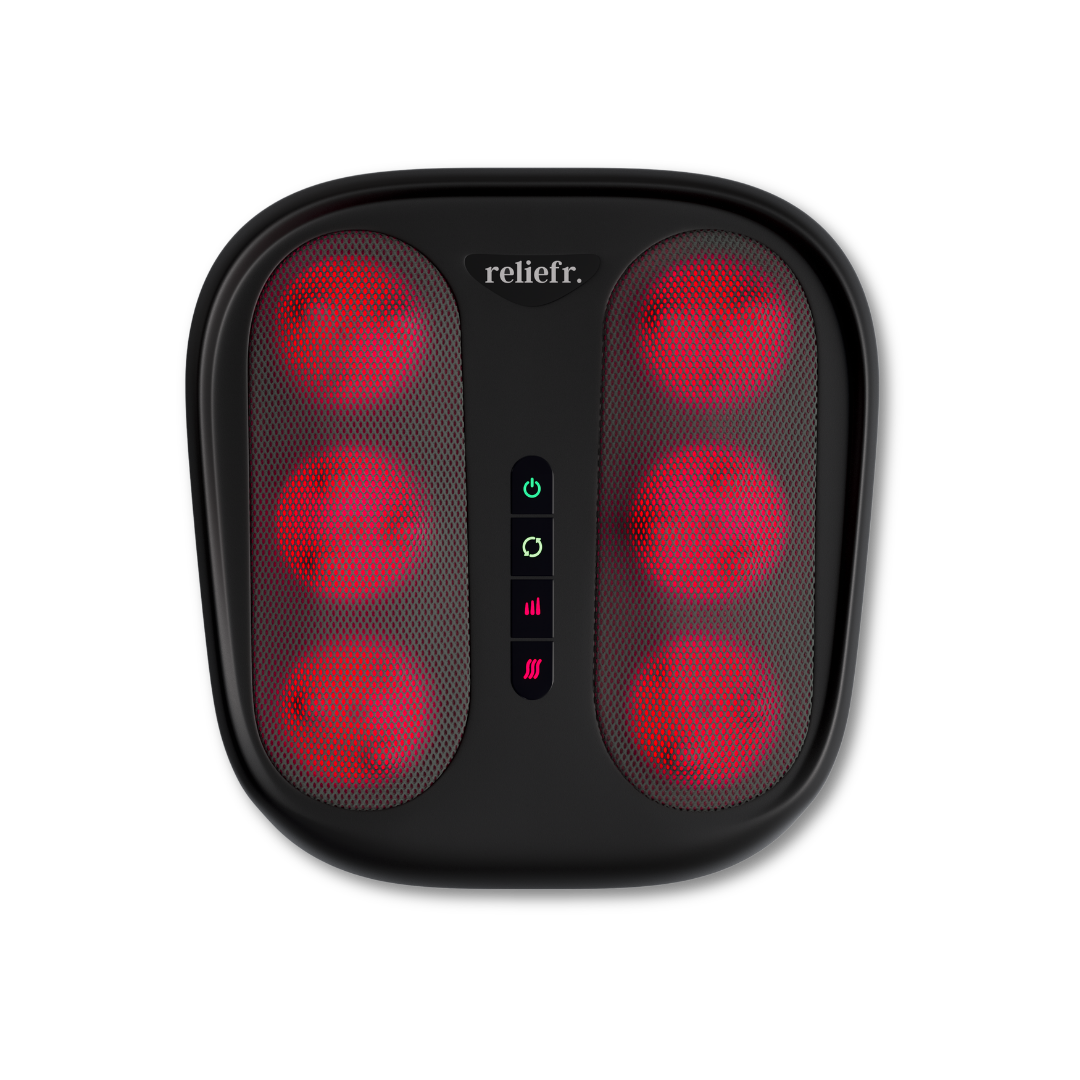
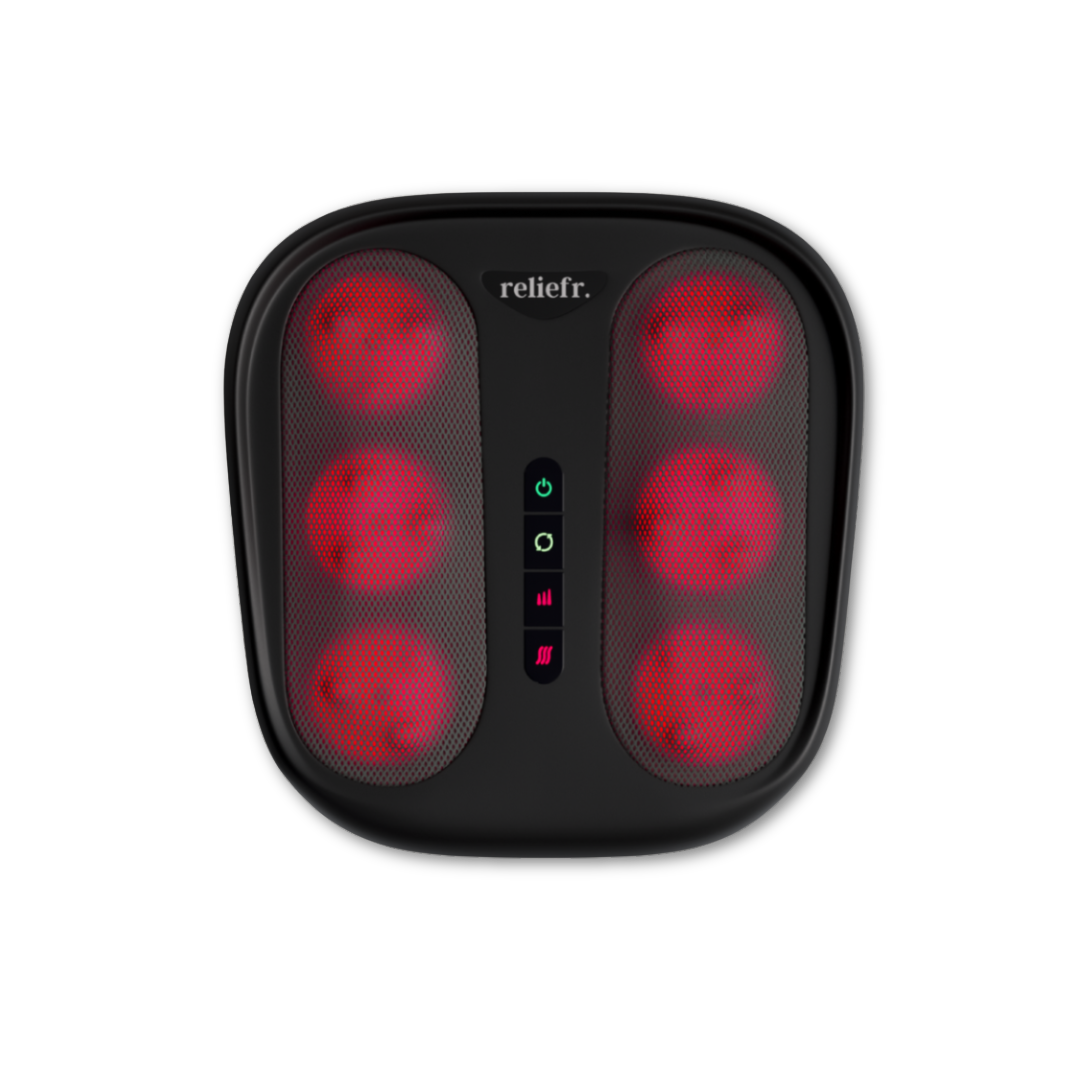
Many people find that massage and different ways of easing the load on the foot make everyday life more comfortable, but the effect varies from person to person. Massage can help reduce tension in the surrounding tissue, and touching the area regularly makes it easier to notice changes. Supportive inserts in your shoes can also change how the foot is loaded, which over time can affect how strong the morning stiffness is.
At Reliefr, we often see that small changes to daily routines can change how the pain develops, even though there are no quick fixes. It helps to note on which days and in which situations your heel hurts most, so you can spot any patterns.
Frequently asked questions
Can working on hard floors affect heel pain?
Working on hard floors can put more strain on the foot, which sometimes shows as more soreness after long periods of standing.
Can the way I sleep affect the stiffness?
How you sleep and how your foot rests at night can affect how stiff your foot feels when you wake up, and how much the tissue has been able to relax.
Can changes in footwear take several weeks to show?
Yes. Gradually changing your shoes can change how the foot is loaded, and you may only notice the effect after a few weeks, as the tissue adapts.
When does the pain change over time?
The pain can change when your activity level, footwear or daily strain changes. You may notice differences in how strong it is, where you feel it or how quickly it eases during the day.
.