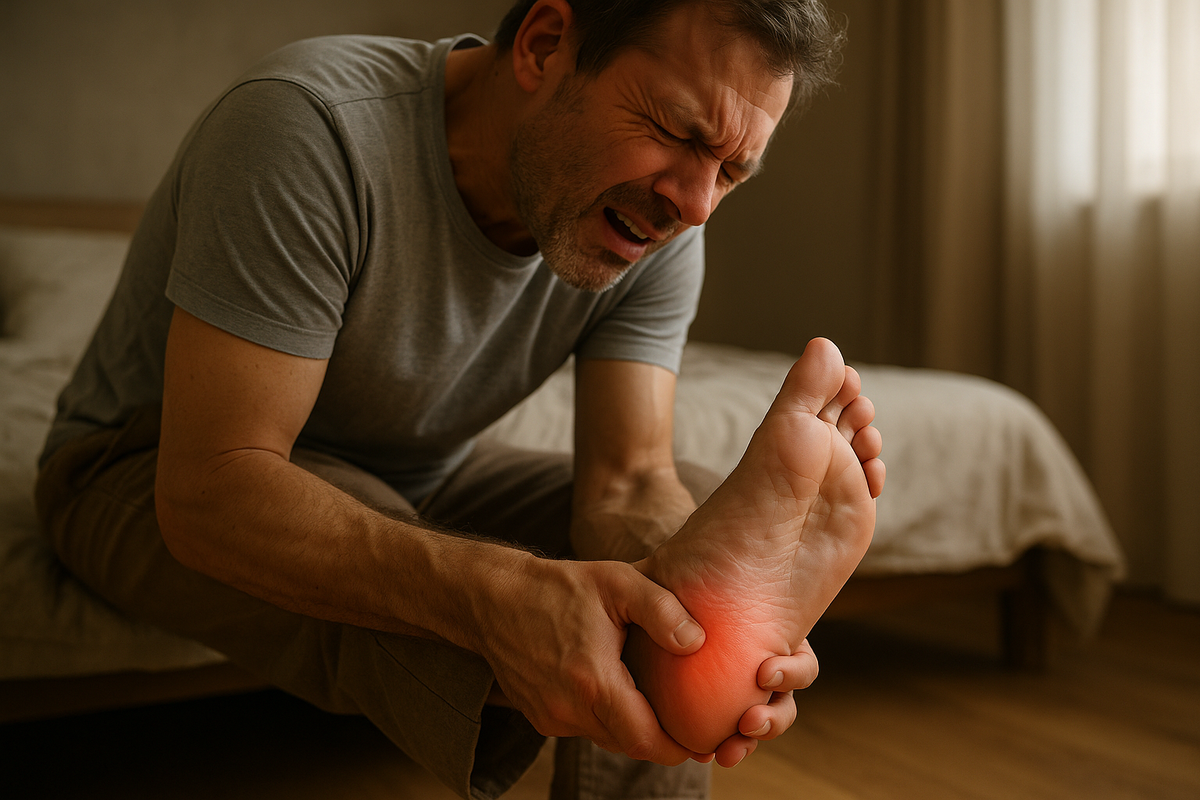
Many people go through periods of heel pain, which can be both confusing and worrying in everyday life. A sharp, stabbing pain is common, especially in the morning or after a longer rest, when the foot has had time to settle. If you have this kind of pain, you may well be wondering what a heel spur feels like and how it affects your daily activities. It can be anything from a mild, nagging soreness to a more lasting and intense pain that makes it hard to get through a normal day. The condition is known for causing discomfort especially when you start moving again after sitting or lying still.
The pain linked to heel spurs tends to appear when the pressure on the heel changes – for example when you go from resting to moving. Many find that it eases as the foot warms up during the day, but comes back after long periods of walking or standing. It is this cycle of pain and short relief that makes many people want to know more about what a heel spur feels like and which signals from the body to look out for. Wanting to know the cause of the pain and how it affects your everyday life is only natural, so it helps to approach the subject calmly and with the right information.
What is a heel spur?
Heel spur is the name for a condition where pain in the heel comes from changes in the way the foot is loaded. It often shows up as pain in one specific spot, which can feel stabbing or pressing on the underside of the heel. The pain can vary in strength and is often worst in the morning, when you first use the foot after a period of rest.
Typical ways people describe what a heel spur feels like:
- Sharp pain at the bottom of the heel, especially after rest
- Lasting soreness under the foot that can become more noticeable when you put weight on it
- A pressing feeling that makes even short walks hard
How a heel spur feels often depends on everyday activities that put more or less strain on the foot, so it is not unusual for the pain to change with what you do during the day. Many people who recognise the typical symptoms look for information to better understand what is happening in the foot and how to recognise and describe the feeling. Putting your own experience into a broader context can bring some calm and clarity to an everyday life with pain.
Typical symptoms of a heel spur
The pain often shows up as a sharp or stabbing feeling under the heel, but it can also be a lasting soreness. Some describe it as discomfort in one spot where the heel pad meets the arch, others as a more general pressure on the underside of the heel. Many notice that it is stronger or weaker depending on activity and rest.
- Sharp pain with the first steps after rest
- Soreness when you are on your feet for a long time
- Pain when walking, running or climbing stairs
When is the pain most noticeable?
The pain is often at its worst after a period of rest, for example in the morning or after sitting down for a while, when you put weight on the foot again. It may ease as the foot warms up during the day, but it can come back with repeated or long-lasting strain, such as long walks or many hours of standing at work.
How can it affect the way you walk and other parts of your body?
When your heel hurts, you often change the way you walk to avoid the pain. This can put extra pressure on your legs, knees and back, because the load shifts elsewhere. You may notice it as more tired legs or tension in your lower back after long walks or standing work.
How common are heel spurs?
Heel spurs are common in adults and are seen both in very active people and in those who stand for many hours a day. They are often linked to lifestyle and the kind of strain the feet are under, and they appear in different age groups, especially in middle age and among people who exercise regularly.
Factors that can affect the symptoms
Several things can affect how strongly you feel the pain. Being overweight and wearing shoes without enough support can make it worse, as can repeated strain from running or standing for long periods at work. The shape of your foot and the way you move can also affect how the symptoms show up.
How the feeling varies
It differs a lot from person to person. Some only have soreness now and then, while others have stronger, more lasting discomfort. Sometimes the symptoms change from day to day depending on activity, footwear and rest. If the condition goes on for a long time, it can lead to lasting problems and changes in the way you move.
What to look out for in everyday life
When heel pain appears, it can help to notice patterns in your everyday life, without seeing them as a sign that you need to take specific steps. The pain can vary from day to day, and you may notice changes in when it is at its worst. Some find that it follows their daily routines, while others notice the intensity changing over longer periods.
Your habits around strain and breaks are often linked to how the pain develops over time. Noticing which surfaces you often walk or stand on, and how your shoes wear down, can tell you something about the patterns affecting your foot. Also notice whether the pain comes on when you carry bags or other extra weight, as this can play a part in how it develops.
Massage and other gentle treatment can change how you experience the discomfort. Massage feels different for everyone: some feel instant relief or warmth, while others feel more tender at first before it becomes more comfortable. Taking the load off your feet in everyday situations can bring short-term changes you notice, though it does not necessarily change the underlying pattern.
- Patterns in the pain over days and weeks
- How it feels on different surfaces
- Wear on your shoes and what it can tell you
- How touch and massage can affect how it feels
- The link between tiredness and increased sensitivity
Paying attention to these things can give you a clearer picture of how heel pain affects your everyday life. Once you have a sense of the patterns and variations, it can become easier to see which questions to ask next. Below are some questions many people have at this stage.
Frequently asked questions
What is the difference between a pressing pain and a sharp pain?
A pressing pain can feel like a lasting soreness or heaviness under the heel, while a sharp pain is a short, stabbing discomfort during certain movements. Both can vary in strength and in how long they last.
Can touching the heel feel different from the pain when you put weight on it?
Yes. Touching the heel can cause local tenderness or soreness that does not always match the pain you feel when walking or standing. The difference can tell you something about how the area reacts to direct pressure compared with carrying your body weight.
How much can the feeling change over time?
The feeling can vary both from day to day and over longer periods. Some notice quick changes within a single day, while others see slower changes over weeks or months. This often depends on daily patterns and personal habits.
.