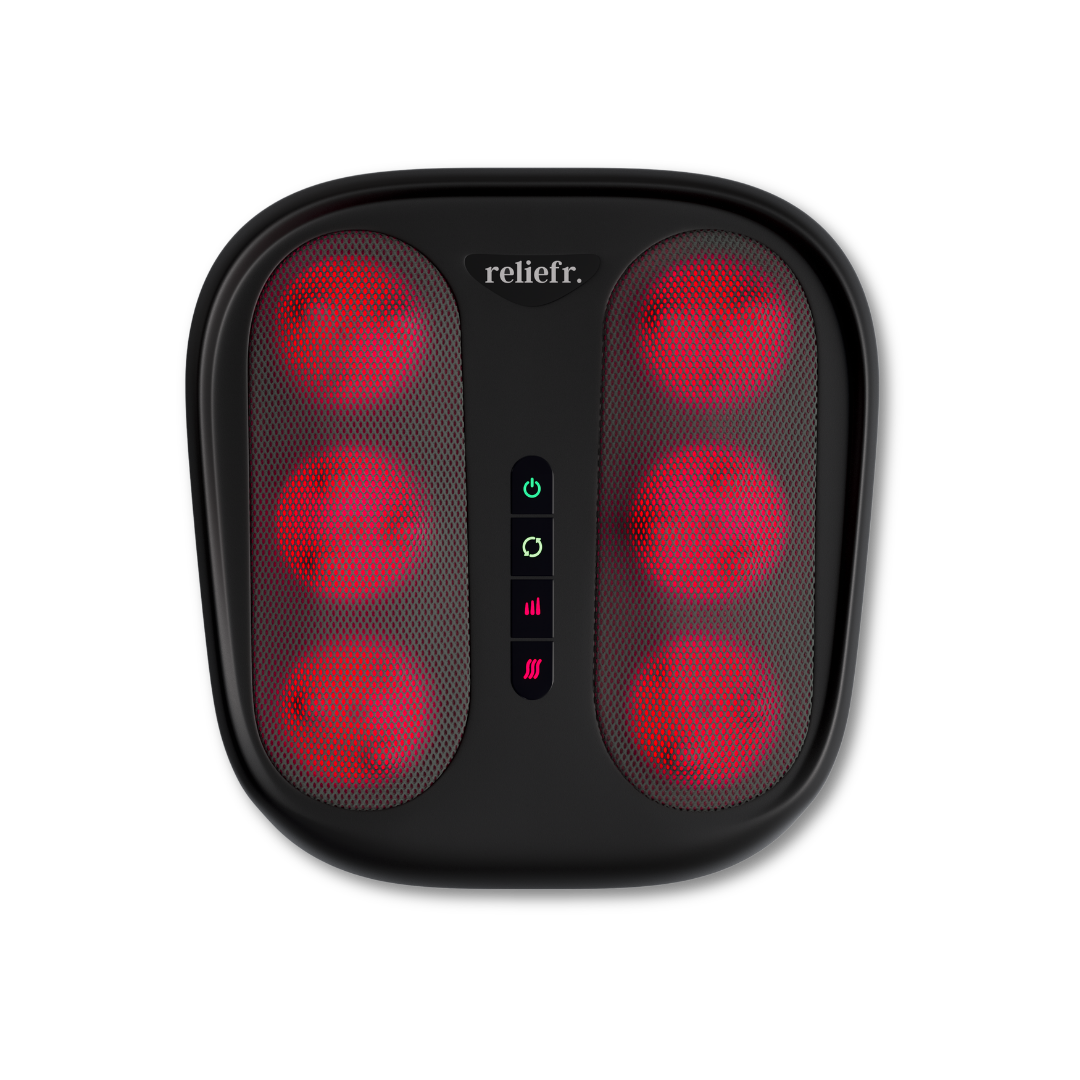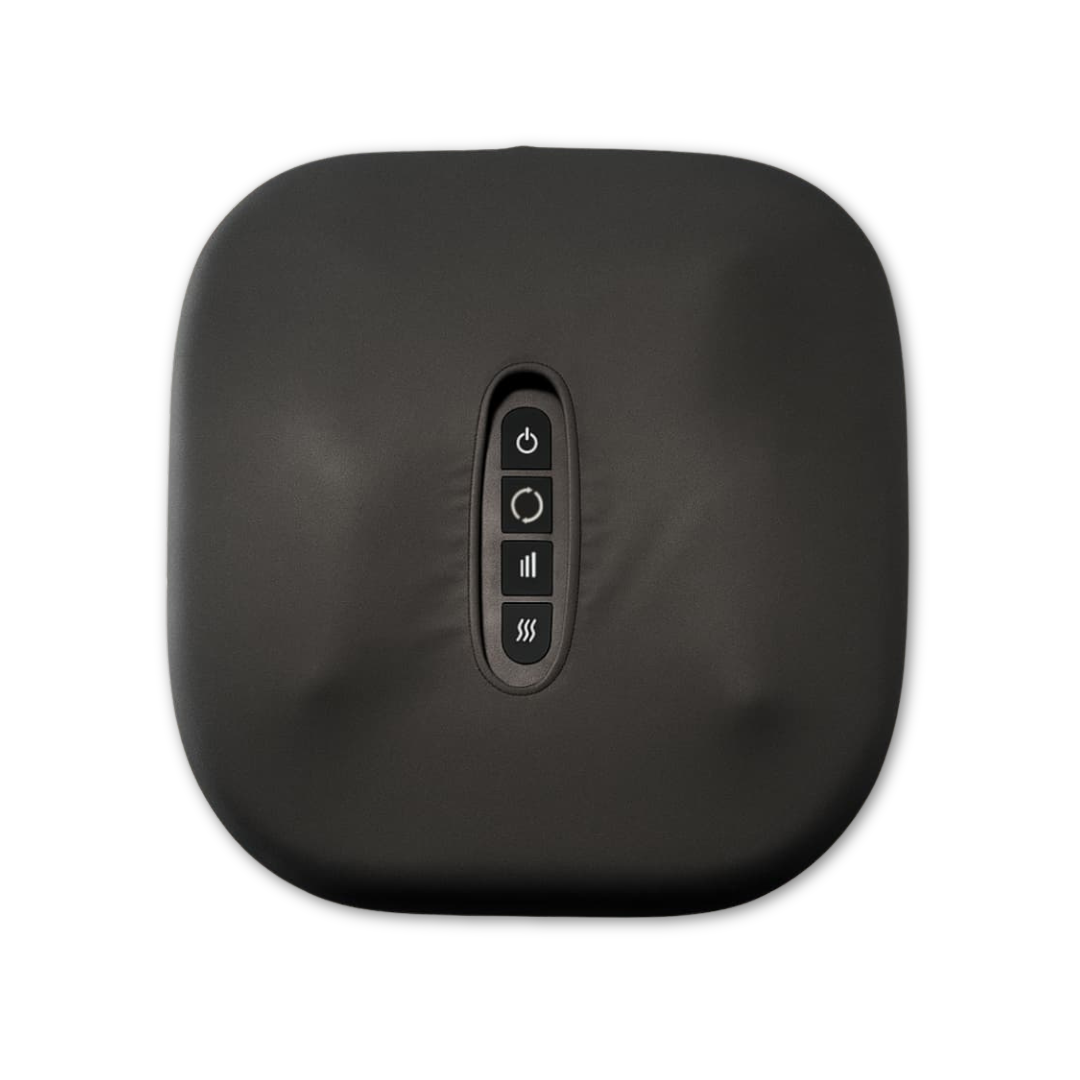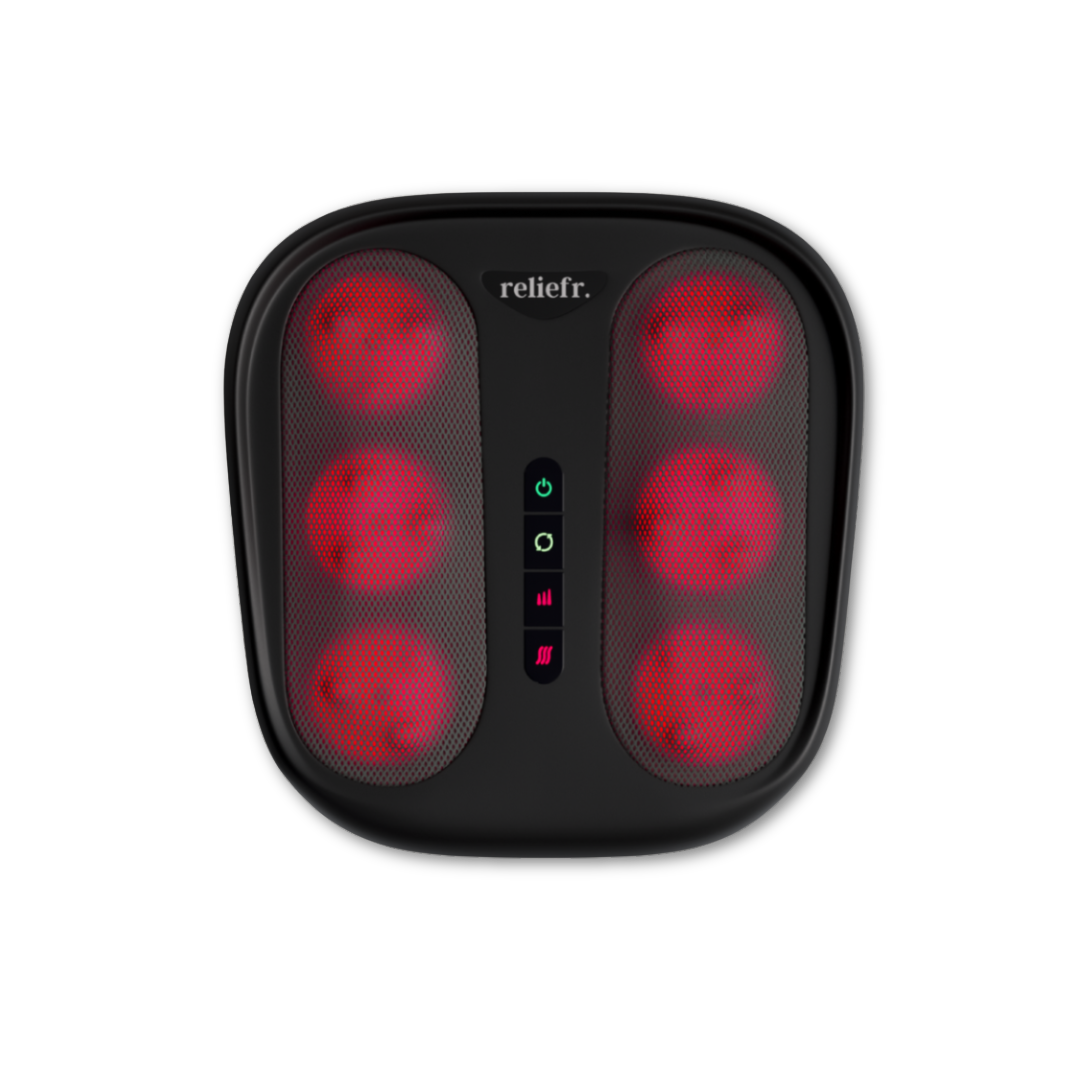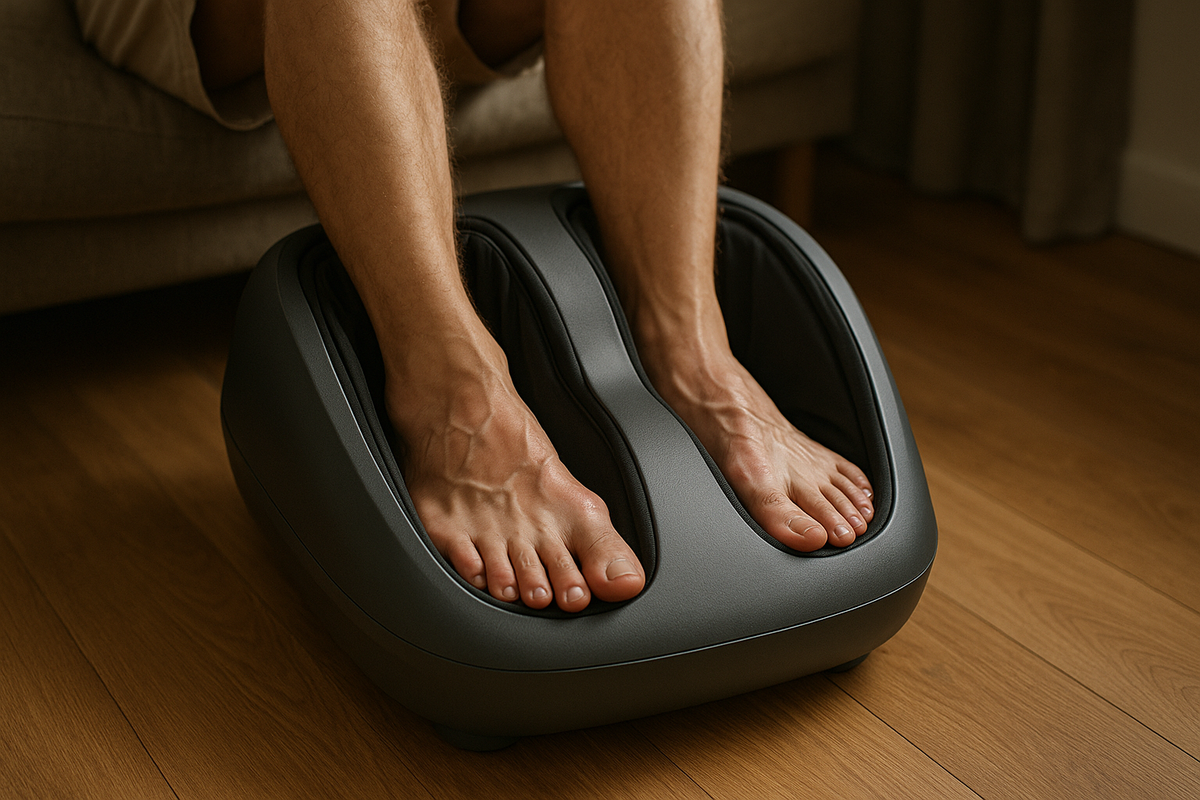
After a long day at work or a hard workout, many people end up with sore, tired feet, which can affect both everyday comfort and well-being. When your feet feel stiff and tired, it is natural to look for a way to ease the daily strain. Looking more closely at how a device can recreate the relaxing effect of a professional massage helps you see whether it could make everyday life a little easier. Many people wonder whether a regular foot massage routine could make a noticeable difference, especially with a busy life that often brings periods of unavoidable tiredness and muscle tension.
Foot massagers appeal to people who want a simple, convenient way to feel more comfortable. As working days get longer and leisure activities more demanding, the need to relax grows. That is why many people look for information on how a device can help ease stiffness and tiredness in the feet. The simple idea of having a regular massage at home, without spending time booking a treatment, gives a sense of control and relief in a busy life.
What is a foot massager?
A foot massager is a machine that imitates the massage movements you would usually feel during a professional foot treatment. It works by combining different techniques, such as vibration, air compression and heat. These can ease tension and boost blood circulation, which many people find calming after a long day. These benefits are often mentioned when it comes to using a foot massager:
- Reduces the feeling of tiredness
- Eases muscle tension
- Boosts blood circulation
Making a foot massager part of your daily routine can help you feel more relaxed, with less discomfort from sore feet. Many people find that a simple massage helps the body feel more balanced, and that a short, relaxing session can make a noticeable difference to everyday comfort and well-being.
How does a foot massager work?
A foot massager usually combines movement, pressure and heat to work on the muscles and soft tissue in the foot. Vibration and mechanical rollers work on muscle tension in specific spots, while air compression applies even pressure around the most strained areas of the foot. Heat can feel soothing and make the muscles more supple, which often makes the massage more pleasant. Together, these functions can increase blood flow and leave the treated area feeling more relaxed.
What each function can feel like
- Vibration can feel like a deep, local relaxation that loosens tight muscles.
- Air compression works as repeated pressure that can ease the feet and leave them feeling lighter.
- Heat softens the tissue and can help reduce stiffness after strain.
Different types and what they offer
Roller massagers often focus on pressure points along the length of the sole and can feel like kneading against the underside of the foot. Air compression massagers wrap around the foot and apply rhythmic pressure, which can feel like even relief for the whole foot and calf. Vibration massagers work more broadly and can be especially noticeable if you want your muscles to feel generally looser. Each type tends to suit different kinds of tiredness and tension.
Common everyday situations
Many people feel the need for a foot massage after long periods on their feet, after repeated strain from sport or after sitting still at work, when tension can build up in the calves and feet. Travellers and people with changing working hours also find that a short session can bring quick relief. In these situations, a foot massager is often an easy way to feel more comfortable without changing your whole daily routine.
How the effect can be felt elsewhere in the body
The effects of a foot massage can be felt beyond the feet. Many people notice less tension in their legs and more movement in their ankles. Tension in the back, neck and shoulders can also feel less noticeable after a relaxing foot session, because the overall calm in the body often adds to a sense of well-being. These changes can be clear straight after use and in the hours that follow.
Everyday factors that make a difference
Several things in everyday life can affect how your feet feel over time. Long hours of standing at work and repetitive movements often go hand in hand with more tiredness in the feet and calves. Your choice of shoes and how they fit can change how your feet take the strain, and hard floors or uneven surfaces can mean general discomfort shows up more often. Changes in weather and temperature can also affect how your feet feel, and a changing activity level can mean your feet feel different from one day to the next.
Habits and how people use it
How people fit devices and other aids into their everyday life varies a lot. Some use a foot massager now and then after particularly hard days, while others use it more regularly. How you choose to use it, including how long and how often, can affect the experience, and there is no right or wrong way. Over time, small, repeated sessions often show up as changes in how comfortable your feet feel.
- Changes in working patterns and hours spent standing
- How your shoes fit and switching between shoes during the week
- Surfaces and daily movement patterns
- How intense and how long your activities are
How the body can send signals
The body often sends subtle signs before problems become more obvious. More stiffness in the morning can show up as briefly restricted movement. Pain or soreness that spreads from the foot up into the calf can change the way you walk. Temporary soreness after new kinds of strain or after long periods of standing at work can be part of normal variation. Over time, such signals can change in strength or frequency, and it can be worth paying attention to patterns rather than single episodes.
Frequently asked questions
How do I choose the right foot massager?
The choice often depends on which features matter most to you, as well as practical things like size and storage. Some people value a heat function, others intensity settings or a design that covers both the foot and the calf. Think about which features suit your everyday life, and remember that there is no single right choice.
Are there any side effects from using a foot massager?
Some people may feel temporary soreness or warmth after use, and in some cases prolonged contact can irritate the skin. In general, using a massager is considered safe in normal situations, but reactions vary from person to person.
How often should you use a foot massager?
This varies a lot. Some find frequent use helpful, while others prefer to use it now and then after particularly hard days. What works best can change over time, and many people notice that how often and how long they use it affects how comfortable their feet feel.
.