Lots of people get sore calf muscles after a long day or a hard workout. Tense calves can feel uncomfortable and take the edge off how you feel day to day. Many people find that massaging their calves at home brings relief and helps them relax. Simple massage techniques can get the blood flowing and ease the tension, which can make everyday life feel a little more balanced. It is a popular habit because it is an easy, practical way to look after tired muscles and ease the aches that often come after a lot of physical effort or a long working day spent sitting or standing still.
What is calf massage?
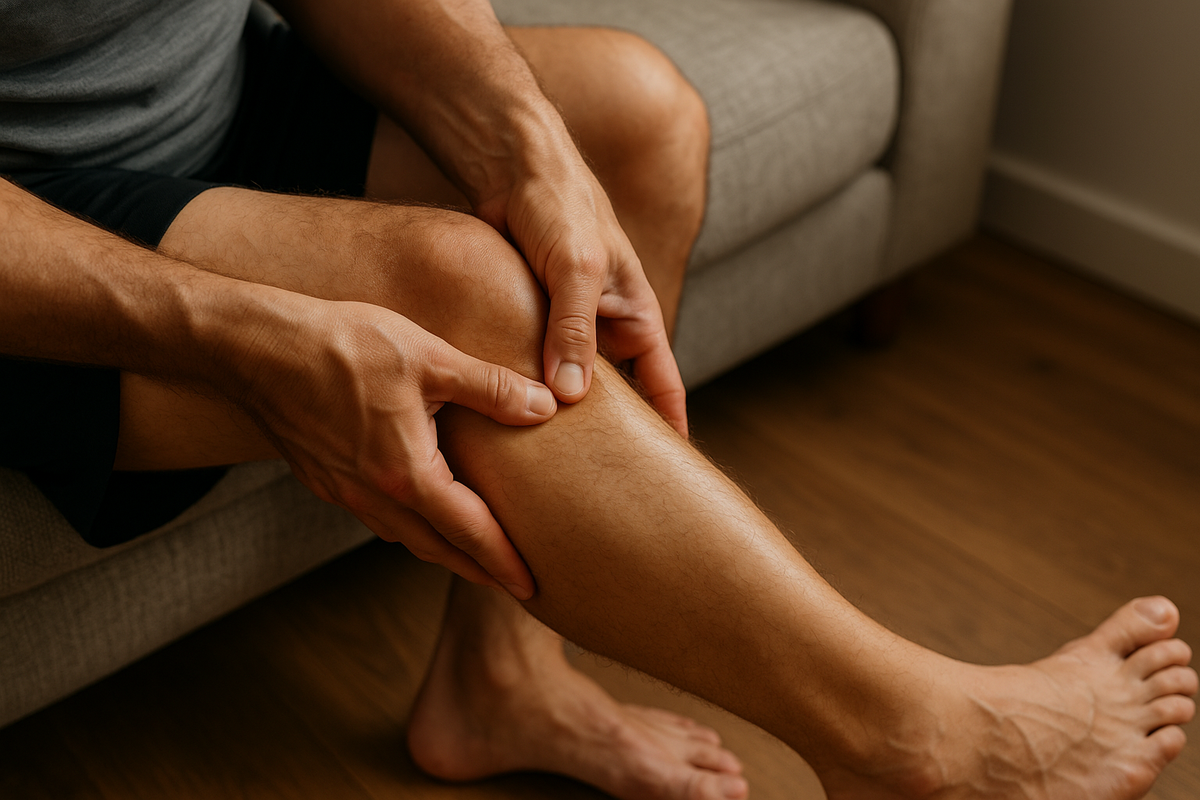
Calf massage means working on the muscles in your calves with different techniques to loosen tension and help you relax. It is not a medical treatment, just a pleasant and relaxing moment in your everyday life. Calf massage often uses gentle pressing and kneading, which can noticeably ease soreness and tiredness.
Here are a few simple techniques you can use for calf massage:
- Gentle circular massage from ankle to knee
- Light kneading of the muscles to loosen tension
- Gently shaking the sore areas to get the blood flowing
These movements can help ease that tight feeling and make your legs feel more comfortable. Many people find that a regular massage at home makes a real difference when life gets busy or their muscles feel overworked. Keeping it simple means you can take a few minutes to listen to your body without leaving the comfort of your home.
Calf massage is easy to learn and easy to fit into your day. With the techniques above, you can ease minor aches and enjoy a sense of calm and well-being that helps keep a natural balance between rest and activity.
How do you know your calves need it?
You may feel soreness, tension or tightness in your lower legs. Some people get cramps or tired calves after exercise, while others notice stiffness building up slowly after long periods of standing or sitting at work. It can feel different from one day to the next, from a sharp discomfort to a duller, heavy, pressing feeling.
How often does it happen in everyday life?
Many people feel their calves need some relief after ordinary daily activities. After a long day on your feet, or after running or cycling, the tension can build up, and many people look for simple ways to feel better straight away. Your calves can also become sore from repeated strain over time, without one clear cause.
What can affect how tense your calves feel
Several things can play a part in how much tension you feel in your calves:
- How much exercise you do, such as running, interval training or long bike rides
- The kind of work you do, especially long periods of standing or sitting
- Your shoes and the surfaces you walk on during the day
- Stress and how well you sleep, which can make muscles more sensitive
- Drinking enough and eating well, which can affect how comfortable your muscles feel
How your calves connect with the rest of your body
Tension in the calves often goes hand in hand with tension elsewhere, such as in the back, neck, shoulders, legs and feet. When one group of muscles is tense, it can change the way you move and cause tension in other places as your body compensates. So sore calves can be part of a wider feeling of aching muscles in the body.
Everyone feels the effect differently
People feel different amounts of relief after a calf massage. Some notice quickly that their legs feel lighter and move more freely, while others feel a more gradual change over several days. Better blood flow and the release of the body's own feel-good substances may play a part. How you notice the effect often depends on the time of day and how tense your muscles were to begin with.
What to notice in your everyday life
During an ordinary day, small patterns can show up that affect how well calf massage works for you over time. Many people notice their calves get stiffer late in the day or after doing the same movement for a long time. Others find that one calf reacts differently from the other, so the tension or soreness is uneven.
Everyday things can also affect how your body responds to massage. Temperature, your sleep pattern and how much you rest your legs during the day can all play a part, and over time they can change how your muscles feel to the touch. Depending on your daily habits, the feeling can range from slight soreness to a heavier ache that spreads further.
Habits and patterns worth knowing about
Your personal habits often affect how your calves react. If you repeat the same movements or put the same strain on your legs again and again, your muscles can get used to a certain level of tension, so changes may only show slowly. Looking after your calves regularly also tends to work differently from doing it now and then, as the body often responds to how often and how consistently you do it.
It is also worth noticing whether you move unevenly. For example, if you favour one leg without realising it, the calf in the other leg can often become more tense. Patterns like this can be hard to spot unless you pay attention to how you move over a period of time.
Changes over the long term
Over months, lots of small strains can change how your calves feel day to day. You may find you need relief more at some times than others, or that the amount of massage that feels pleasant changes. Family and work routines often play a part in this, and the effect of a single massage may be short-lived rather than lasting.
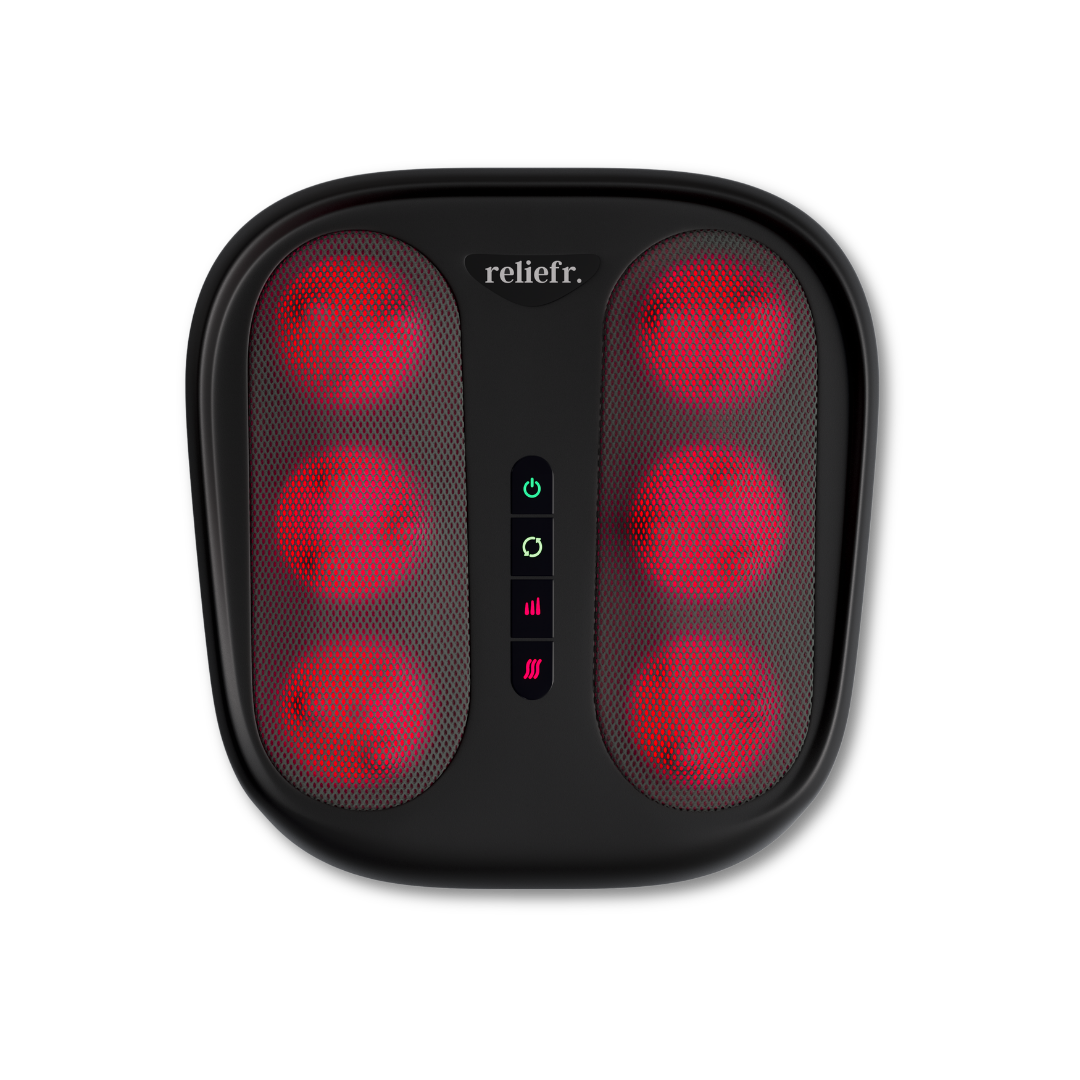
If you would like to look at products for calf massage, you can find them in our shop at https://reliefr.com/collections/leg-massage or browse our other products at https://reliefr.com/collections/massage.
Frequently asked questions
How can I give myself a good calf massage at home?
Many people look for simple ways to massage themselves. In general, use a pressure that feels right for you and pay attention to how your muscles feel before and after. Trying different techniques and how often you massage means the experience can vary from person to person.
Which tools can make calf massage easier?
Different tools change how the pressure is spread and how much of the muscle they touch. Some people prefer softer surfaces, others use firmer rollers. The tool you choose affects how the pressure and movement feel, so it largely comes down to personal preference.
How long does the effect of a single massage usually last?
For some people the effect of a single massage is short-lived, for others it lasts longer. It depends on how much strain your legs are under each day and on how your muscles respond, and the relief you feel can vary from one time to the next.
When should I change how I look after my calves?
People often think about changing their routine when their calves start to feel different day to day, or when what they usually do no longer helps as much. This often depends on how long and what kind of strain their legs are under every day.
.